Engagement rings have long been associated with diamonds. For generations, mined stones have symbolised permanence, rarity and tradition. But in recent years, another option has become increasingly visible: lab-grown diamonds. Created using advanced technology rather than extracted from the earth, they offer a modern alternative while retaining the beauty people associate with diamonds. This naturally raises a question: are lab grown diamonds actually real diamonds? In short, yes. Lab-grown diamonds are real diamonds in every meaningful sense. They share the same physical, chemical and optical properties as mined diamonds, and display the same fire, brilliance and durability. The only true difference lies in where they originate.
Identical in Structure and Appearance
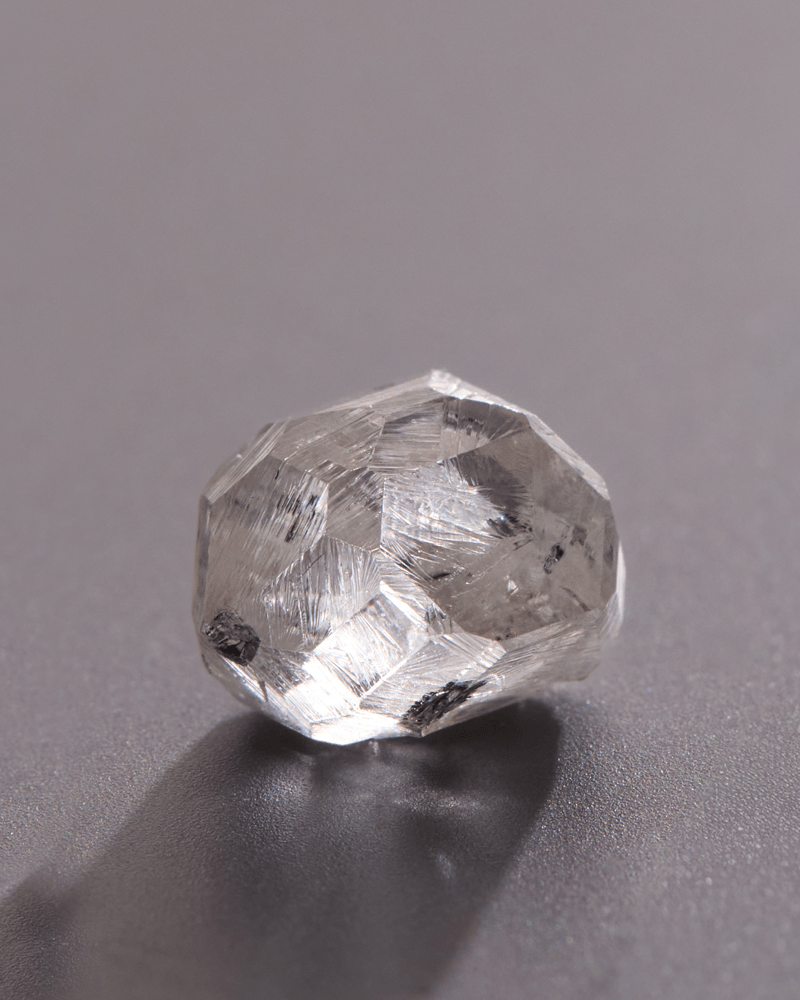
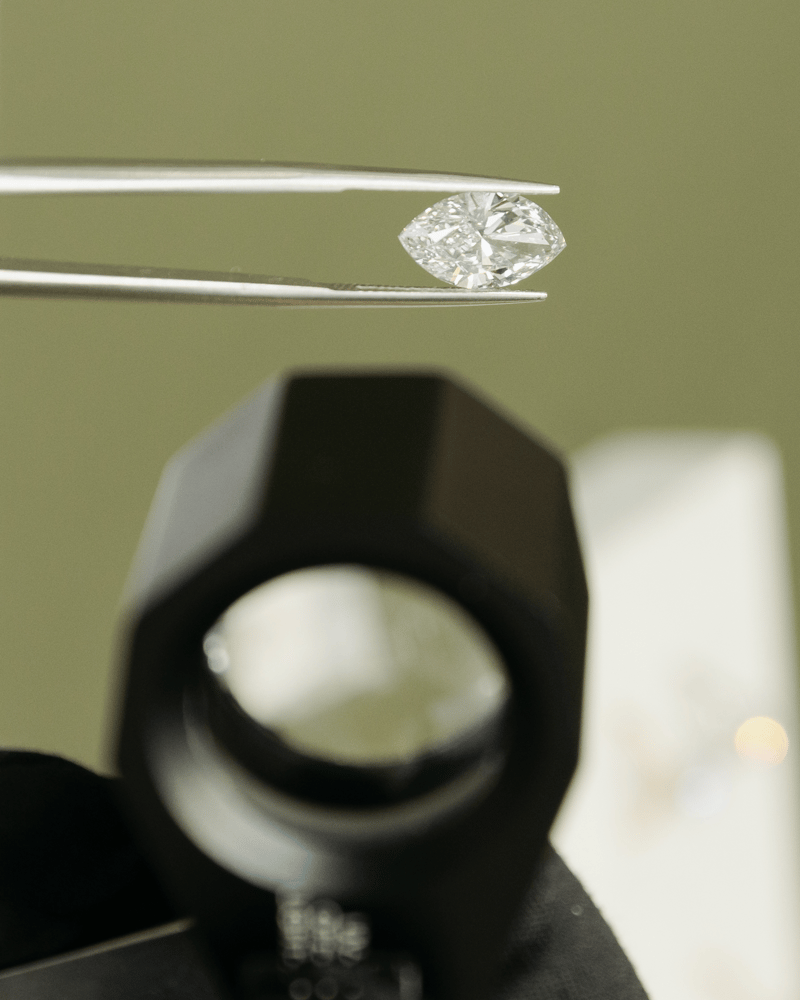
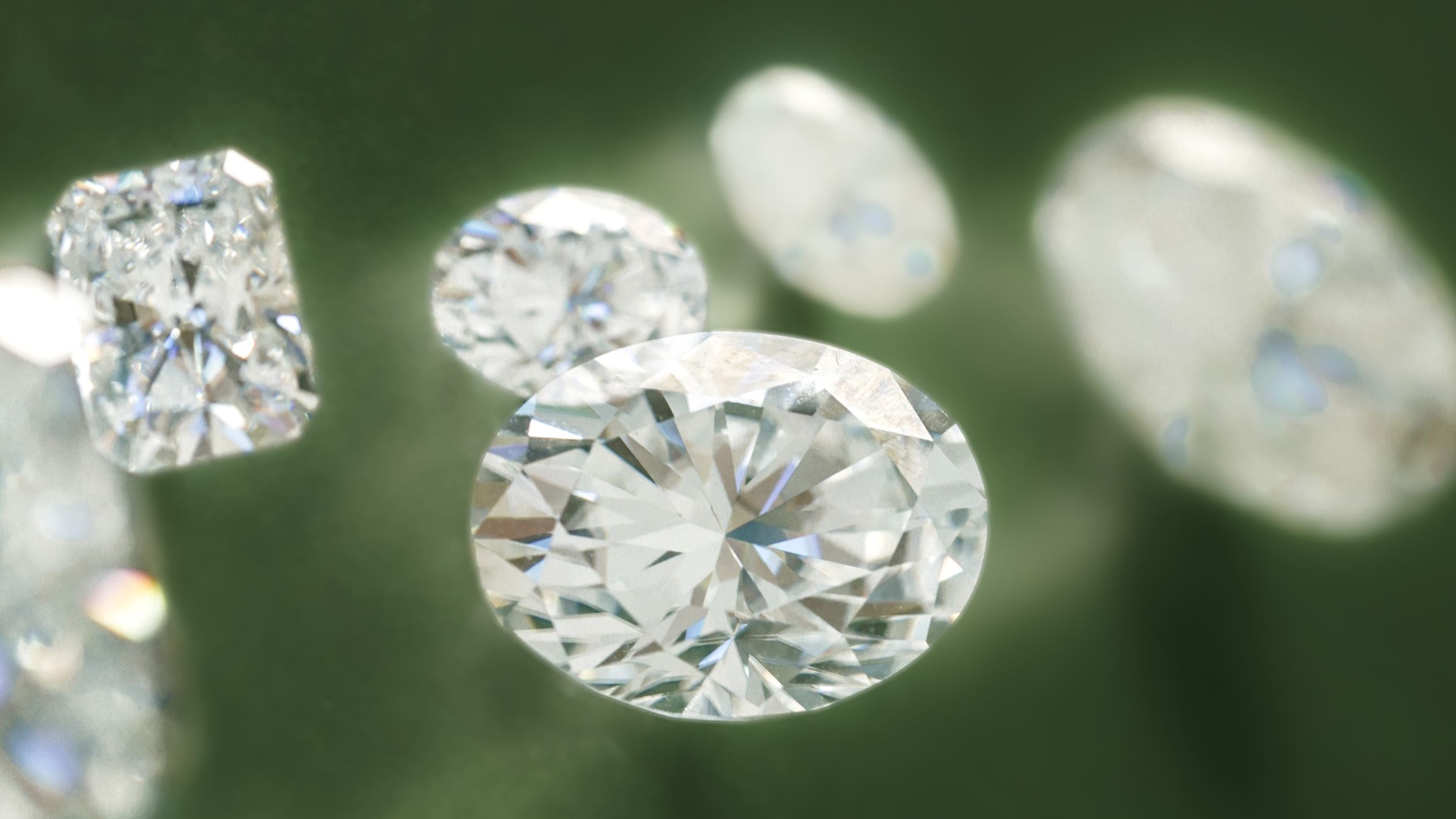
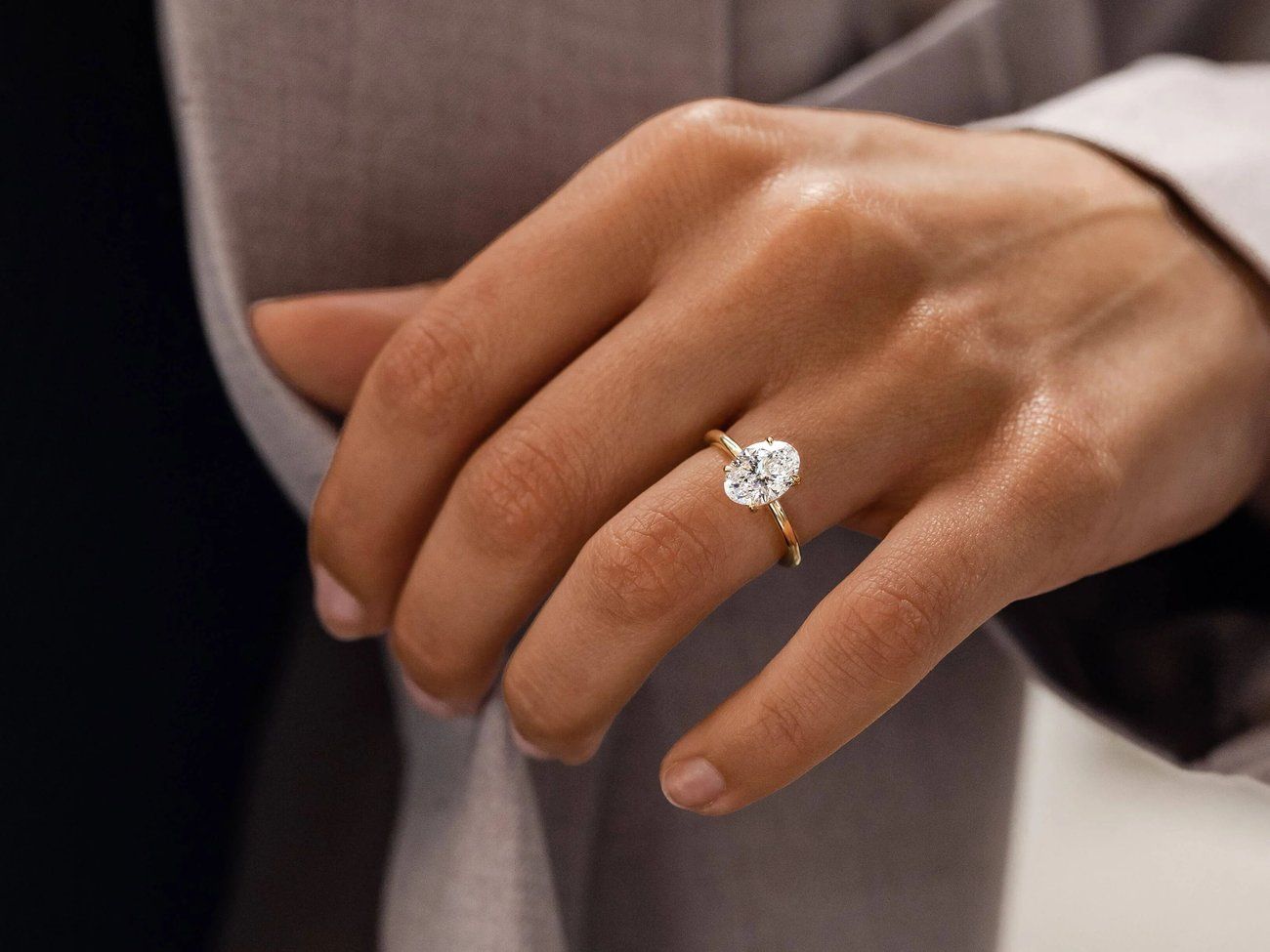
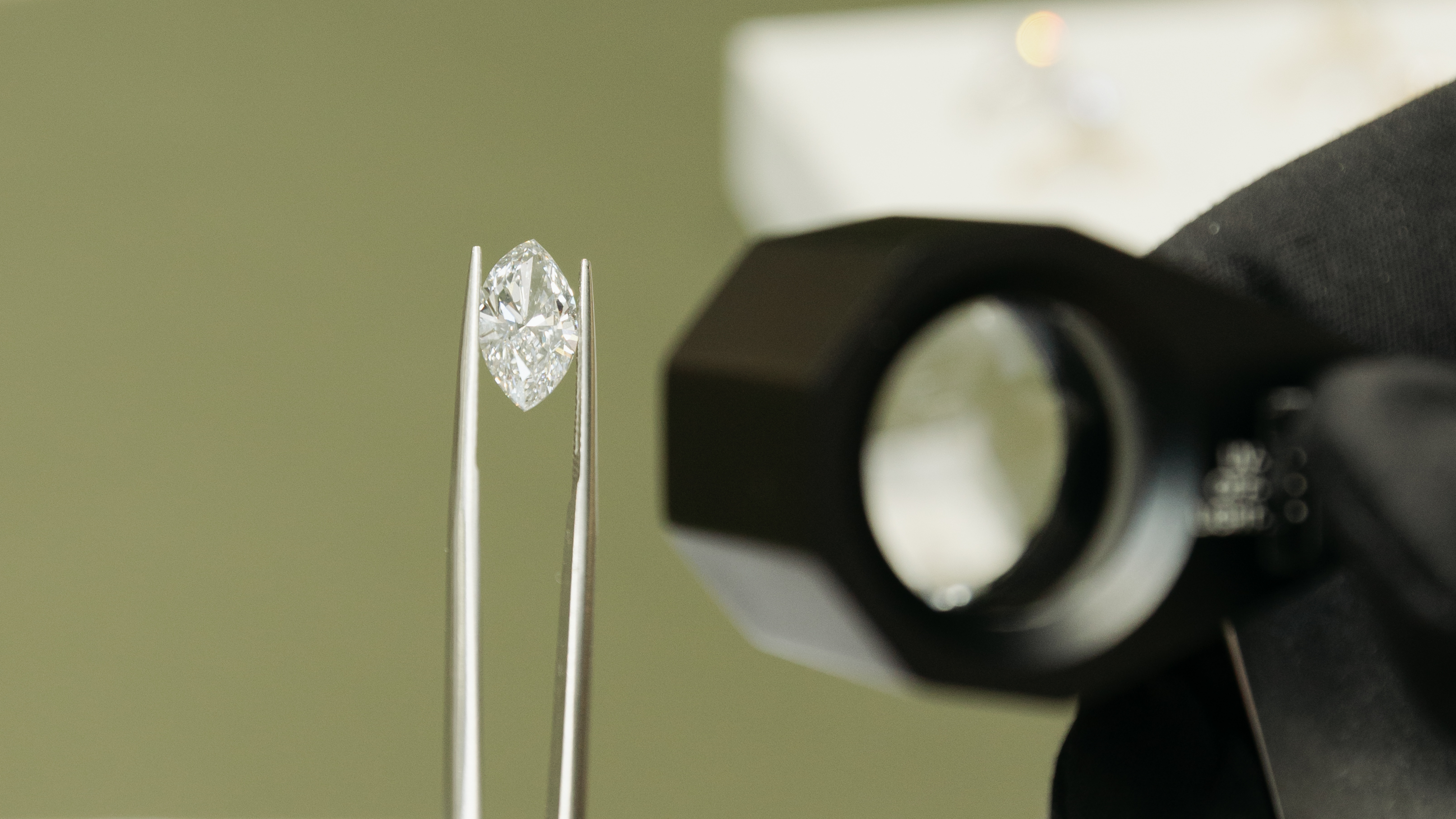
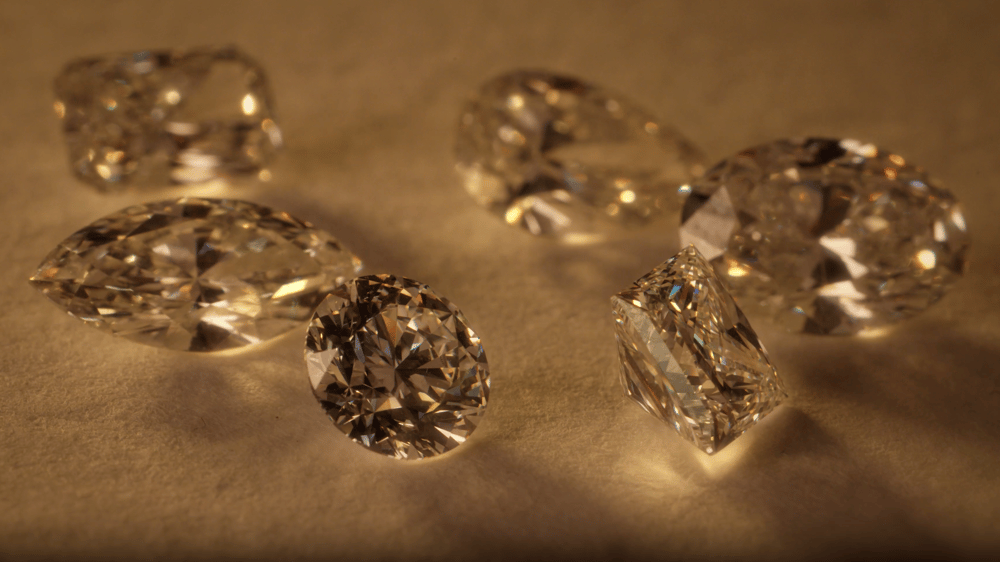
At the atomic level, both mined and lab grown diamonds are formed from carbon atoms arranged in the same crystal structure. This structure is what gives diamonds their extraordinary hardness, making them one of the most durable materials used in jewellery. Because of this identical composition, lab grown diamonds look and perform the same as mined diamonds. To the naked eye, they are indistinguishable. Even under magnification, the differences are extremely subtle and typically identifiable only by specialised gemological equipment. This means a lab grown diamond engagement ring offers the same brilliance, sparkle and resilience as a mined diamond ring. One of the great things about diamond engagement rings or diamond wedding rings, aside from their beauty, is that they last. Diamond is one of the strongest materials on Earth. This is true whether your diamond engagement ring or wedding ring includes lab grown or mined stones.
Certified and Graded to the Same Standards
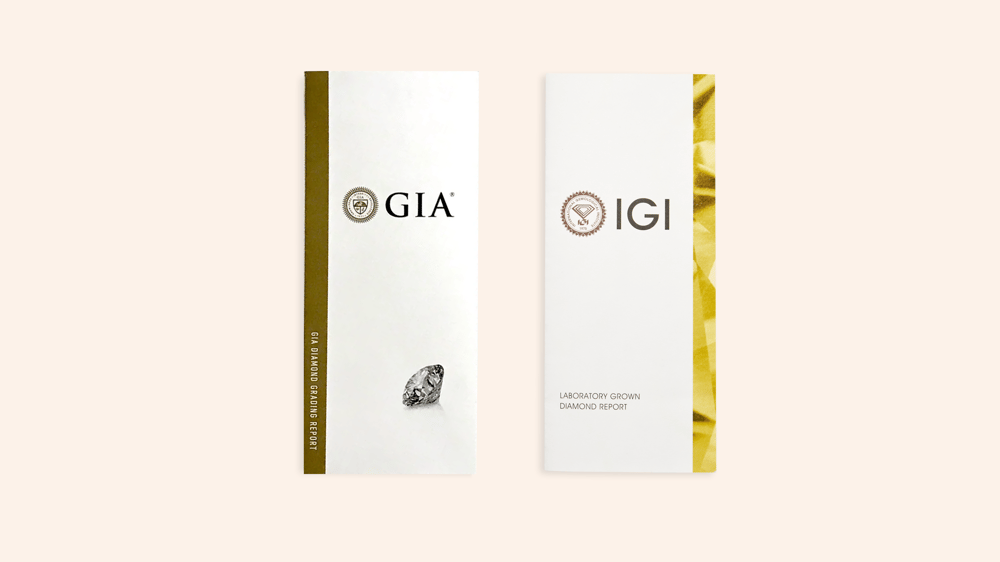
Lab-grown diamonds and mined diamonds are certified using universal scales by GIA (Gemological Institute of America) and IGI (International Gemological Institute). Diamond certificates will give an assessment based on appearance, quality, and authenticity. Lab diamonds are certified by the IGI using the 4Cs, which are colour cut clarity and carat. For both lab created diamonds and mined diamonds, variation in clarity and colour is natural. Diamond can sometimes have a faint yellow-brown tint due to the presence of specific trace elements when it was formed. Diamonds created in a lab can still be exposed to these trace elements, but in this highly controlled environment, it's much less common. Therefore, lab diamonds usually have a better colour grade.
Why Lab Grown Diamonds Cost Less
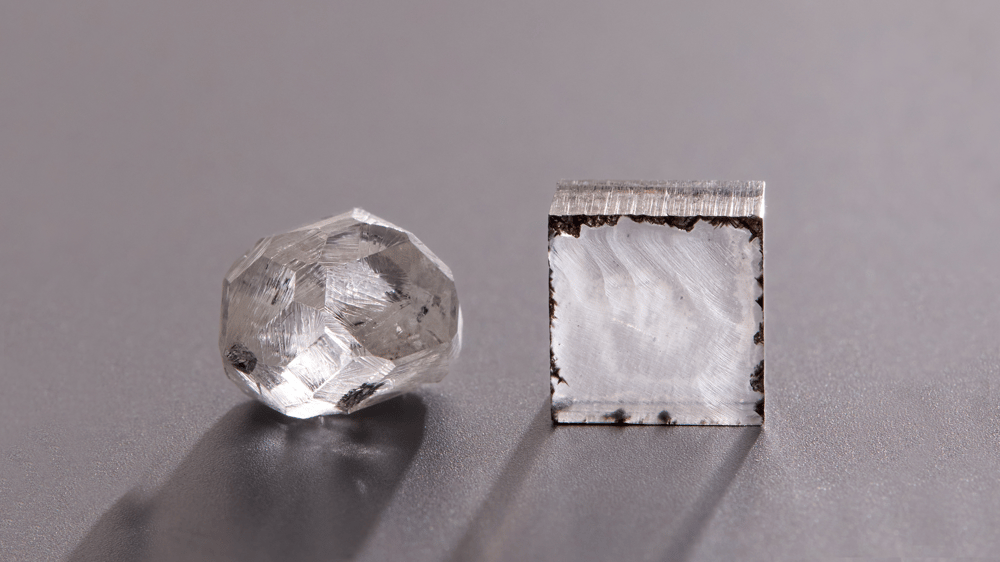
If lab grown diamonds are identical in composition and appearance, it is natural to wonder why they are often priced differently. The answer lies in how they are produced. Mined diamonds are formed deep within the Earth over billions of years and must be extracted through large-scale mining operations. This process requires extensive infrastructure, labour and transportation. Lab-grown diamonds follow the same fundamental growth process, but in a controlled environment. Using technologies such as High Pressure High Temperature (HPHT) or Chemical Vapour Deposition (CVD), scientists recreate the conditions required for carbon to crystallise into diamond. Without the costs associated with mining and global supply chains, lab grown diamonds can be produced more efficiently. This allows them to be offered at a more accessible price point while maintaining the same material properties.
Common Terms Used for Diamonds
The terms used to describe diamonds can be misleading. So we're breaking them down.
Synthetic Diamonds
Synthetic is sometimes used synonymously with lab grown. However, synthetic connotes artificial. Growing a plant in a terrarium doesn't make it less natural. Diamonds grown in labs or in the Earth's mantle are physically identical — none is more 'synthetic' than the other.
Earth Diamonds
'Earth diamonds' is typically used to describe mined diamonds. But to be clear — this is because they're mined from the Earth. They're not pro-Earth. In terms of Earth-friendly — lab grown diamonds take the cake.
Engineered Diamonds
'Engineered' refers to the way diamonds are created in labs. We find this to be not an ideal term, as it can suggest something synthetic or imitation, rather than a real diamond grown using advanced technology in laboratories.
Mine Free Diamonds
This term describes how lab grown diamonds are not just different — but a better alternative to mined diamonds. Mine free diamonds and mined diamonds have the same physical and chemical properties, so the main advantage of lab grown diamonds is that they are more sustainable because they aren’t mined. They're also more affordable because they don't come with all the additional costs of running an overseas diamond mine and extracting gemstones from the Earth's mantle.
Cultured Diamonds
Cultured diamonds doesn’t mean the diamonds go to the opera. But it does mean they were created in a lab. To culture something means to create the right conditions for it to grow.
Manufactured Diamonds
Manufactured diamonds are made — in other words, lab created. But when we think of manufacturing, we think of production lines. After the almost magical growth process, each diamond comes out unique — not cookie-cutter.
Man Made Diamonds
Man made diamonds assumes only a certain kind of person is making lab grown diamonds! We prefer to call them human-made.
Natural Diamonds
Really, mined or 'natural' diamonds are no more natural diamonds than lab grown diamonds are. The diamond growth phase for lab diamonds is, on the atomic level, identical to the growth process for their so-called 'natural' counterparts.
A Modern Approach to Engagement Rings
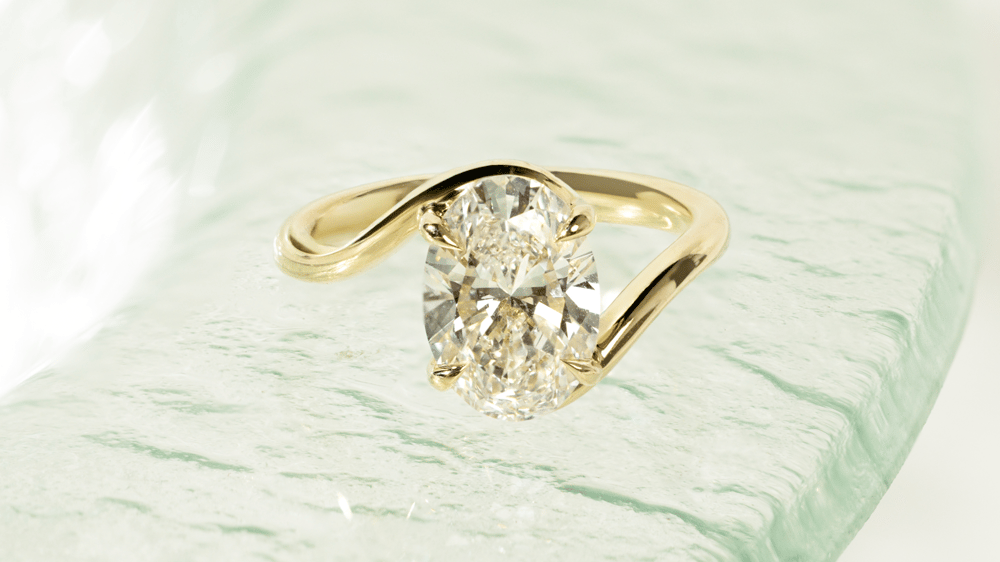
For many couples, lab grown diamonds represent a natural evolution in engagement rings. They offer the beauty and durability that diamonds have always been known for, while giving buyers more flexibility when designing their ring. In many cases, choosing a lab grown diamond allows for a larger centre stone or a more intricate design within the same budget. Ultimately, the meaning of an engagement ring remains the same. It marks a moment of commitment and shared future. The difference today is that couples have more ways than ever to choose a diamond that reflects their values, preferences and personal style.