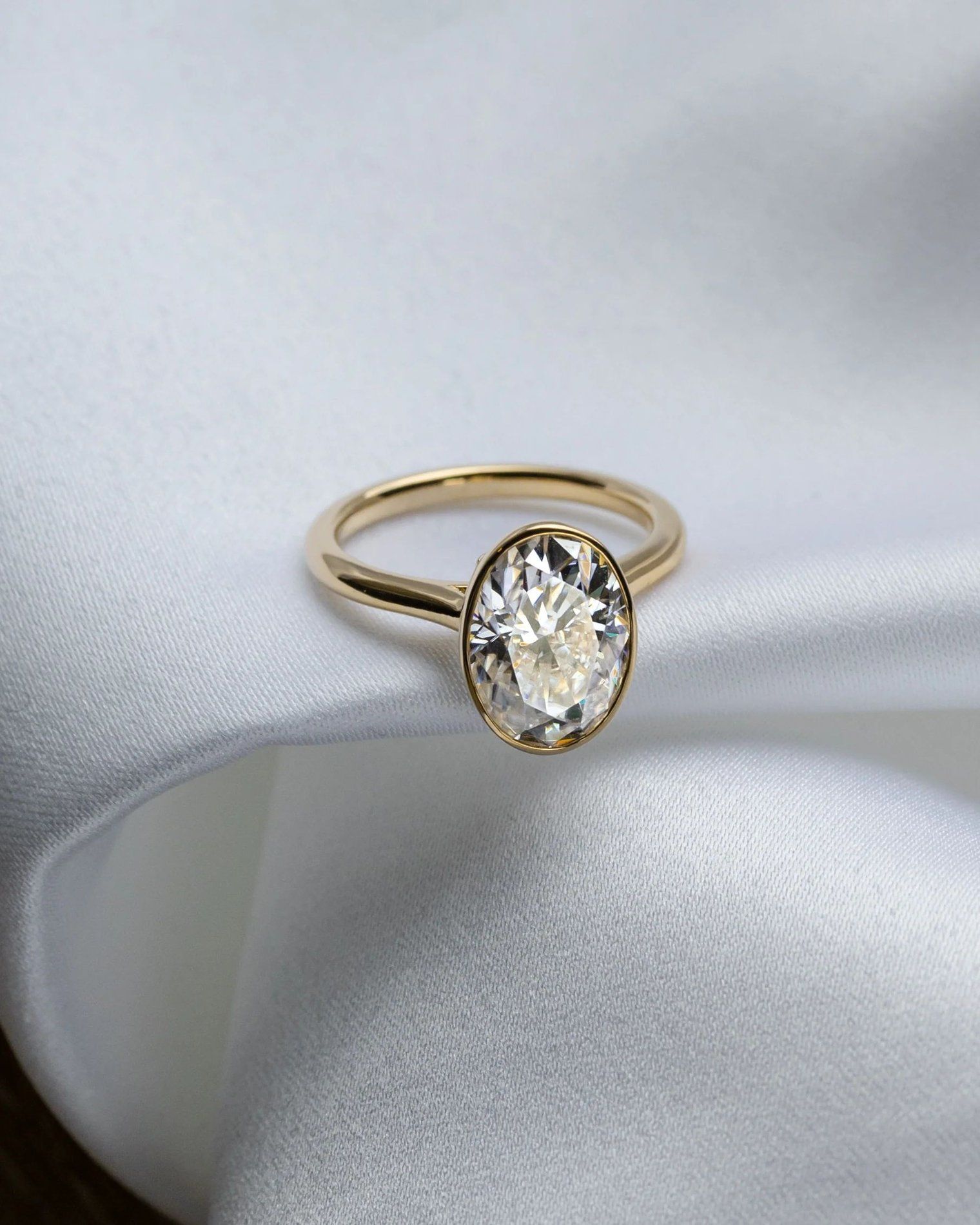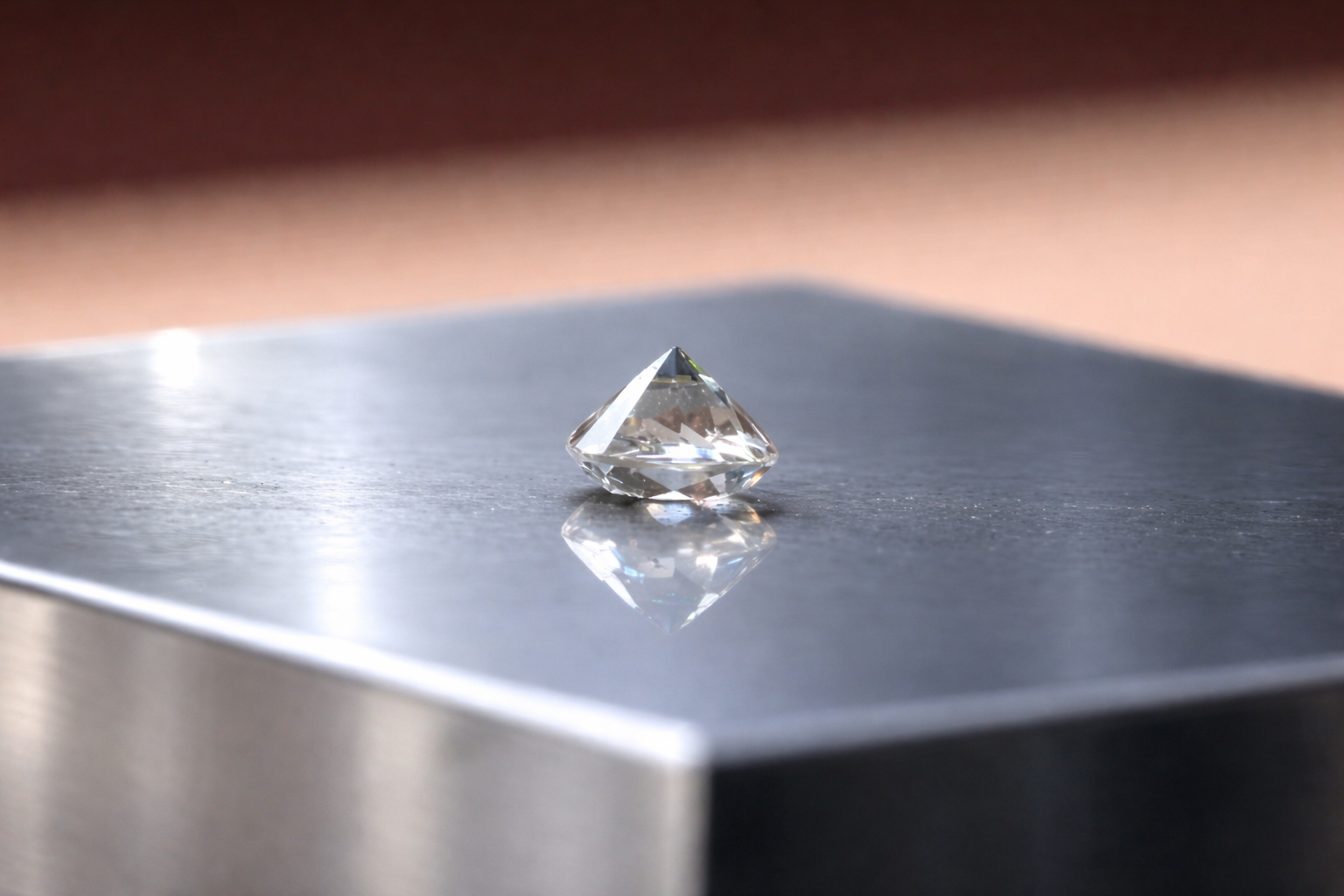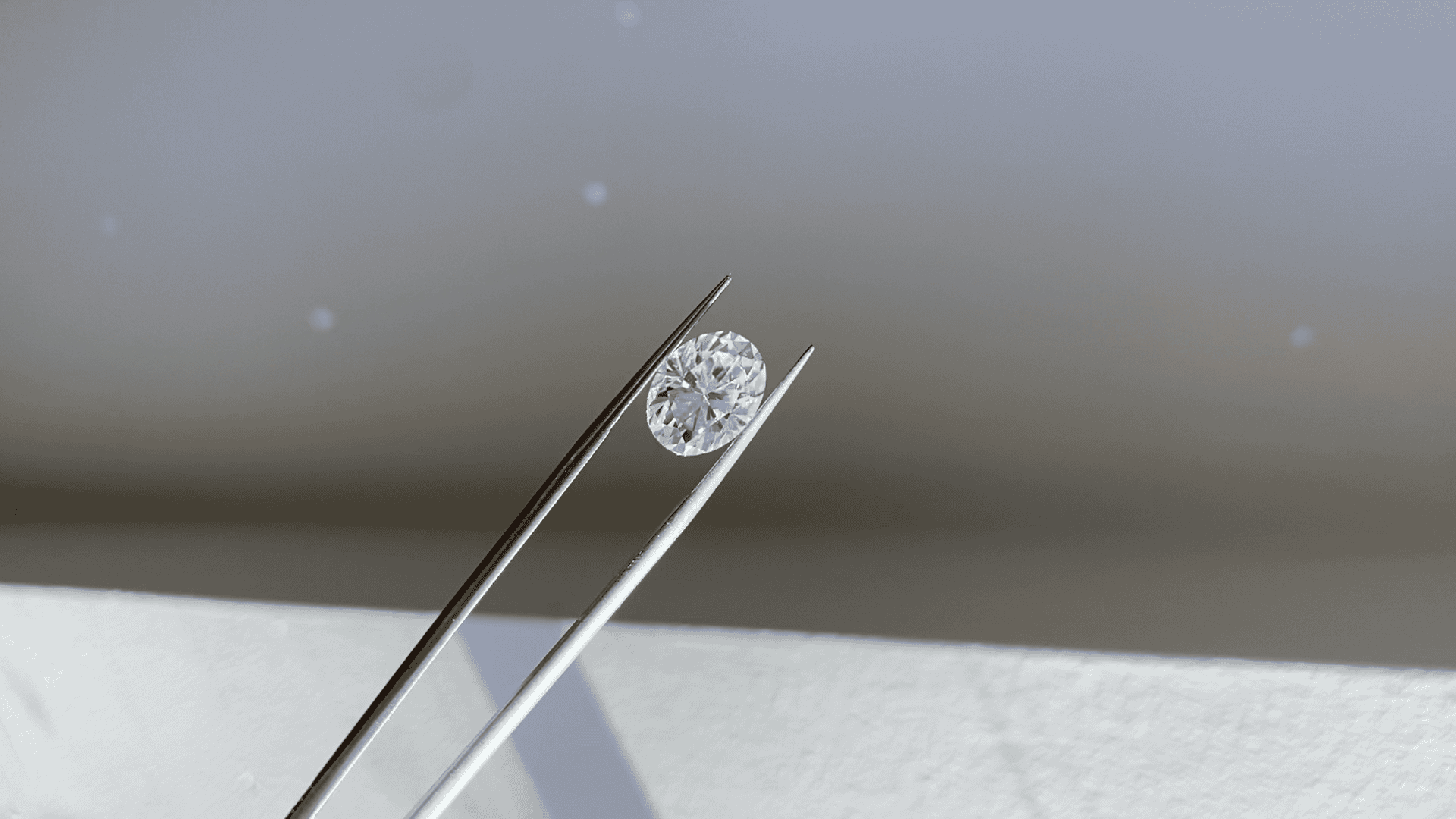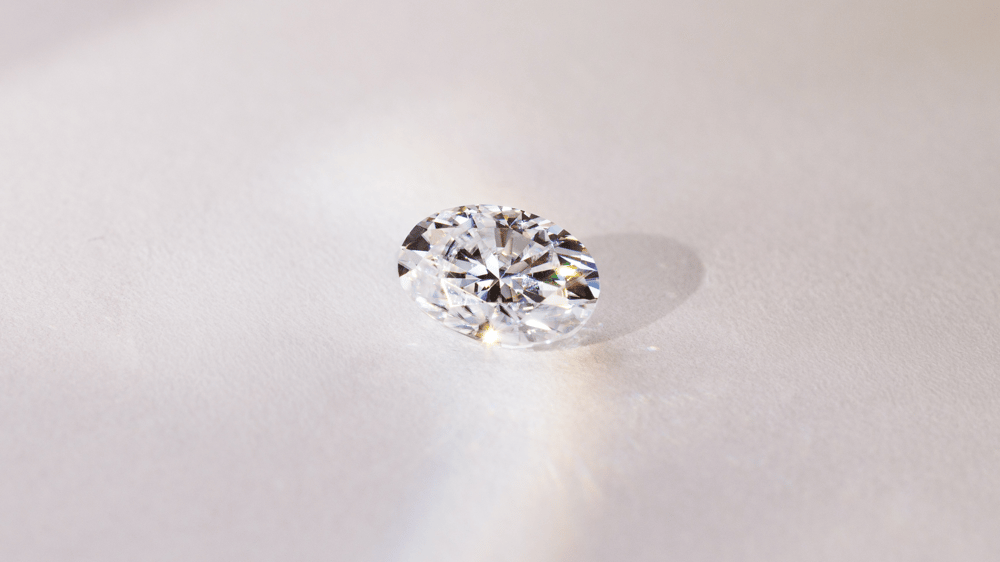
If you’ve been researching moissanite, you’ve likely noticed just how much interest it’s receiving lately. Known for its bright, lively appearance, moissanite is a lab grown gemstone that suits everyday wear beautifully. Still, it’s natural to wonder how that sparkle holds up over time. Below, we explore what creates sparkle, how moissanite wears over the years, and what helps any gemstone maintain its beauty for the long term.
What is Sparkle?
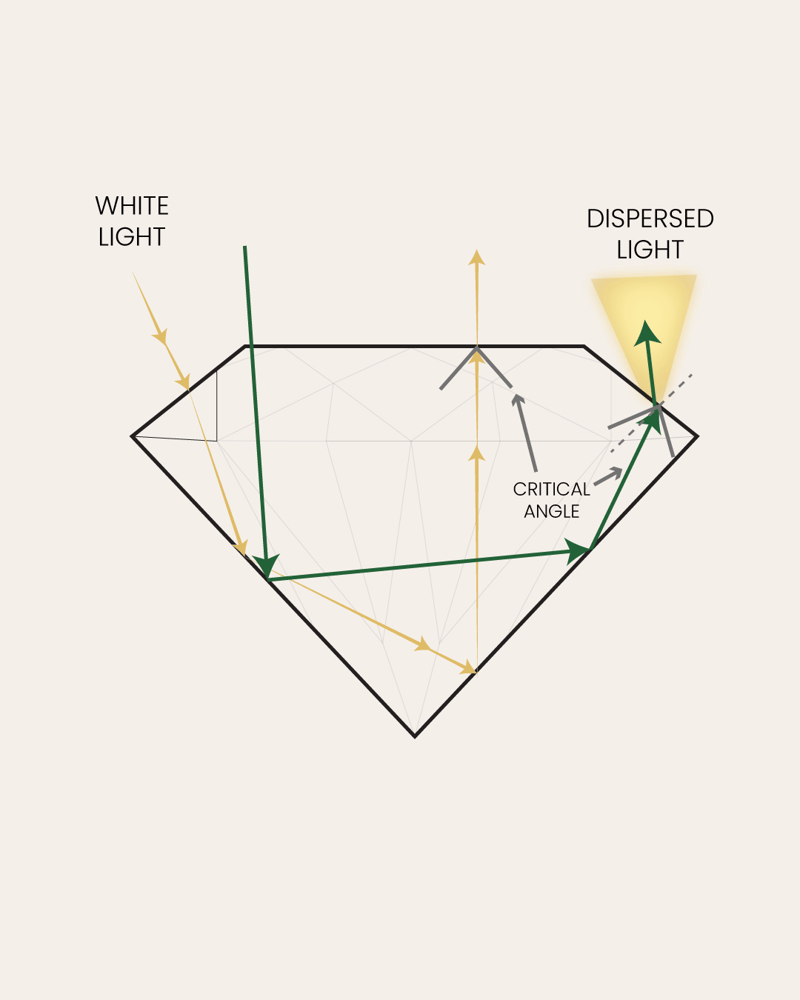
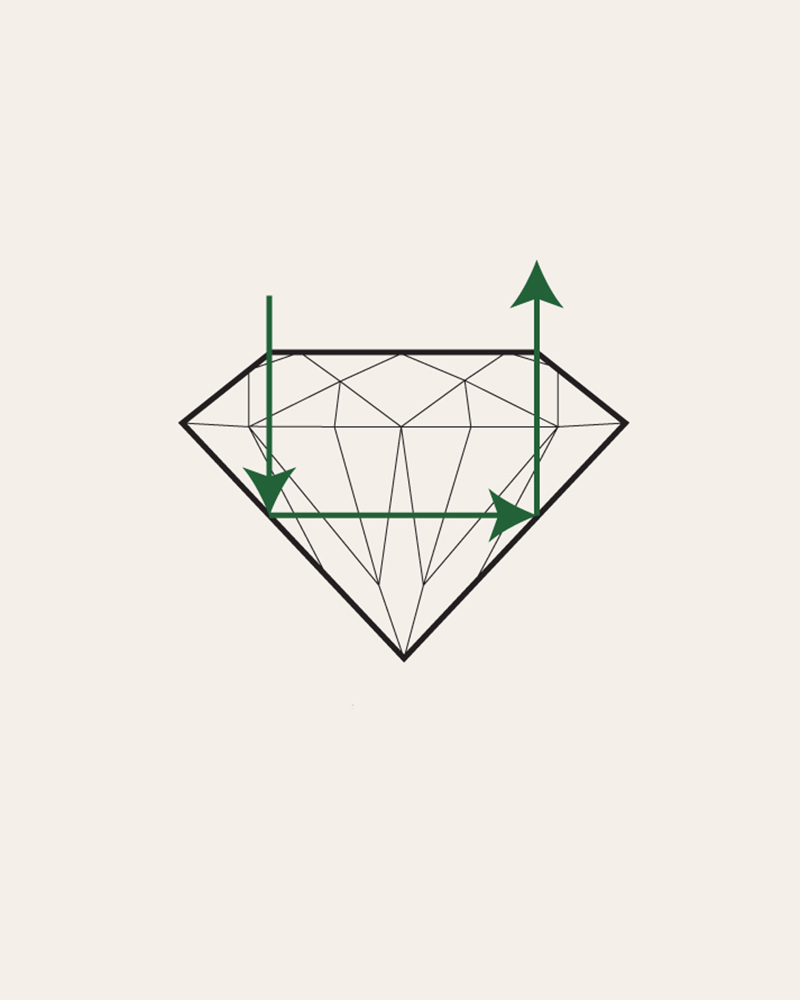
Before we begin, it helps to understand what “sparkle” actually means. When white light enters a gemstone, it travels through the stone and interacts with its facets before returning to the eye. Some of that light separates into colourful flashes, creating an effect known as fire. Gemstones that display this effect are often described as fiery, and many gemstones show it to some degree, including diamonds. Moissanite is especially well known for its vivid fire, which gives it a distinctive visual character. That said, fire is only one part of a gemstone’s sparkle. Brilliance and scintillation also play an important role. Brilliance refers to the bright white light reflected back from the gemstone, while scintillation describes the flashes of light and contrast you see as the stone moves. Together, these qualities create the dynamic, light-filled appearance people often describe as sparkle.
Moissanite Vs. Diamond
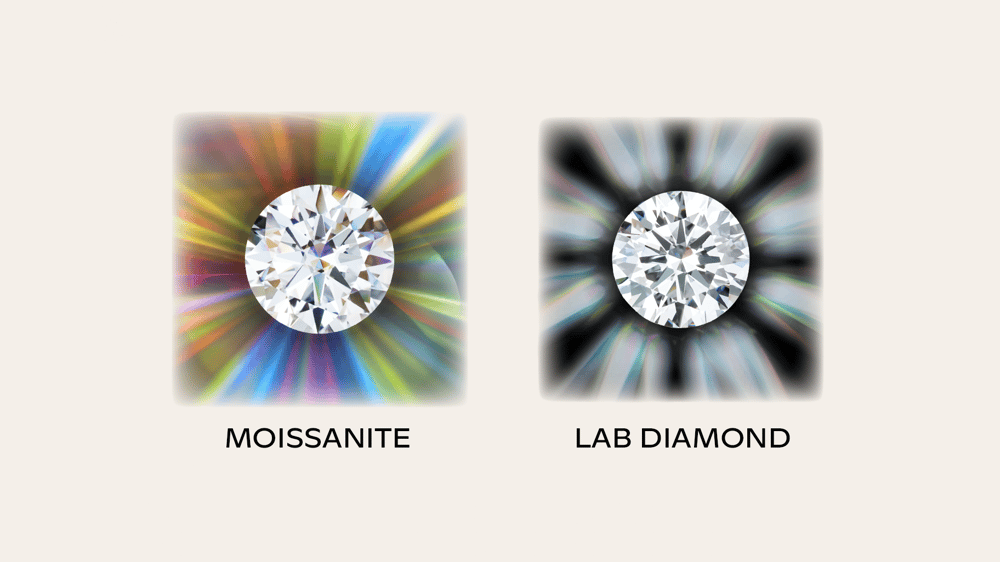
Moissanite and diamonds can both appear beautifully bright, but they interact with light in slightly different ways. Moissanite is often recognised for its fiery look, with more noticeable colourful flashes in certain lighting. Diamonds are typically known for a more classic balance of bright white light and crisp scintillation. Neither is inherently better than the other, they simply offer different visual personalities. If you’re deciding between moissanite and a lab grown diamond, the most helpful approach is often to focus on which style of sparkle feels most appealing to you in real-life lighting. Seeing the two side by side, or viewing them in video across different conditions, can make the difference much easier to understand.
So Does Moissanite Lose It’s Sparkle?
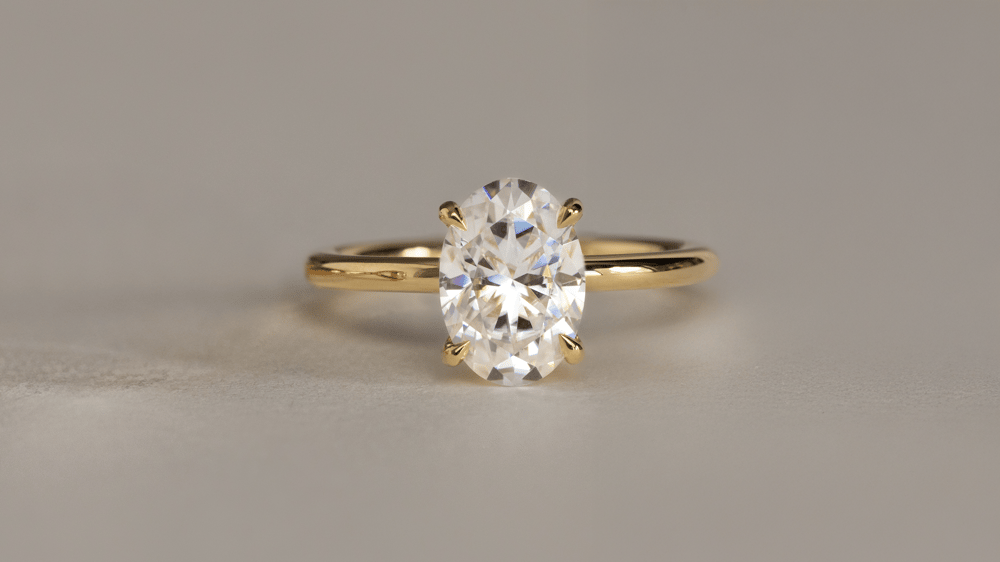
Moissanite does not naturally become cloudy or lose sparkle over time. What is often perceived as “cloudiness” is usually surface build-up from everyday wear, such as hand cream, soap, oils, or dust. This can affect the appearance of any gemstone, including both moissanite and diamonds. Moissanite is also a highly durable gemstone, rating around 9.25 to 9.5 on the Mohs hardness scale, while diamonds sit at 10. Hardness refers to scratch resistance, which is one of the reasons moissanite is so well suited to everyday wear. With regular cleaning, moissanite can maintain its crisp, bright appearance for many years. A simple clean at home using warm water, mild soap, and a soft toothbrush is usually enough to restore its fresh sparkle.
The Impact of Surface Damage on Sparkle
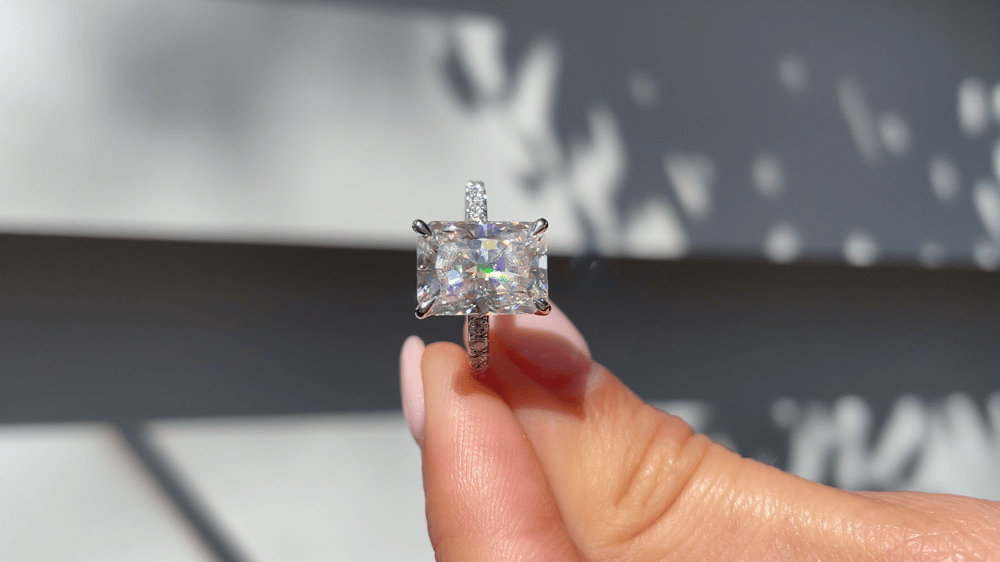
Any gemstone can lose some visual sharpness if its surface becomes scratched or worn, as fine marks can interrupt the way light moves through the stone. The good news is that moissanite’s hardness makes it highly resistant to scratching in normal day-to-day wear. Even so, it’s still worth treating your ring with the same care you would give any fine jewellery. Avoid knocking it against hard surfaces where possible, remove it during heavy lifting or hands-on tasks, and store jewellery separately so pieces do not rub against one another.
Moissanite is a durable, distinctive gemstone that can retain its beauty for the long term. Its hardness, bright appearance, and fiery sparkle make it a compelling choice for everyday wear. While all fine jewellery benefits from proper care, regular cleaning and mindful wear will help preserve its brilliance for years to come. Chosen for its own unique character, moissanite can be a beautiful forever piece to enjoy for generations. If you have any questions, please feel free to contact us.