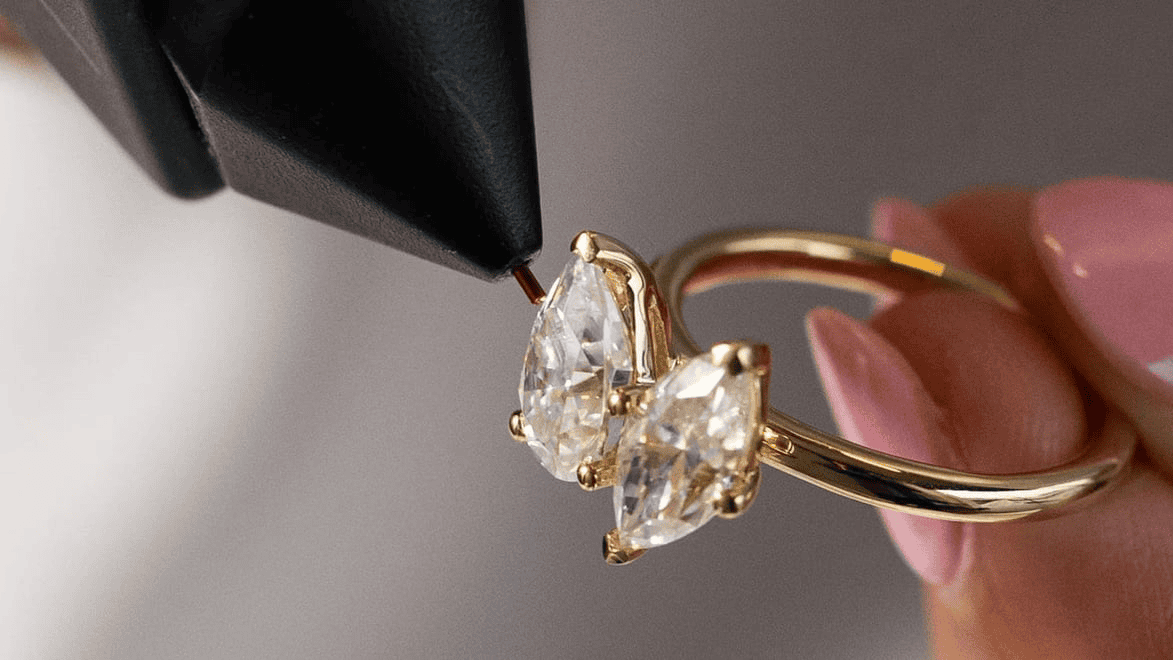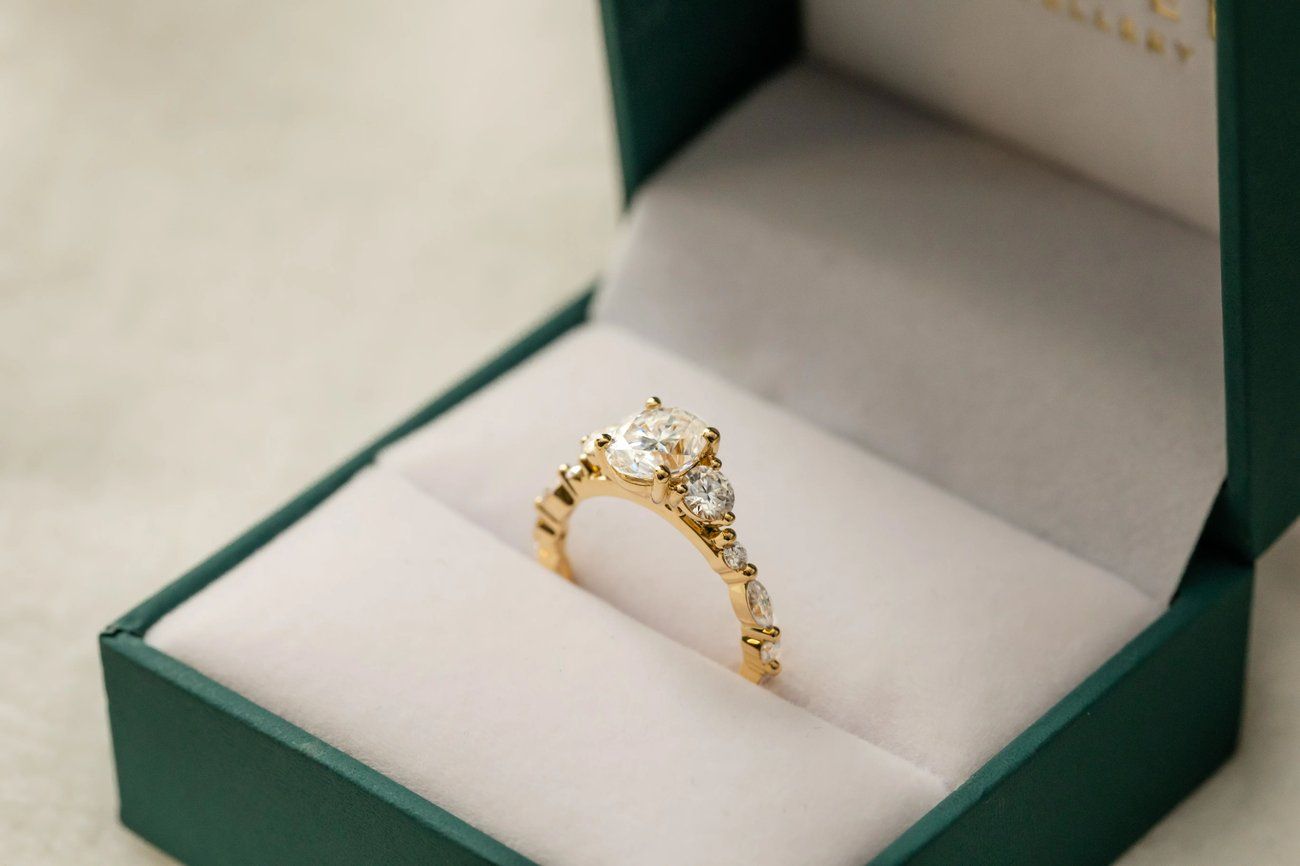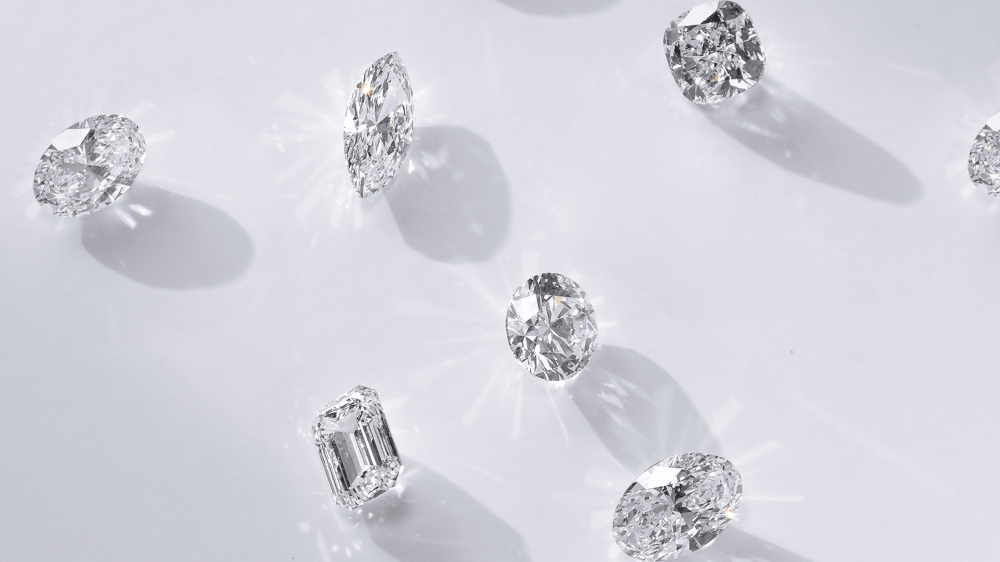
The question is more common than you’d think – and understandable. When a gemstone looks remarkably similar to a diamond, it’s easy to assume it must be an imitation. But moissanite isn’t a “fake” diamond at all. It’s a distinct gemstone with its own structure, its own way of handling light, and its own place in modern jewellery.
In recent years, as couples look for stones that express personal values and contemporary taste, moissanite has found renewed relevance – not as a stand-in, but as a considered choice.
A Gemstone With Its Own Identity
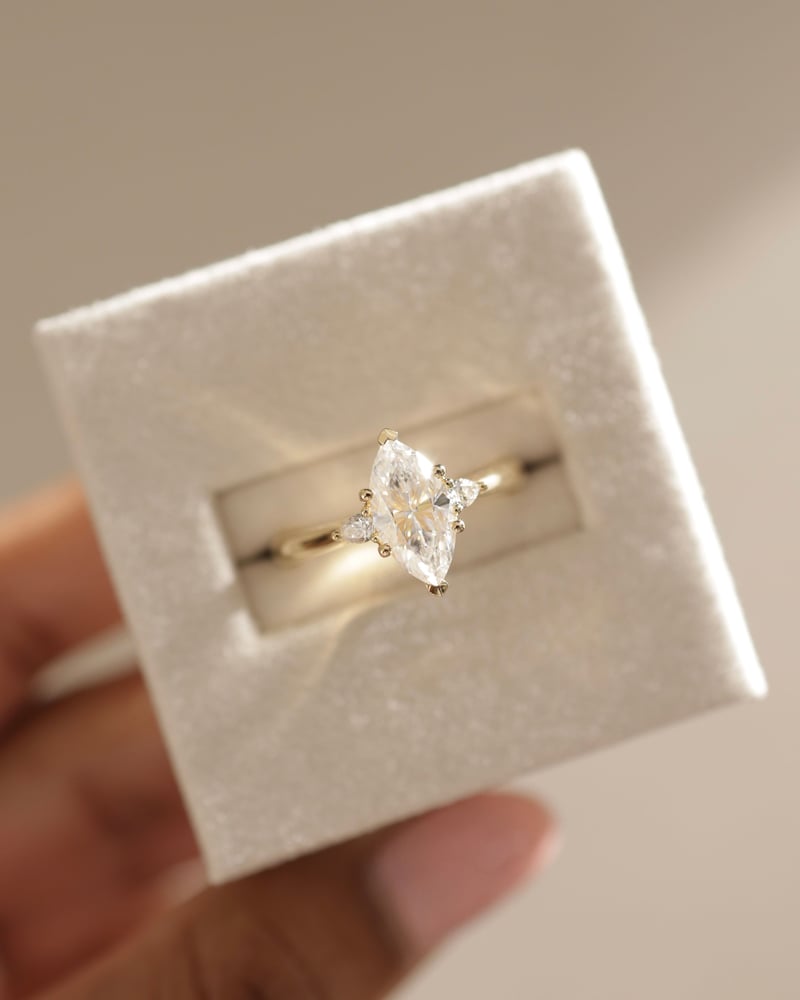
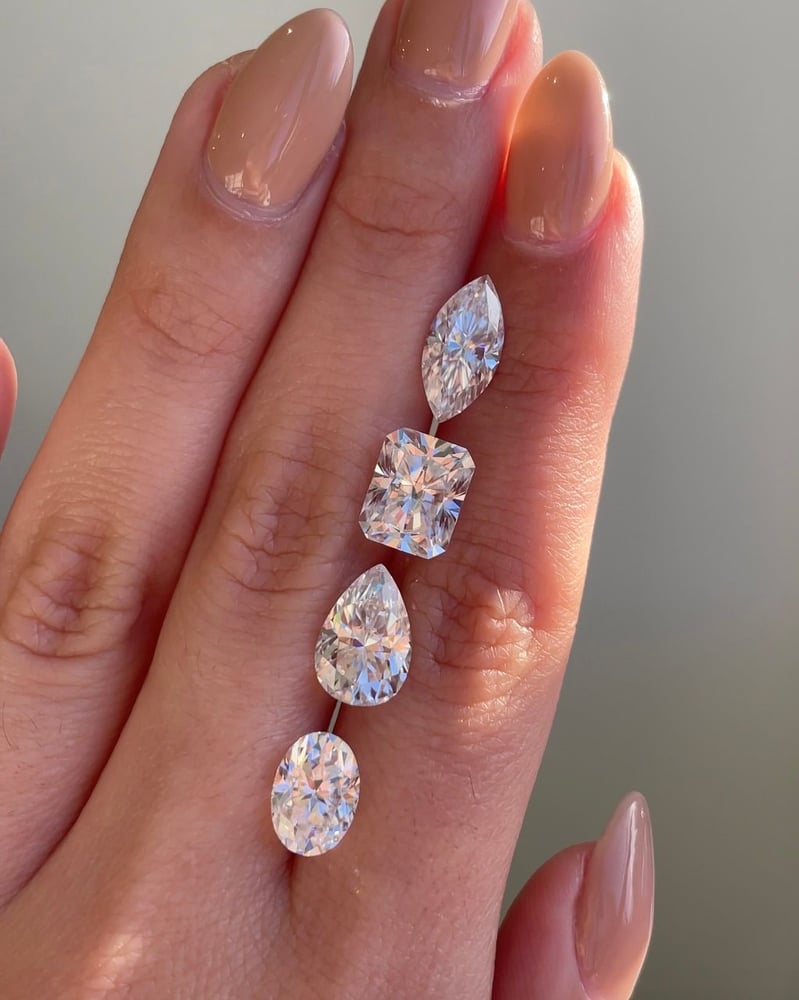
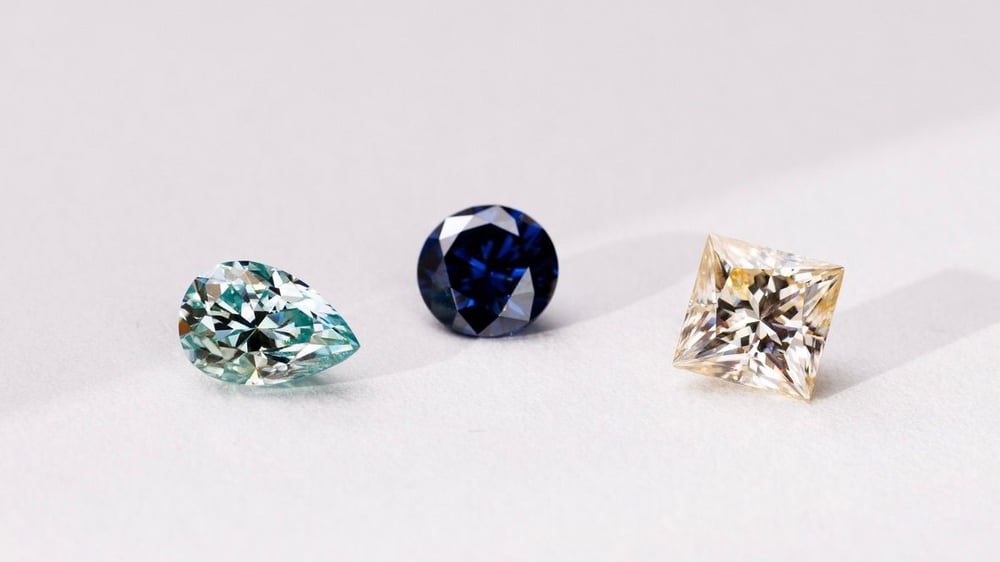
Moissanite was first discovered in a meteor crater in the late 1800s – an origin that sets the tone for the stone’s otherworldly brilliance. Unlike diamonds, which are made of carbon, moissanite is composed of silicon carbide. This difference shapes everything: hardness, fire, brilliance, and overall personality. To the eye, moissanite can resemble a diamond, especially in colour and clarity. But its sparkle tells a slightly different story. Moissanite disperses more rainbow-coloured light – a prismatic fire that feels modern and expressive, compared to the crisp, tonal brilliance of a diamond. For many, that distinction is what makes it interesting.
If It’s Not a Fake Diamond, What is It?

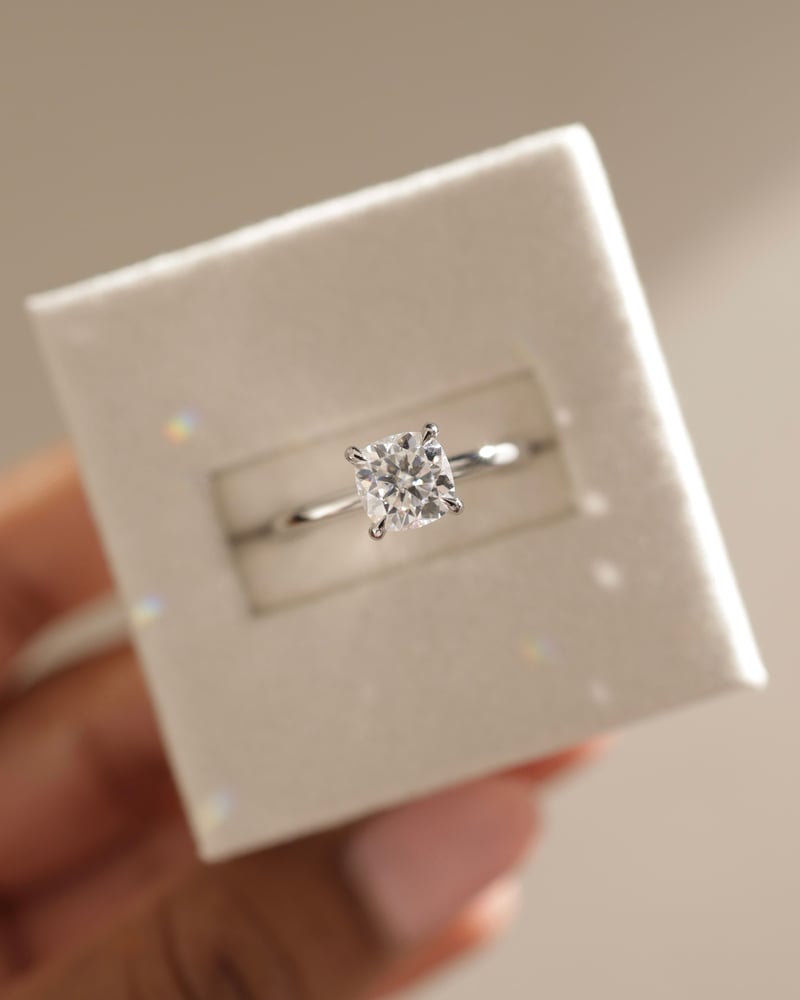
Moissanite sits in the same category of legitimacy as sapphires, emeralds, or rubies: gemstones with unique chemical compositions, optical properties and histories. It is not designed to imitate; it simply happens to share a familiar aesthetic profile. This sets it apart from faux diamonds such as cubic zirconia. CZ is affordable and accessible, but it lacks durability. Over time, scratches accumulate, clarity diminishes, and the surface becomes cloudy — a natural outcome of its softer structure. Moissanite is different. With a hardness rating of 9.25–9.5 on the Mohs scale, it is one of the most resilient gemstones used in fine jewellery. It resists daily wear, maintains its polish, and retains its brilliance over decades of use. In practicality, it behaves like an heirloom stone because it is one.
Aesthetically Similar – Structurally Distinct
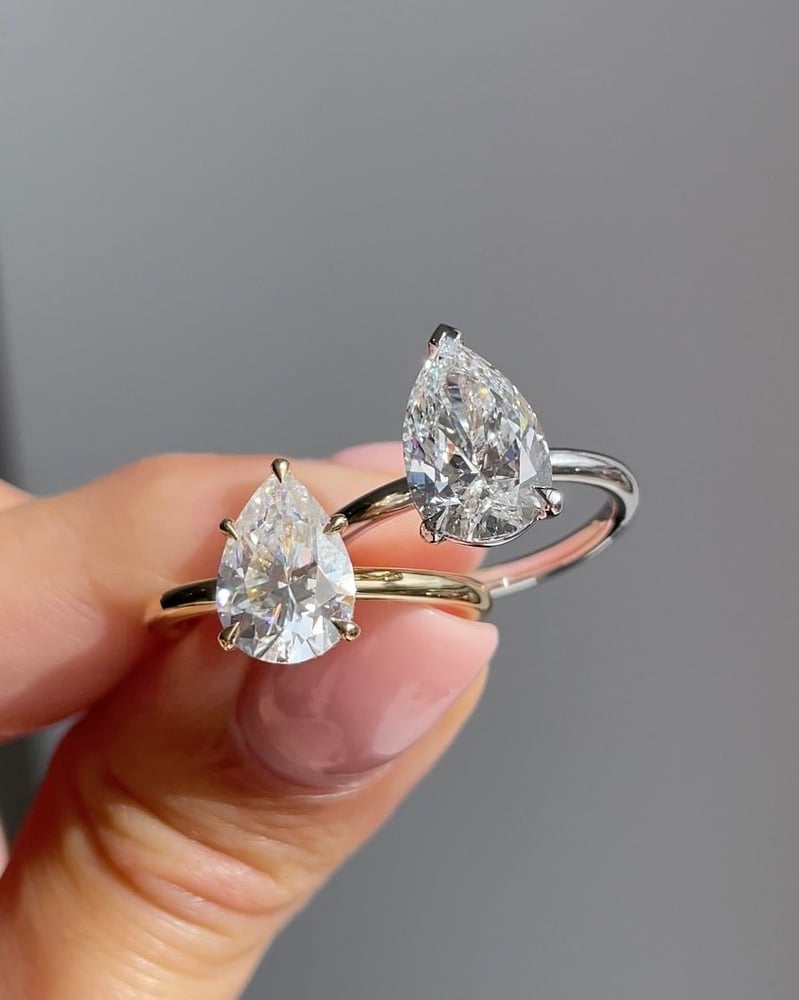
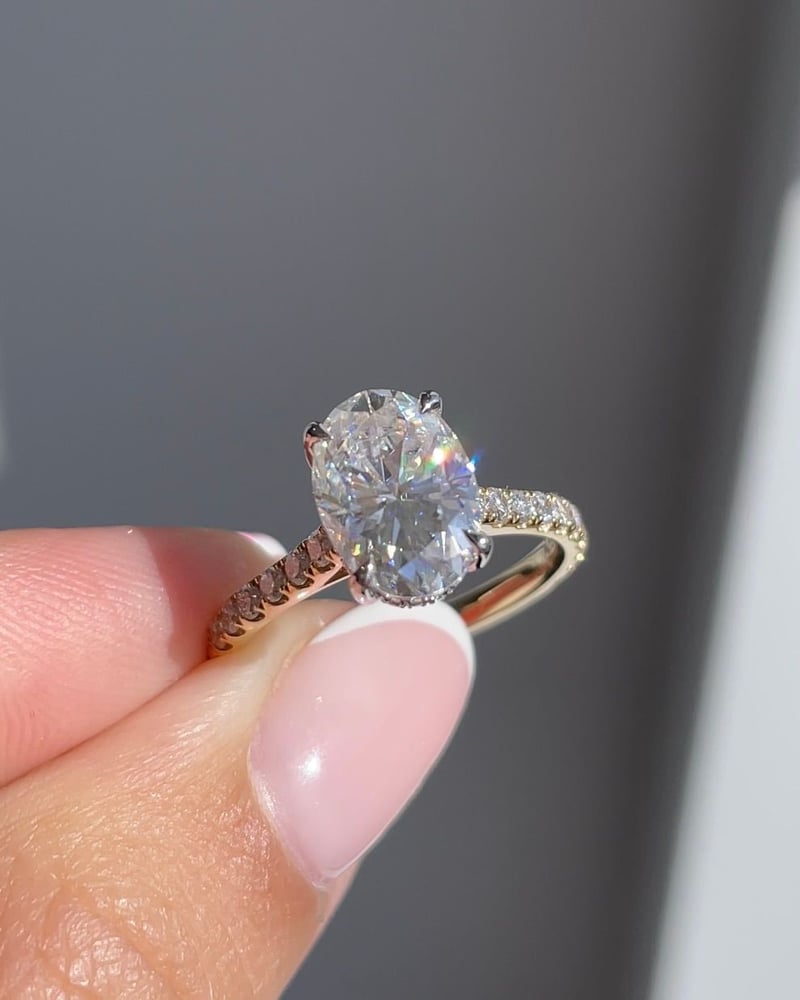
Placed side by side, moissanite and diamond appear remarkably alike to most people. The key difference lies in light behaviour: moissanite shows slightly more colour dispersion. Some adore that vibrant sparkle; others prefer diamond’s quieter luminosity. Neither is better – the preference is visual, not hierarchical. Where moissanite sets itself apart is value. Its lab grown origin allows for significant cost advantages, especially at larger sizes. Increasing stone size doesn’t exponentially increase the price, giving couples more freedom to explore proportions and silhouettes they love.
A Modern, Responsible Choice
Moissanite also appeals to people seeking a more environmentally considered option. Because it is created in controlled laboratory environments, it avoids the environmental impact associated with traditional diamond mining. It’s a stone aligned with modern values – longevity, beauty, ethics and design freedom.
Nothing Fake About It
Moissanite isn’t the “best fake diamond.” It isn’t a fake at all. It’s a contemporary gemstone with a refined brilliance, exceptional durability and a visual identity that feels modern and intentional. If you’re exploring moissanite or lab grown diamonds, our team can guide you through shapes, proportions and settings. Book an appointment and begin your design journey.