What is Rhodium Plating? Here's Everything You Need to Know
— by Cullen Jewellery — Reading time 3 minutes
If you own white gold jewellery, particularly an engagement ring or wedding band, you've likely heard about rhodium plating. This process is responsible for the brilliant white shine that makes white gold jewellery so desirable. But what exactly is rhodium plating, why is it necessary, and what does it mean for jewellery maintenance? At Cullen Jewellery, we believe in educating our clients about every aspect of their precious pieces, so let's explore everything you need to know about this essential process.
What is Rhodium Plating?
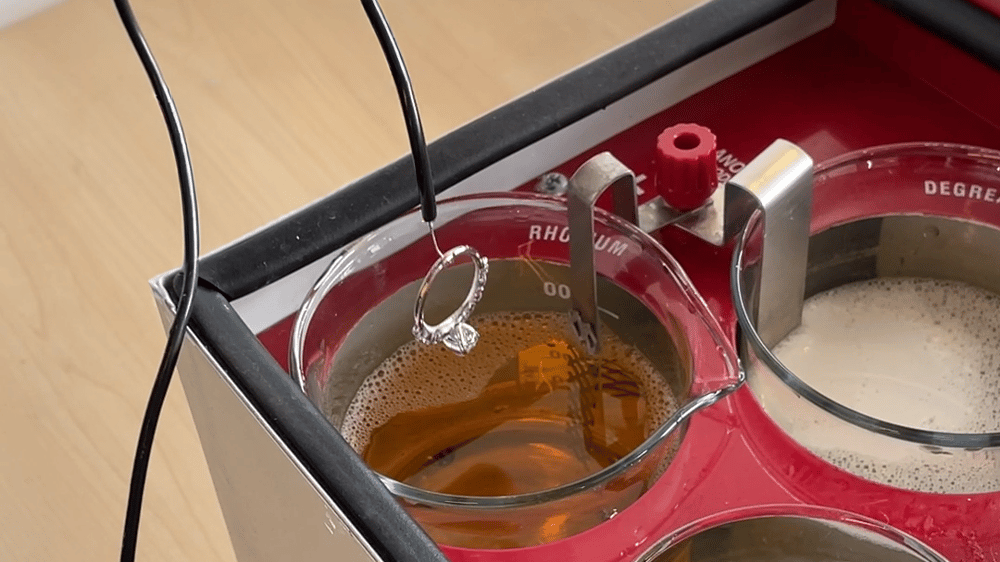
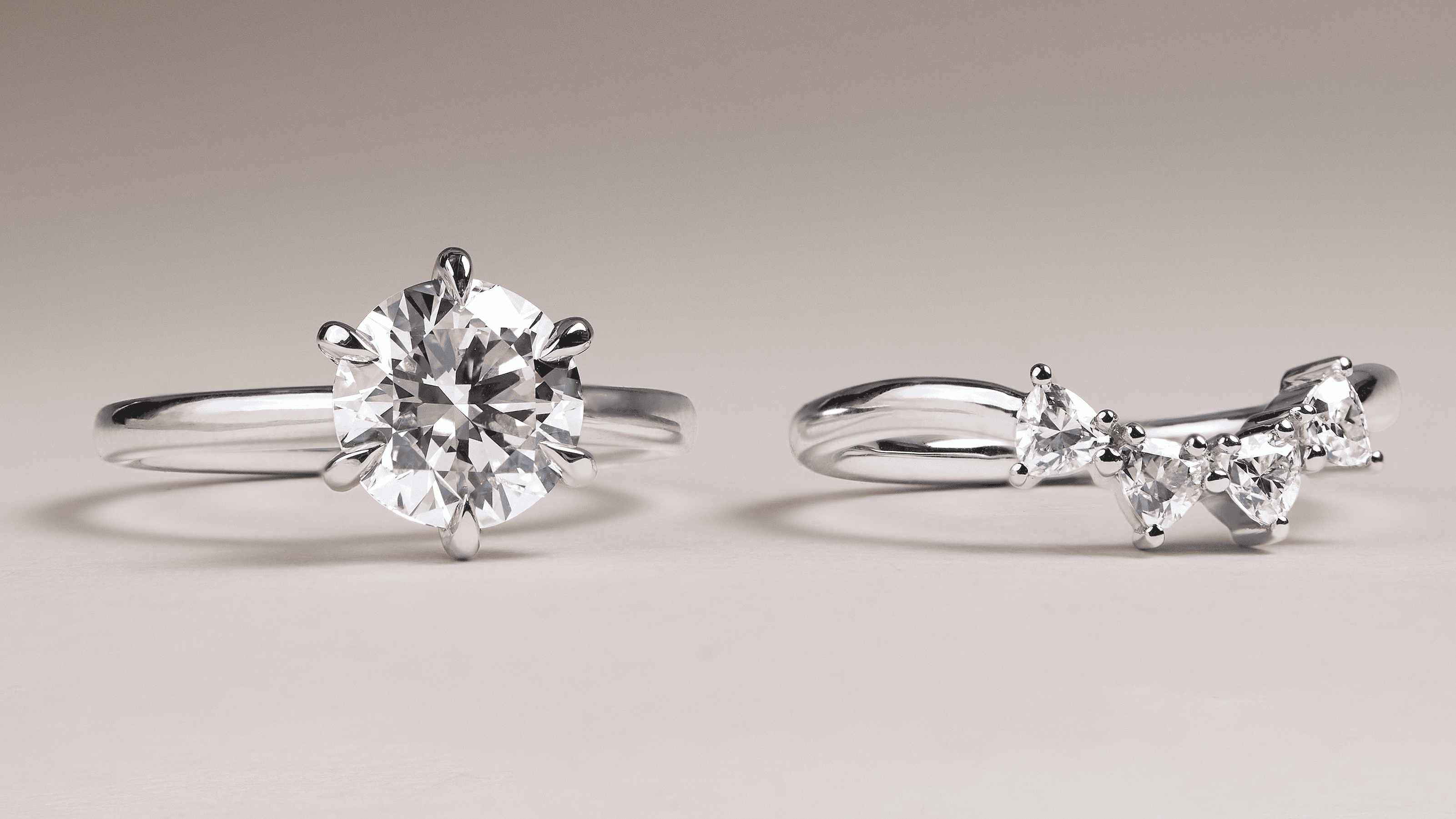
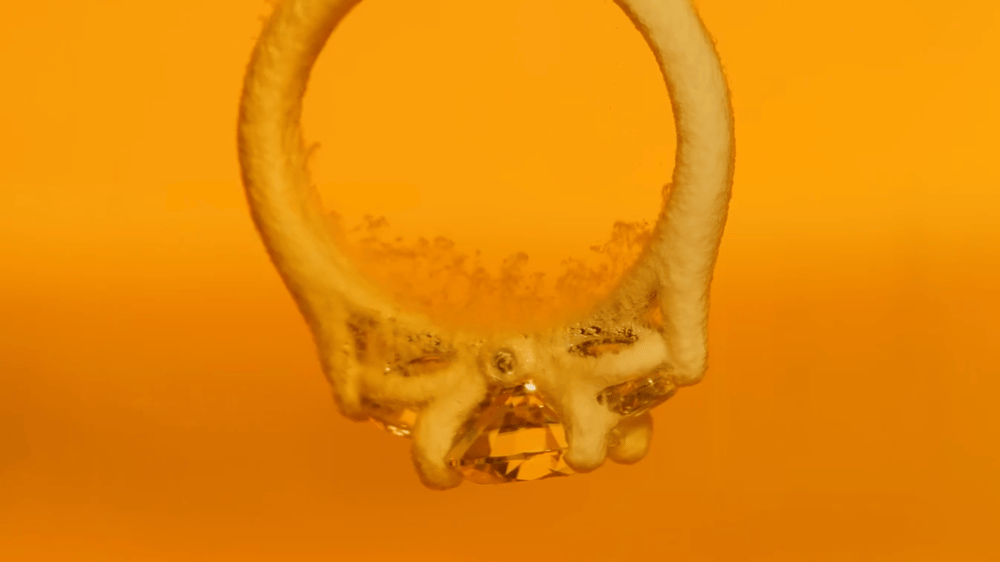
Rhodium plating is an electroplating process where a thin layer of rhodium is applied over another metal, usually white gold or sterling silver. The process enhances the precious metals appearance and durability by creating a bright, mirror-like white finish that resists scratches and tarnish. Rhodium itself is a rare, precious metal belonging to the platinum family.
Why is White Gold Rhodium-plated?
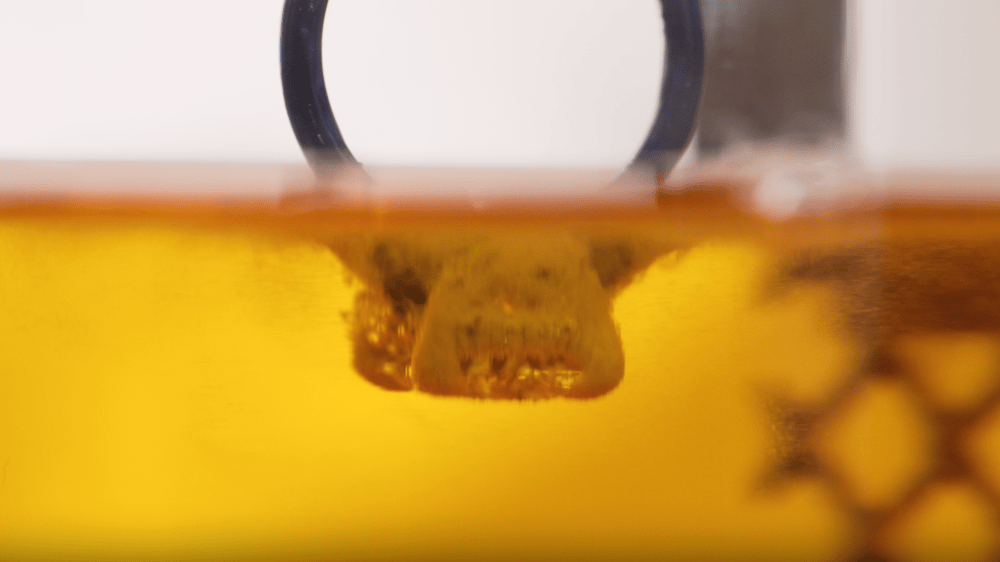
Perhaps the most common question about rhodium plating is: why do white gold rings need it in the first place? The answer lies in understanding what white gold actually is. Despite its name, white gold isn't naturally white. Gold itself is a yellow metallic element that's quite soft on its own. To create white gold, pure gold is mixed with white metals like nickel, palladium, or silver to produce an alloy that's stronger and whiter in appearance. However, even after alloying with white metals, white gold retains a slightly greyish-yellow or off-white colour rather than the bright white most people expect.
How Long Does Rhodium Plating Last?
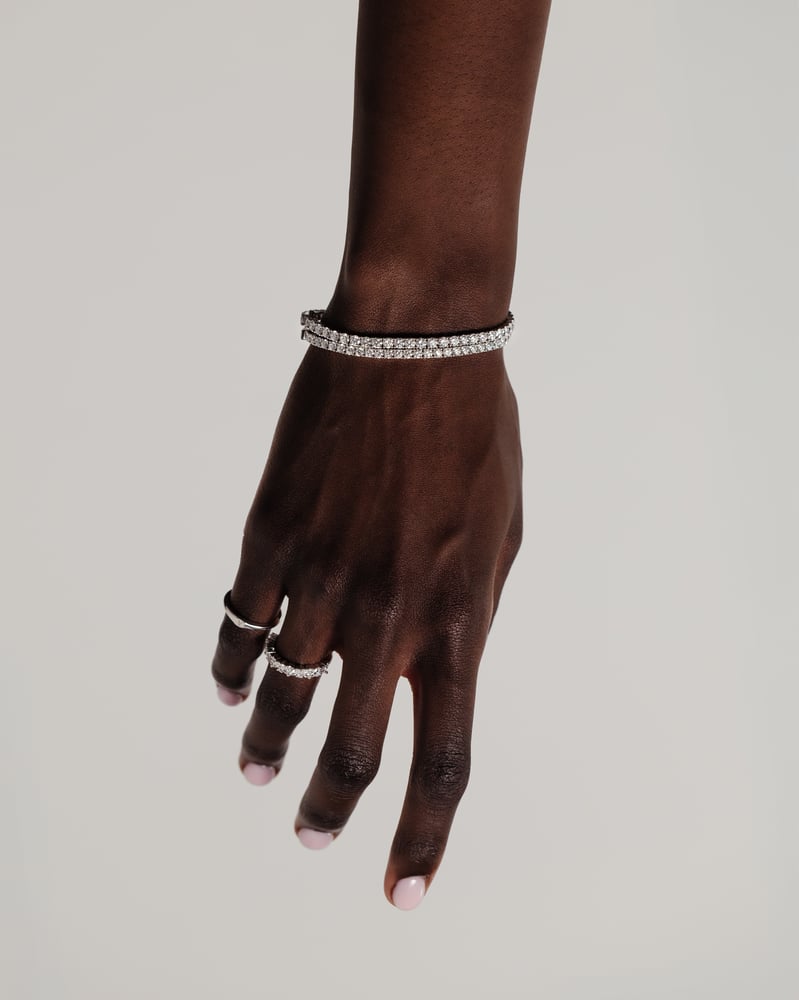
One of the most important considerations when owning rhodium-plated jewellery is understanding that the plating isn't permanent. Rhodium plating typically lasts between six months to three years, depending on several factors. For rings worn daily, expect rhodium plating to last anywhere from six months to two years. Rings experience the most wear of any jewellery type due to constant contact with surfaces, exposure to hand washing and chemicals, and friction from activities.
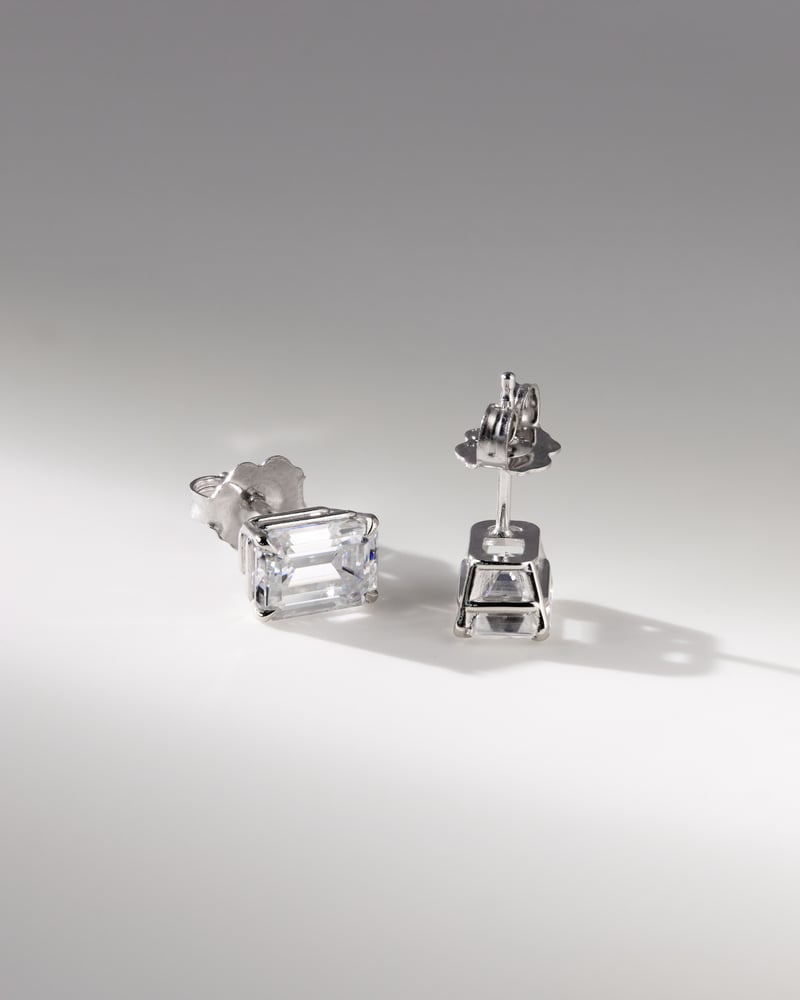
Necklaces and pendants may retain their rhodium plating for two to five years or longer, as they experience minimal friction and less exposure to harsh chemicals. Similarly, earrings often retain their rhodium finish for several years because they don't come into regular contact with surfaces or chemicals.
Professional replating follows the same electroplating process as original plating. Your jeweller will remove the old rhodium layer through polishing, thoroughly clean the piece, polish away any scratches or wear, apply fresh rhodium plating, and inspect for quality and consistency. This process typically takes anywhere from a few hours to a few days.
Rhodium Plating Vs Platinum
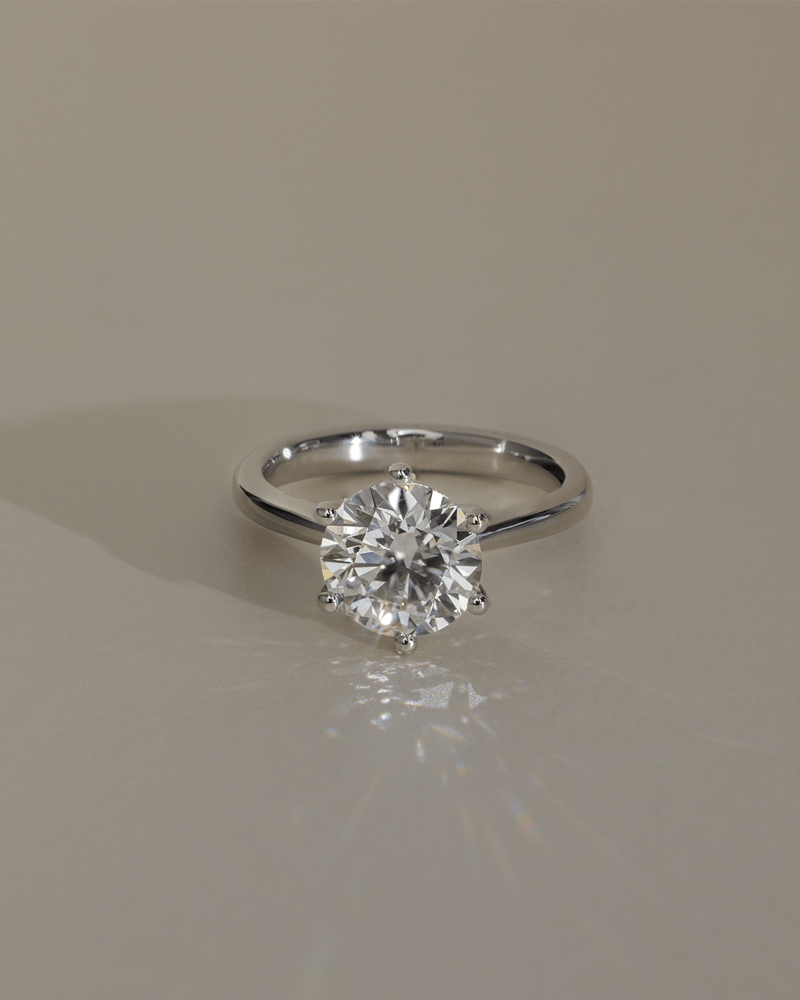
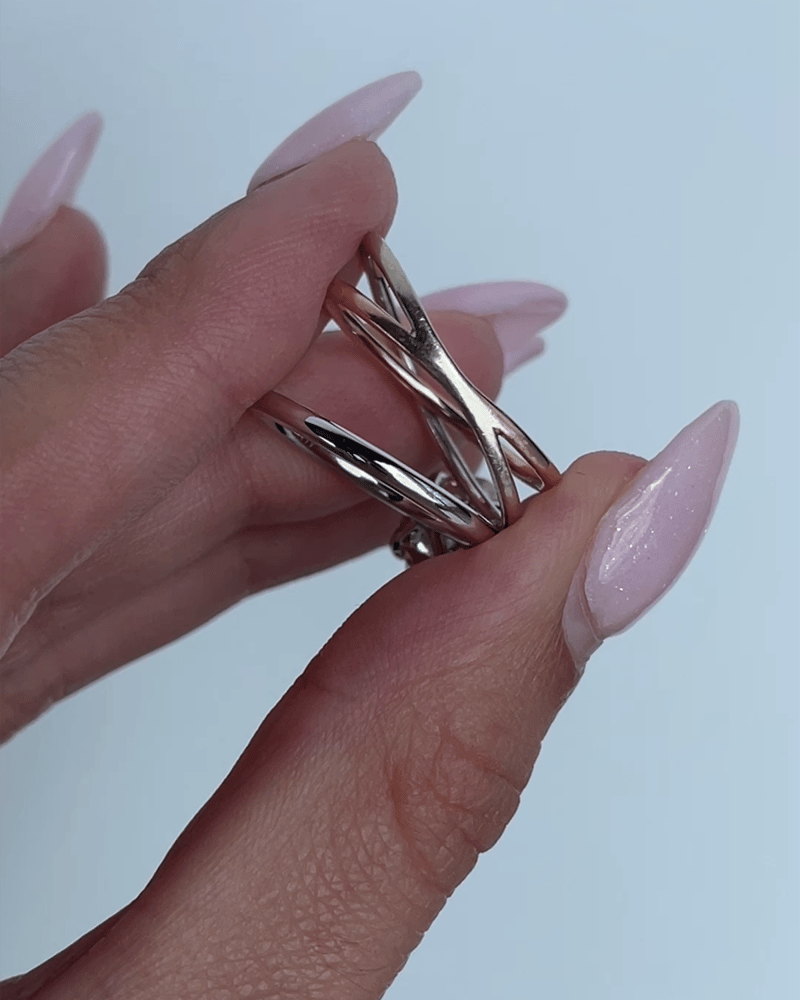
Platinum is a naturally white precious metal that never requires plating. It maintains its colour permanently without yellowing or needing enhancement. Platinum is denser and heavier than white gold, providing a substantial feel that some people prefer.
While extremely similar in appearance, rhodium-plated white gold offers a brighter, more reflective finish than platinum's naturally softer white tone. However, it requires regular replating maintenance that platinum doesn't need. In terms of cost, white gold is initially significantly less expensive than platinum, but lifetime replating costs add up over decades.
14k Vs 18k White Gold Colour
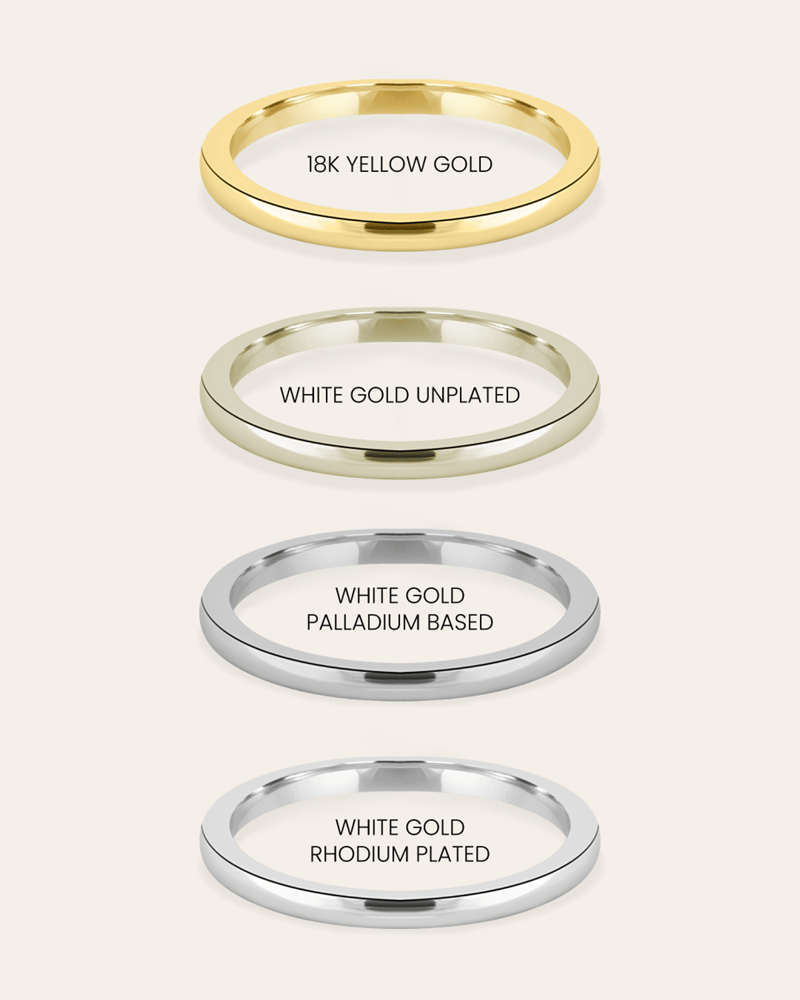
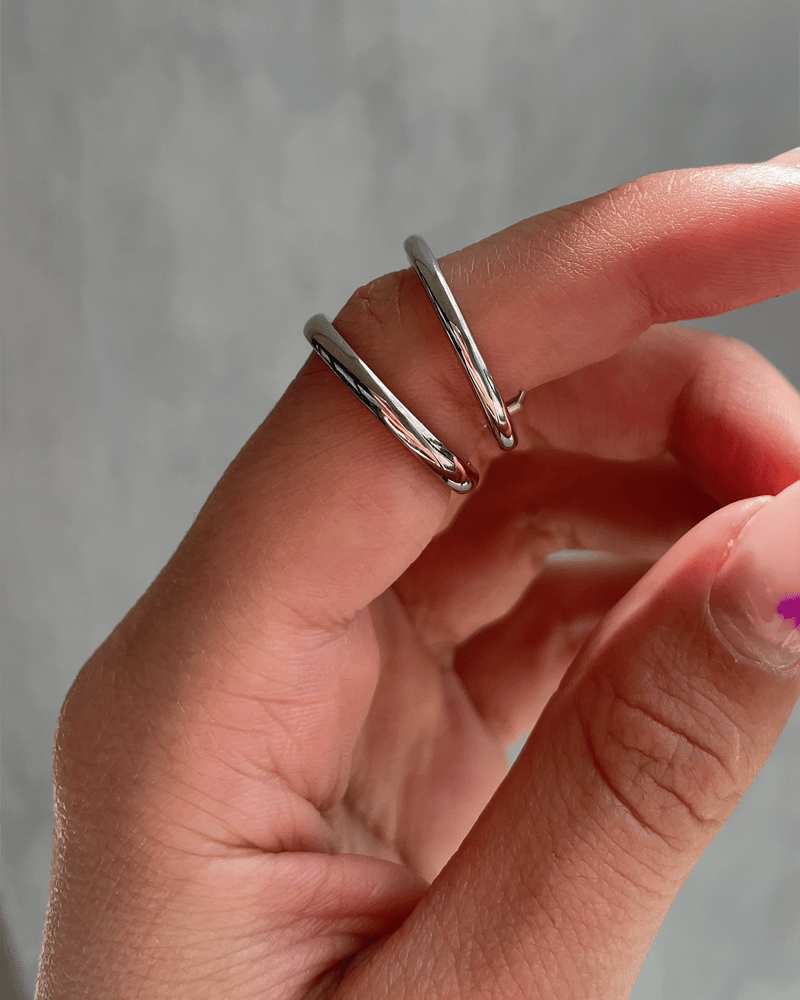
The karat weight of white gold significantly affects its natural colour and how it looks with or without rhodium plating.
18K white gold contains 75% pure gold mixed with 25% white metal alloys. Because it has more gold content, 18K white gold appears slightly warmer or more yellow than 14K when unplated.
14K white gold approximately contains 58.3% pure gold with 41.7% white metal alloys. With less gold content, the natural unplated colour is slightly cooler and whiter than 18K, though still noticeably different from rhodium-plated pieces.
So, Which is Better?
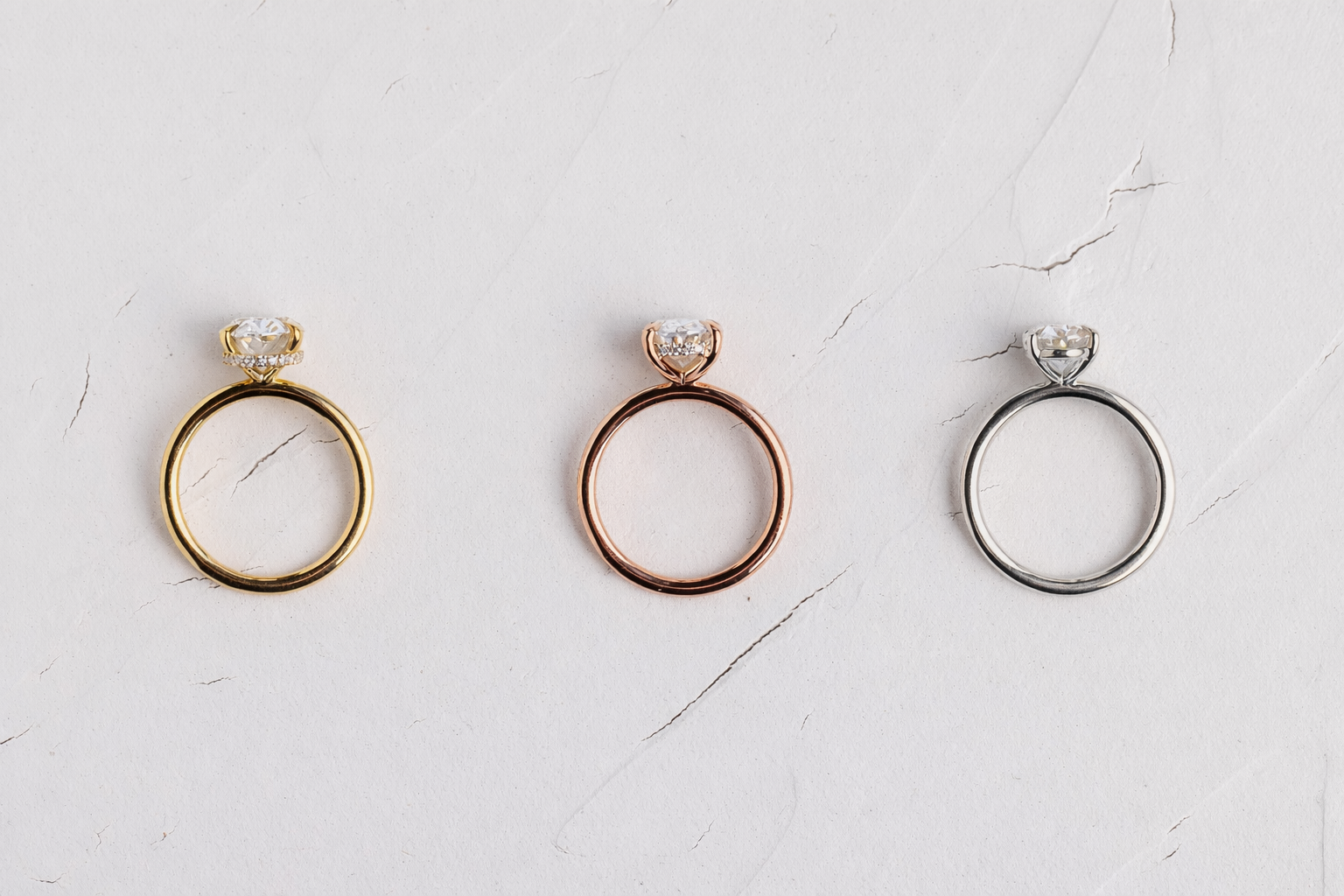
Neither option is objectively better – it’s purely a matter of personal preference. Rhodium plating is ideal if you prefer a bright, reflective white metal that mimics platinum's appearance and are willing to maintain it through regular replating. Some even like the look of white gold where the plating has worn away, as they prefer subtle, warm tones, or want to avoid ongoing maintenance and replating costs, and appreciate the organic, vintage aesthetic of natural metal. Or, for a bright white, no-fuss metal - the truth is that it is hard to beat platinum.