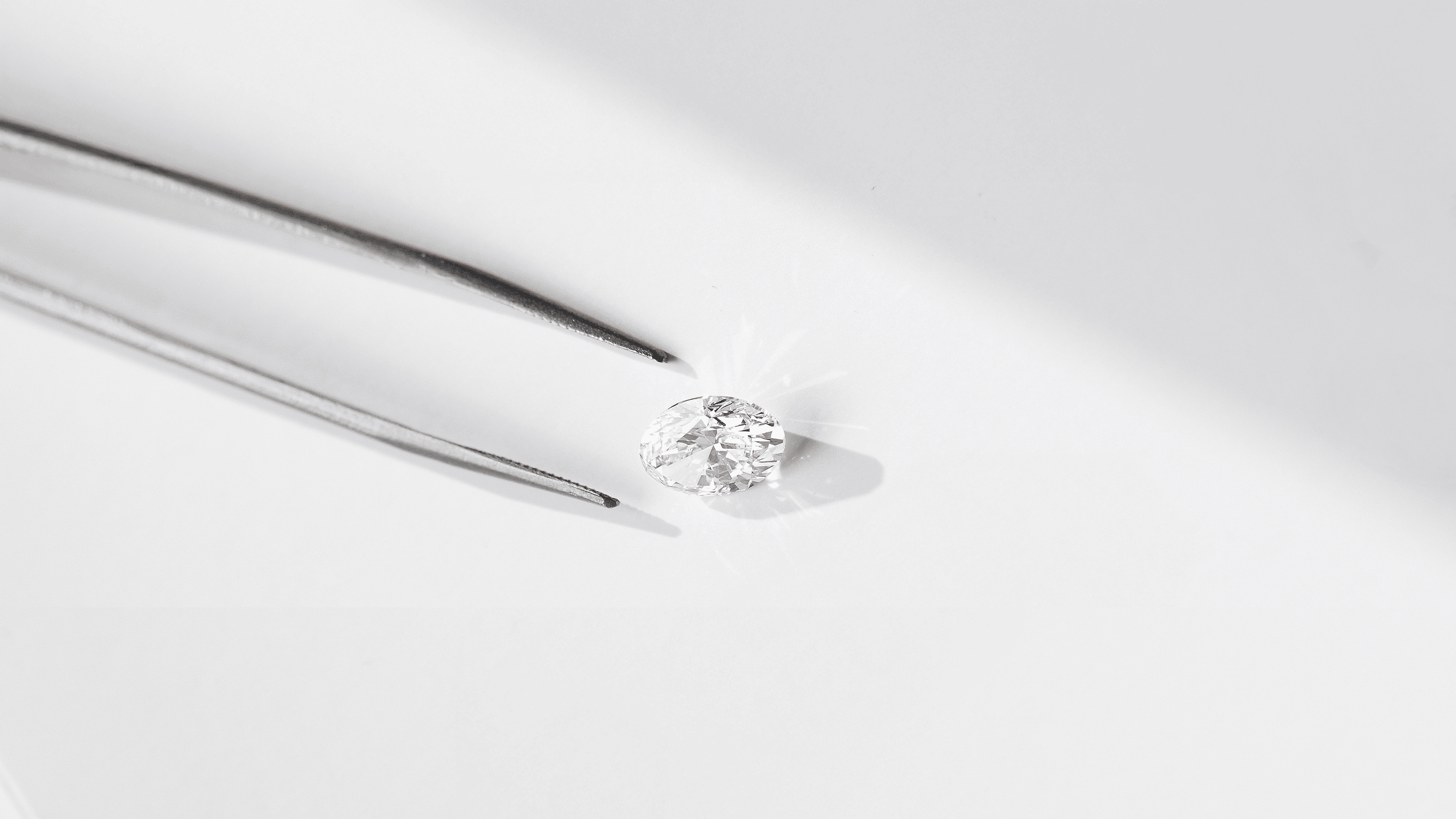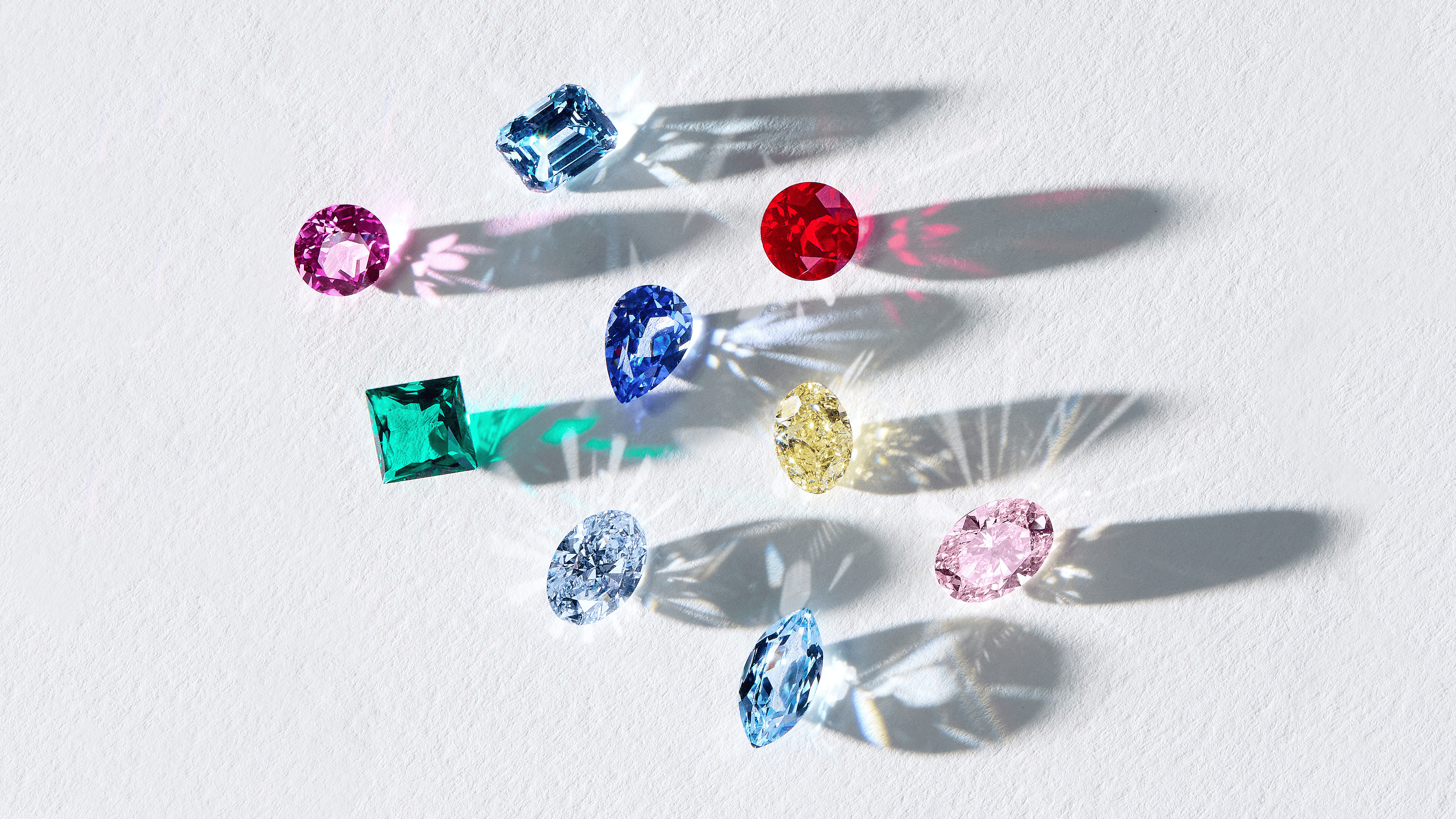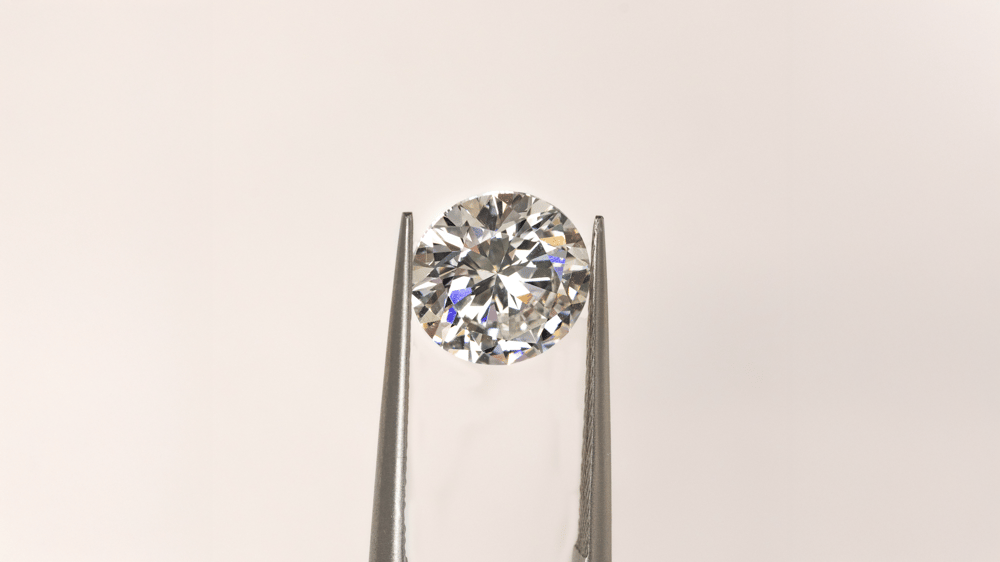
Clarity is one of the most discussed aspects of a diamond, yet often one of the least understood. On paper, it refers to the presence of inclusions and blemishes – the small internal or surface characteristics that form as a diamond grows. In practice, it shapes something deeper, intangible: how clean a diamond feels, how uninterrupted its light appears, and how it holds your attention.
What Diamond Clarity Actually Means
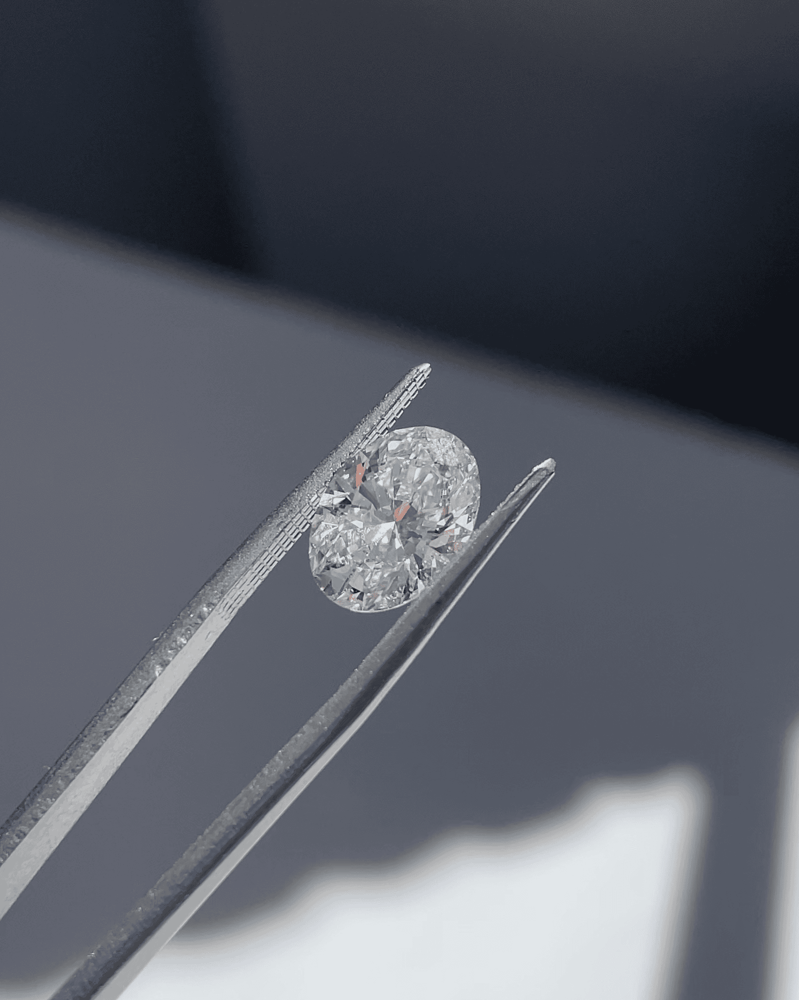
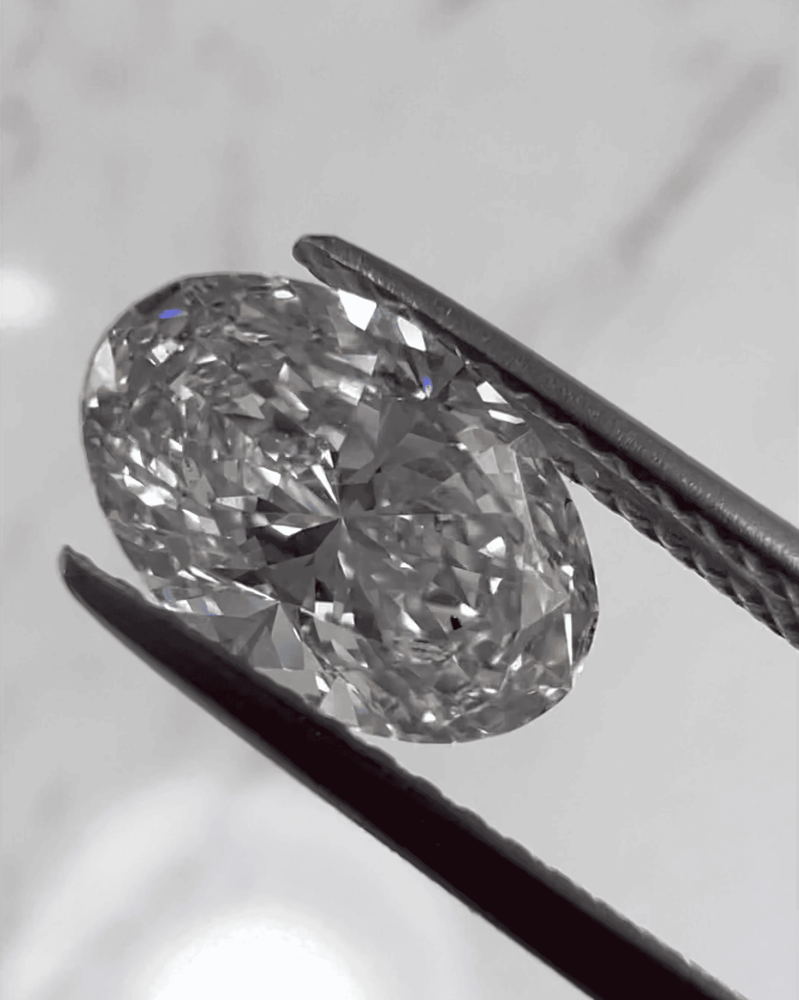
Diamond clarity measures the presence of inclusions (internal characteristics) and blemishes (external features). These form naturally during the diamond’s growth, whether beneath the Earth or in a laboratory. No two diamonds are identical, which is why clarity exists as a way to understand and compare them. Importantly, most inclusions are microscopic. They are only visible under magnification, not in everyday wear. It’s also one of the 4Cs, which determine the price of a diamond, along with colour, cut and carat weight. Clarity isn’t only a vanity consideration - whilst a heavily included diamond will have inclusions that can distract from its inherently brilliant sparkle, it may also potentially cause durability issues that can compromise the incredible durability of a diamond.
What ‘eye Clean’ Really Means
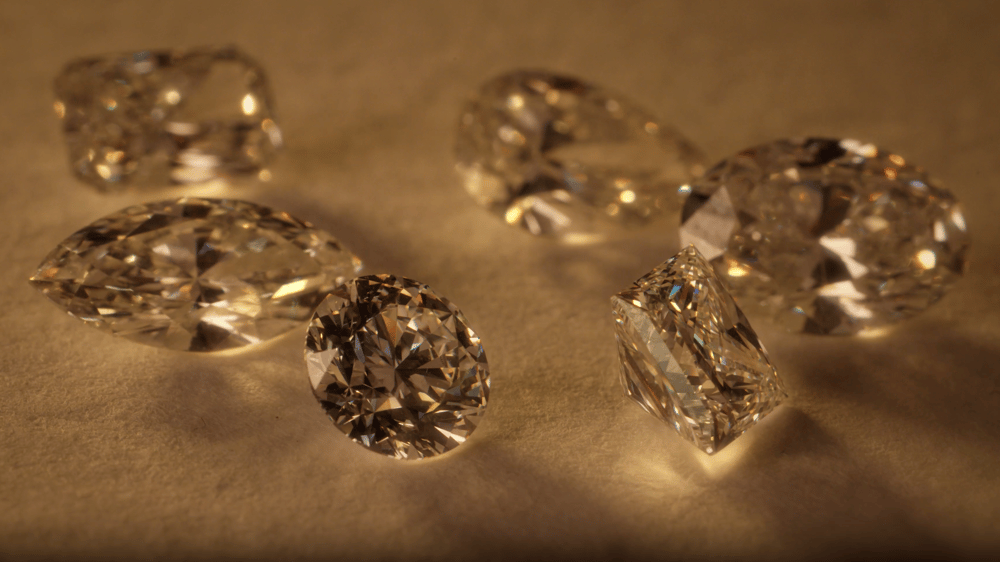
You’ll often hear the term eye clean in the context of diamond clarity. This refers to a diamond where inclusions are not visible to the naked eye, even if they exist under magnification. It’s a more practical way to think about clarity – grounded in how the diamond will actually be experienced. In many cases, a diamond can sit below the highest clarity grades and still appear completely clear when worn.
How the Clarity Scale Works
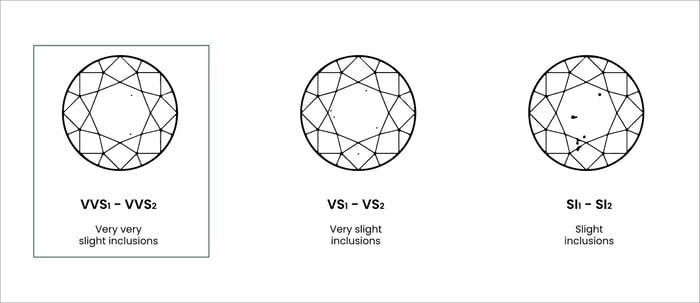
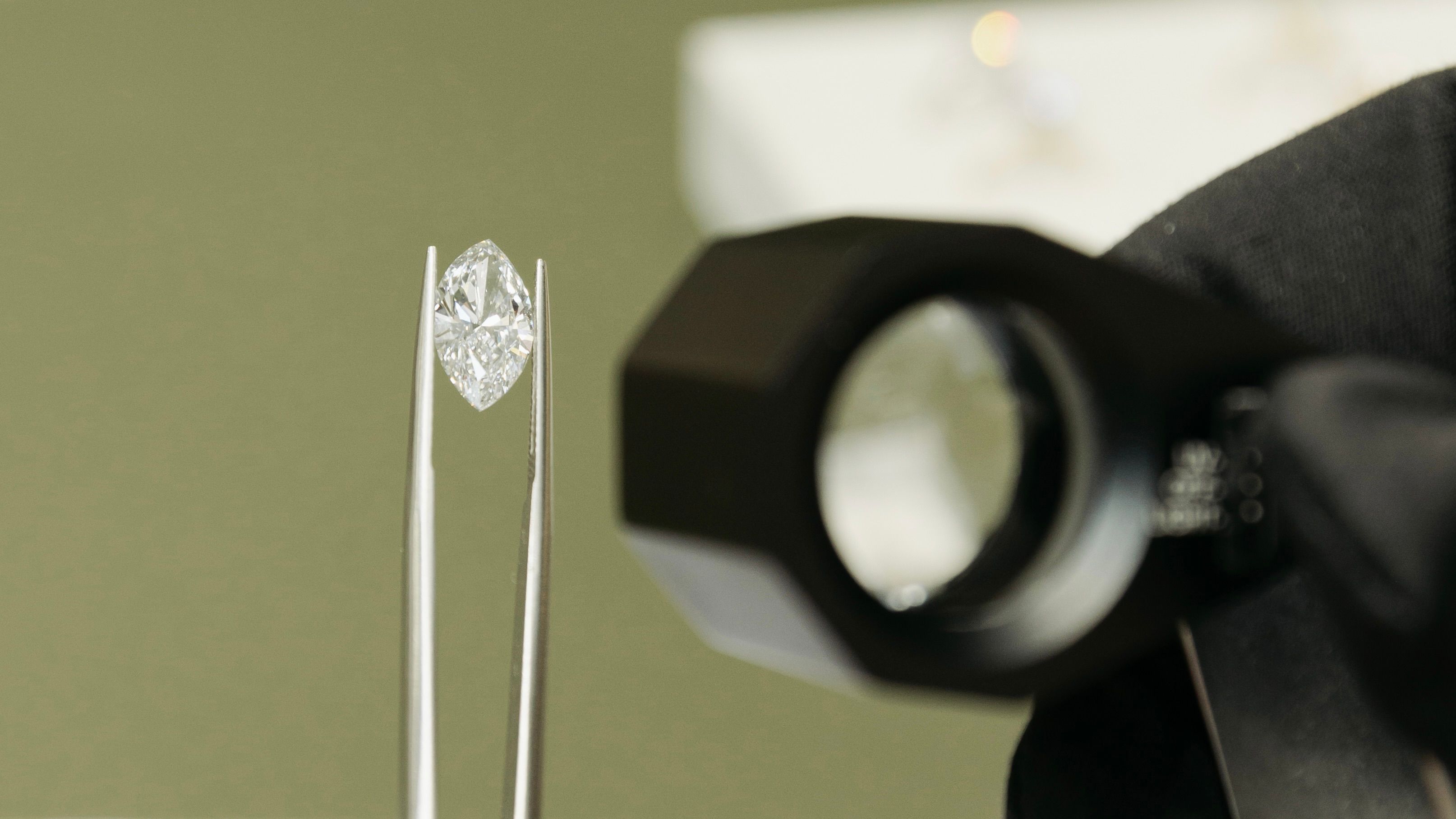
The Diamond Clarity Scale was developed by the Gemological Institute of America (GIA) and rates a diamond from “flawless" to “included”. This cannot be done with the naked eye, and professionals use 10x magnifiers to see the internal and external state of the diamond.
A “Flawless” [FL] diamond
has no inclusions or blemishes visible under 10x magnification. Mined diamonds are all likely to have some kind of inclusion after being formed by a natural process, so finding “flawless” diamonds is extremely rare, making these the most expensive clarity of diamond.
“Internally Flawless” [IF] diamonds
have no inclusions [internal imperfections] visible under 10x magnification but may have some blemishes [external imperfections] under magnification. These diamonds are “eye clean” and so these are still a great option to include as a centre stone on an engagement ring.
“Very, Very Slightly Included” [VVS1 and VVS2] diamonds
When a diamond grader can see that there are some levels of inclusions at 10x magnification, but can barely make them out - a diamond will be given this grade. These are also “eye clean” diamonds, so you won't see inclusions to the naked eye, making this an incredible choice for those seeking a diamond with no visibile inclusions.
“Very Slightly Included” [VS1 and VS2] diamonds
have slightly more visible inclusions under magnification, but still minor, and are mostly still “eye clean”. “Slightly Included’. Probably the most common grading we see clients opting for lab diamond is VS1.
“Slightly Included” [SI1 and SI2] diamonds
have inclusions which are very noticeable under 10x magnification, and will be extremely likely to show up to the naked eye.
“Included” [I1, I2, and I3] diamonds
have even more obvious inclusions under 10x magnification and will always show to the naked eye. Despite diamond's incredible hardness, stones with these gradings may affect the quality and durability, making them more prone to chipping or cracking under pressure.
Choosing a Clarity Grade
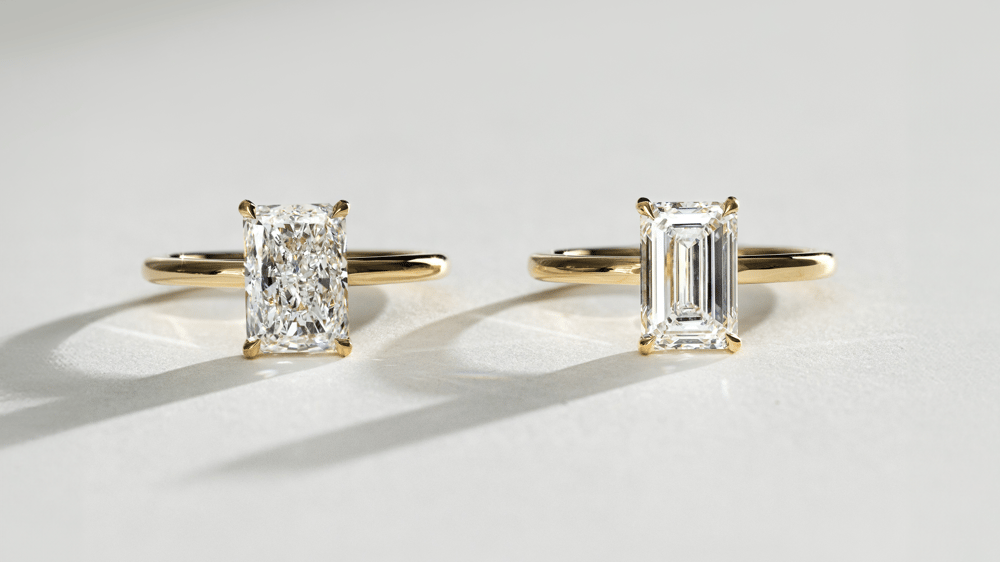
When it comes to the 4Cs, Clarity does not exist in isolation. The way a diamond is cut plays a significant role in how inclusions are perceived. Brilliant cuts, with their many facets, disperse light in a way that can soften or disguise inclusions. Step cuts, such as emerald, are more exposed. Their clean, open surfaces make clarity more visible, which is why higher clarity grades are often recommended for these shapes.
Clarity is best considered in context. Most people will never examine their diamond under magnification. It will be seen in natural light, in motion, across moments rather than under scrutiny. For this reason, an eye clean diamond often offers the most balanced choice — delivering clarity where it matters, without over-investing in what cannot be seen. Clarity is not about perfection. It is about proportion.