Choosing an engagement ring centre stone is a significant decision. Not only will it become a symbol of your love and commitment, but it’s also potentially a considerable financial investment. While diamonds have long been the traditional choice for engagement rings, some couples can decide to take the non-diamond route. So, if diamonds aren’t your thing, we’ve got you covered.
It should be noted here that mined diamonds are not an environmentally-friendly choice. Mined diamonds often come from conflict zones and can be associated with violence and human rights abuses. Mining in general causes water pollution, biodiversity loss, and habitat destruction — something that unfortunately concerns all mined gemstones.
Nevertheless, what are the popular diamond alternatives? Before we start, this list will not contain lab grown diamonds. This is because lab created diamonds are real diamonds with the same durability and sparkle. A lab created diamond is physically and chemically identical to a mined diamond, but has a much lower socio-environmental impact and price.
Accordingly, find seven popular diamond alternatives for engagement rings below:
1. Moissanite
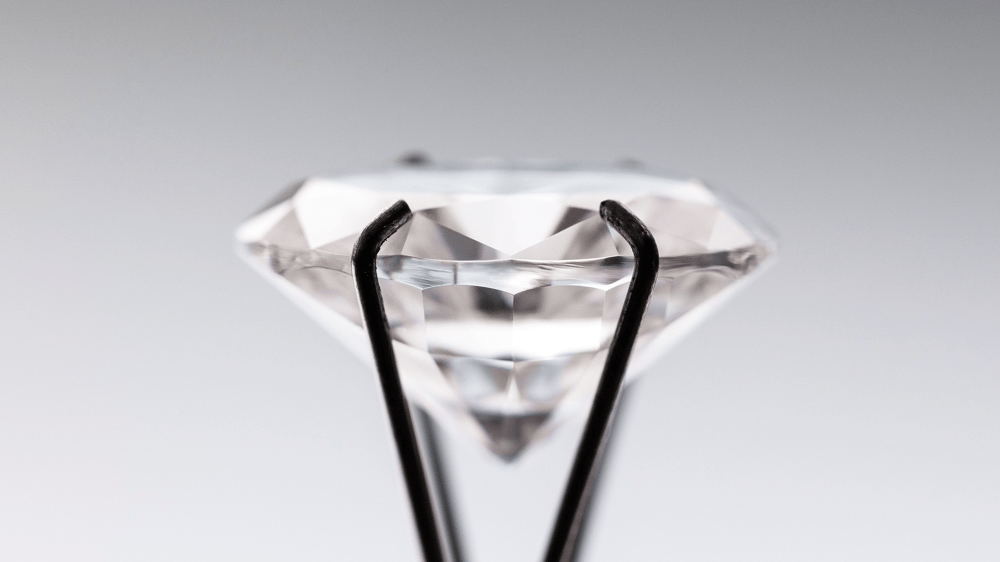
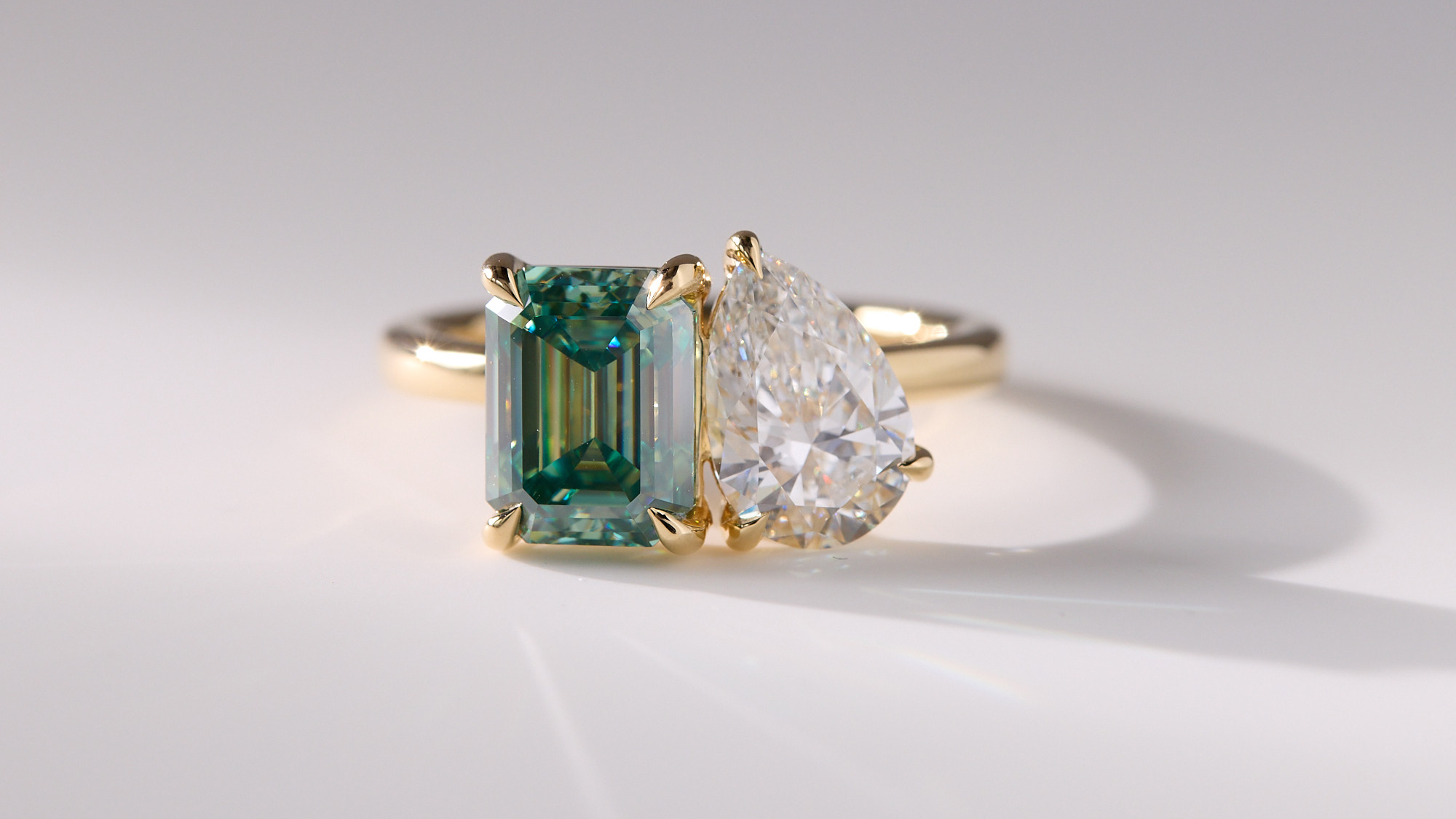
Moissanite is a unique gemstone in its own right, loved for its bright, lively sparkle and modern appeal. It has also become increasingly popular as a diamond alternative because it offers a similar overall look in many settings, often at a more accessible price point. Made from silicon carbide, moissanite has many of the same optical properties people associate with classic engagement ring styles, and it is typically available in near-colourless finishes. This means it can complement any ring setting well, including platinum, yellow gold, rose gold, and white gold.
2. Emeralds
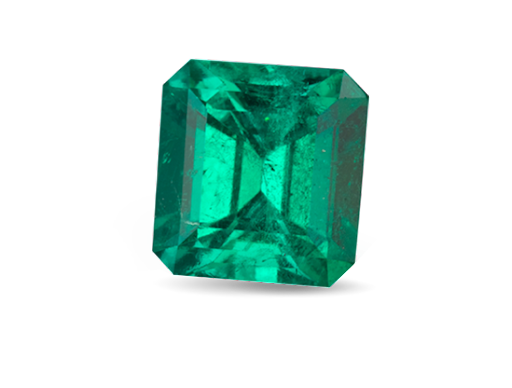
Emeralds are precious gemstones that are said to represent hope, new beginnings, and growth. What better way to symbolise your relationship than with coloured gemstones that represent all of those things? Additionally, an emerald is 7.5 to 8 on the Mohs scale and has fair to good toughness. Emeralds are a variety of the mineral beryl that gets its distinctive green colour from traces of chromium and vanadium. These precious stones are found in several countries worldwide, including Brazil, Colombia, Zambia, and Zimbabwe. However, emeralds from Colombia are generally considered to be the finest quality. Emeralds have a unique look and are eye-catching, making them a beautiful choice if you want a green centre gemstone. That said, they do require a little more caution for everyday wear, as they can be more prone to surface scratching or damage than harder gemstones. Many people choose protective settings and take extra care with cleaning to help keep emeralds looking their best.
3. Sapphires
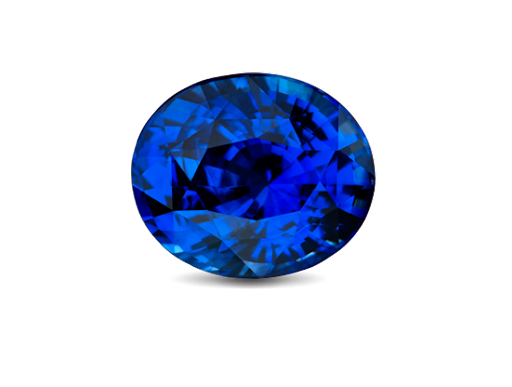
A sapphire is a stunning gemstone that has been popular for centuries. In fact, blue sapphires have been found in jewellery dating all the way back to 800 BC! Sapphires are said to represent wisdom, loyalty, and faithfulness, which makes them the perfect choice for diamond alternatives. Sapphires are a type of corundum, a mineral that is composed of aluminium oxide. Trace elements, such as iron, titanium, and chromium, can give sapphires their distinctive colour. Because sapphires rank a 9 on the Mohs scale, they are a great choice for everyday wear. While they are not as hard as diamonds, they are still highly scratch-resistant and well suited to engagement rings, especially for those who want a durable gemstone with a unique look.
4. Rubies
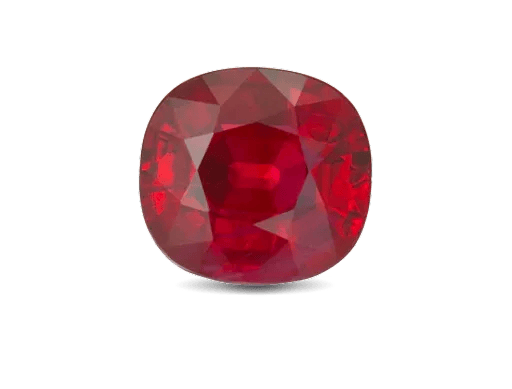
From the same mineral family of corundum as sapphires, rubies come in a vibrant red colour and are said to represent love and passion. Rubies rank 9 on the Mohs scale, which means they won’t be damaged easily. Like sapphires, rubies are a strong choice for everyday wear thanks to their 9 on the Mohs scale. While diamonds are harder, rubies still offer excellent durability for engagement rings, and they are ideal for couples who want a bold, romantic centre gemstone with lasting presence.
5. Opals
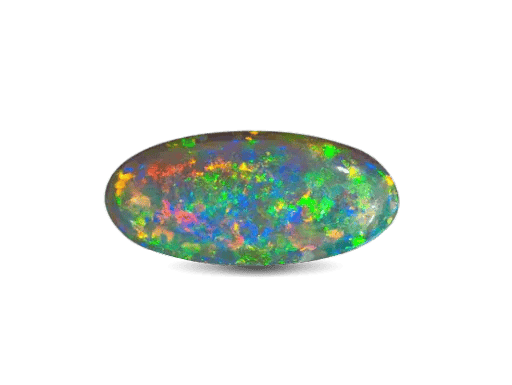
Opals are a type of alternative stone known for their beautiful colours, patterns, and fancy shapes. An opal is typically found in shades of white, though it can also be found in shades of blue, pink, and green. Opals typically form in deposits of silica-rich rock, such as sandstone or limestone. As the rock erodes, the silica is carried away by water and transported to another location, where it settles and forms a new deposit. Over time, this process can repeat itself many times, slowly creating layers of opal. Eventually, these layers harden and become the opals that we know today. Because opals are relatively soft, ranking around 5.5 to 6.5 on the Mohs hardness scale, they are generally not recommended for daily wear or engagement rings. However, they can make a stunning fashion piece or special-occasion gemstone, especially for someone who loves a one-of-a-kind look and is happy to give it a little extra care.
6. Turquoise
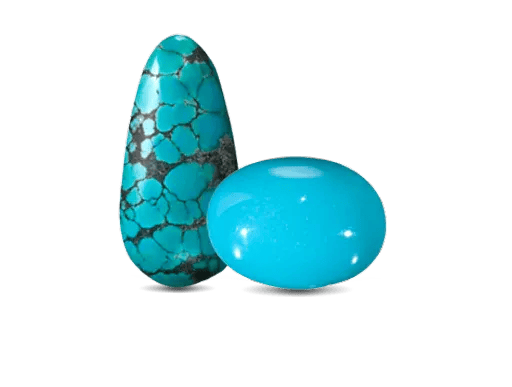
Turquoise is a blue-green stone found in several different geological settings. It is most commonly associated with copper deposits, and as a result is often found in areas with active or recent volcanic activity. The colour of turquoise varies depending on the exact composition of the mineral, but it is typically a bright, vibrant blue. Scientists believe that the first turquoise was mined in Egypt over six thousand years ago. Turquoise is associated with wisdom, strength, and good fortune, and it is chosen for its instantly recognisable colour. Turquoise is a softer gemstone at around 5 to 6 on the Mohs scale making it not recommended for an engagement ring, and is typically better suited to fashion jewellery or special-occasion pieces, especially in designs that help protect the stone.
7. Morganite
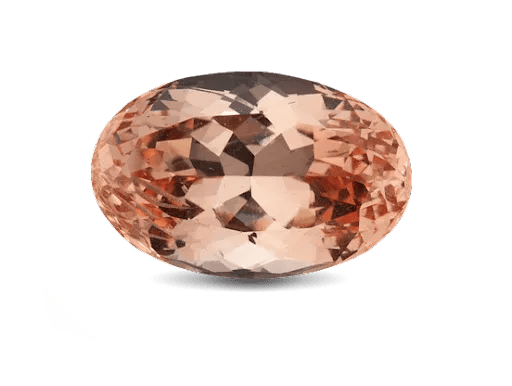
Morganite is a pink to violet variety of beryl, a mineral that includes emerald and aquamarine. Its colour can range from pale pink to peach, yellow-orange, or rose-red, and it is often heat-treated to enhance its colour. Morganite typically forms in pegmatites, igneous rocks that form when magma cools very slowly deep within the Earth. It can also be found in alluvial deposits, which are gravels left behind by rivers and streams. Morganite was first discovered in Madagascar in 1911 and was initially called “Pink Beryl.” However, the gemmologist George Frederick Kunz renamed it “Morganite” as a tribute to his patron, New York banker and philanthropist John Pierpont Morgan. Morganite is said to represent love, compassion, and understanding. With a Mohs rating of 7.5 to 8, morganite can work for everyday wear, especially when set thoughtfully. It is a popular engagement ring choice for those who love soft, romantic colour, and it often looks best in settings that offer a little extra protection for the centre stone.