Curved Bands, Perfect Fits: How to Contour Bands for Different Shapes
— by Cullen Jewellery — Reading time 4 minutes
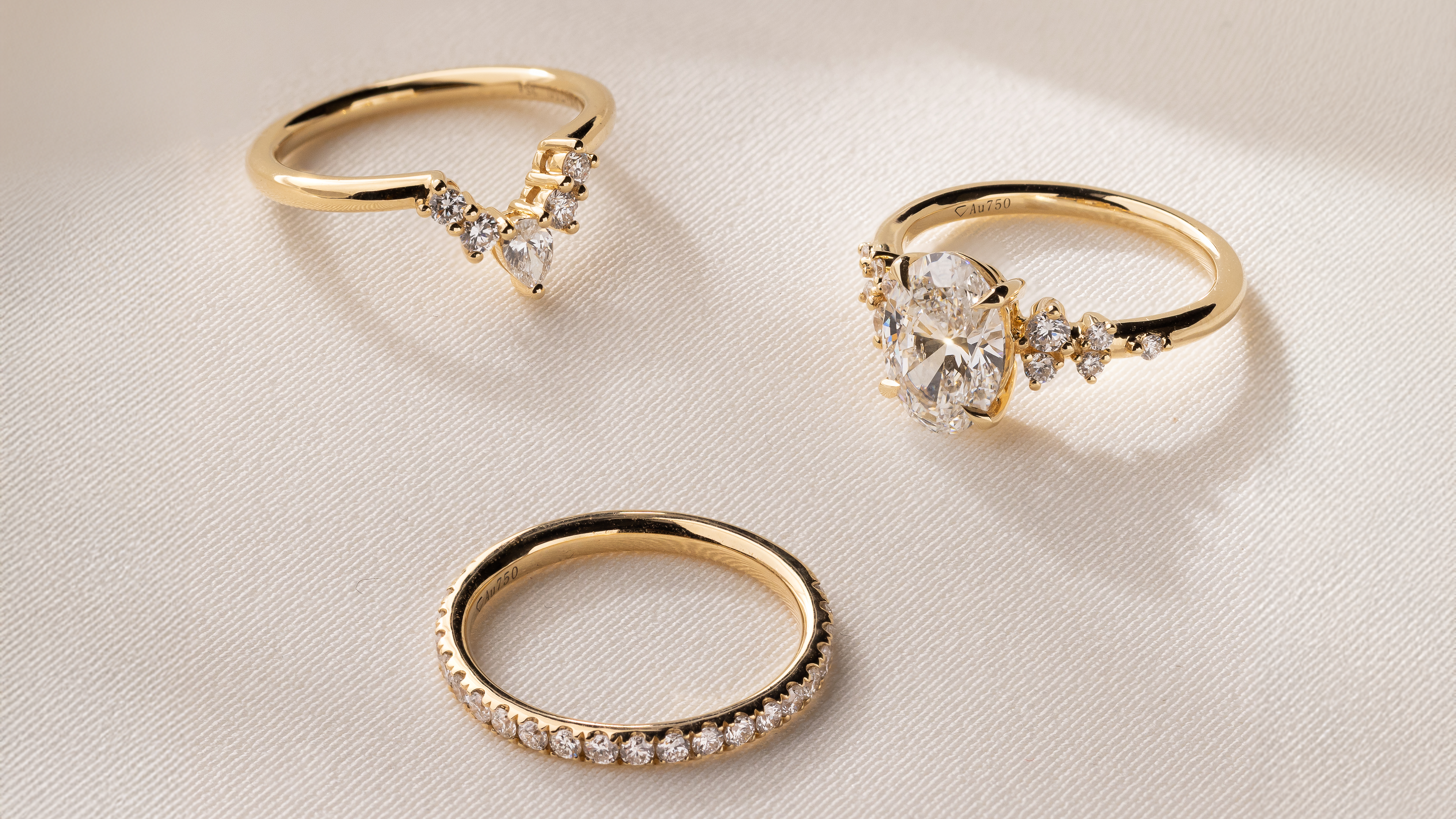
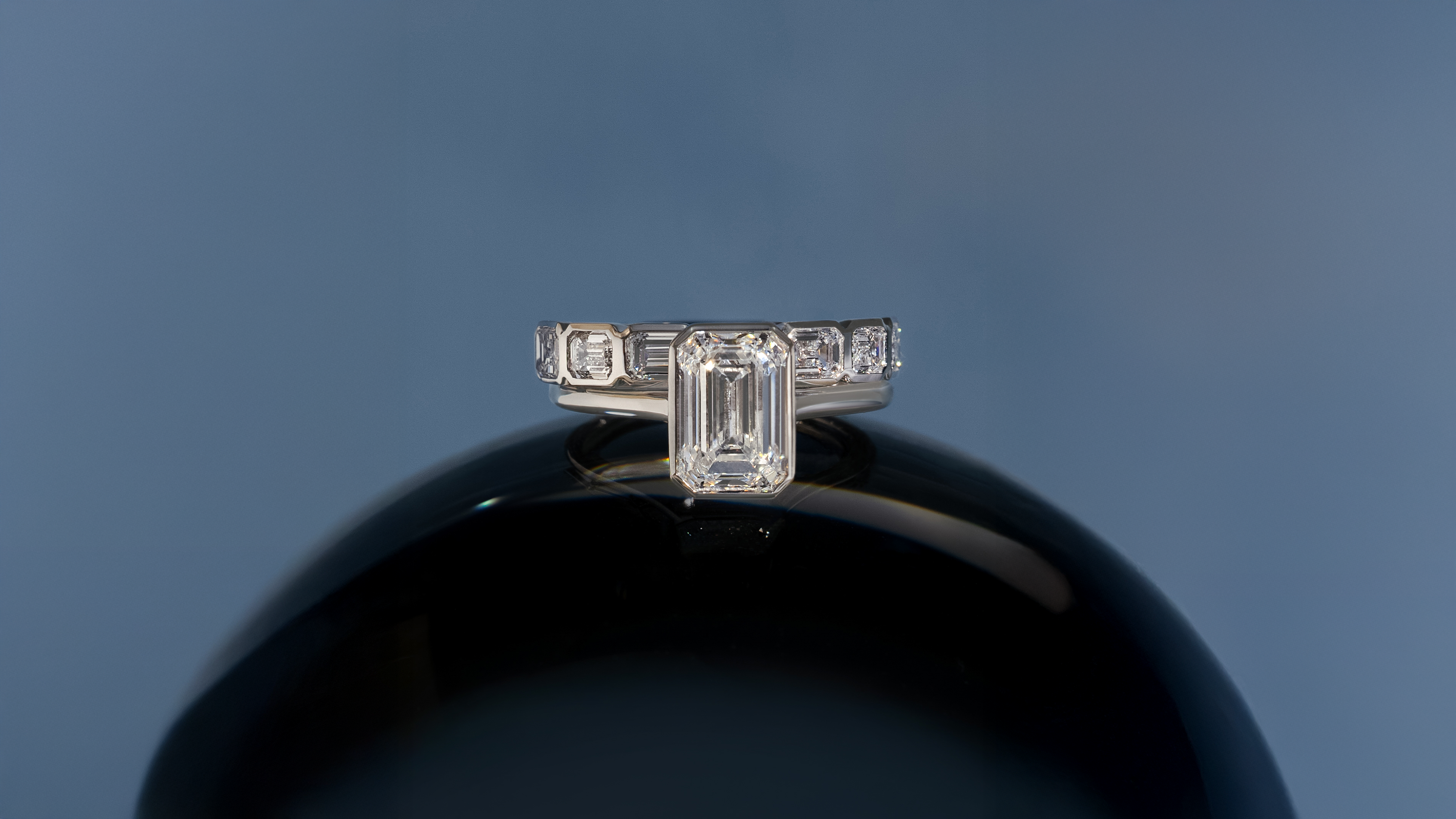
Choosing the right wedding band to complement your engagement ring is just as important as choosing the engagement ring itself, even if realistically it’s not given equal importance in the ring shopping process. While straight bands are the traditional choice, more couples are gravitating toward curved wedding bands, designed to contour around both lower set rings as well as stones with elongated shapes like ovals, pears, and marquise - which we’re seeing a surge in popularity for. We’re breaking down everything you need to know about curved bands — from whether they can be worn solo to which diamond shapes suit them best, and even how to create a custom curved band with Cullen Jewellery for a flawless fit.
Can You Wear Curved Wedding Bands Alone?
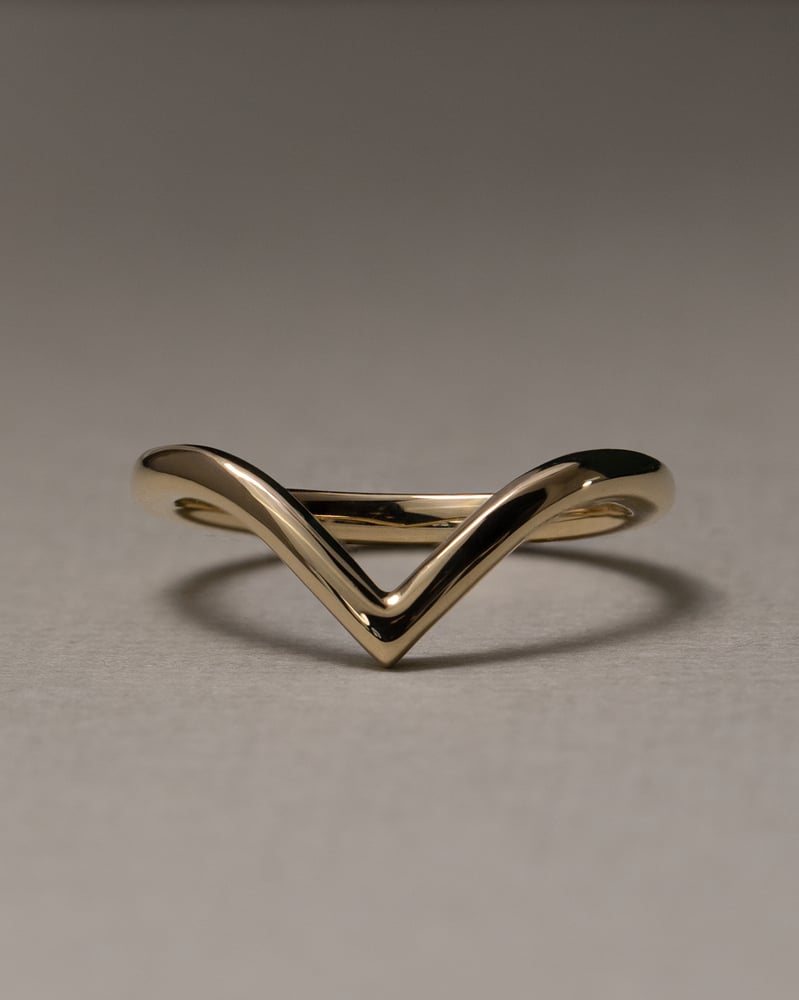
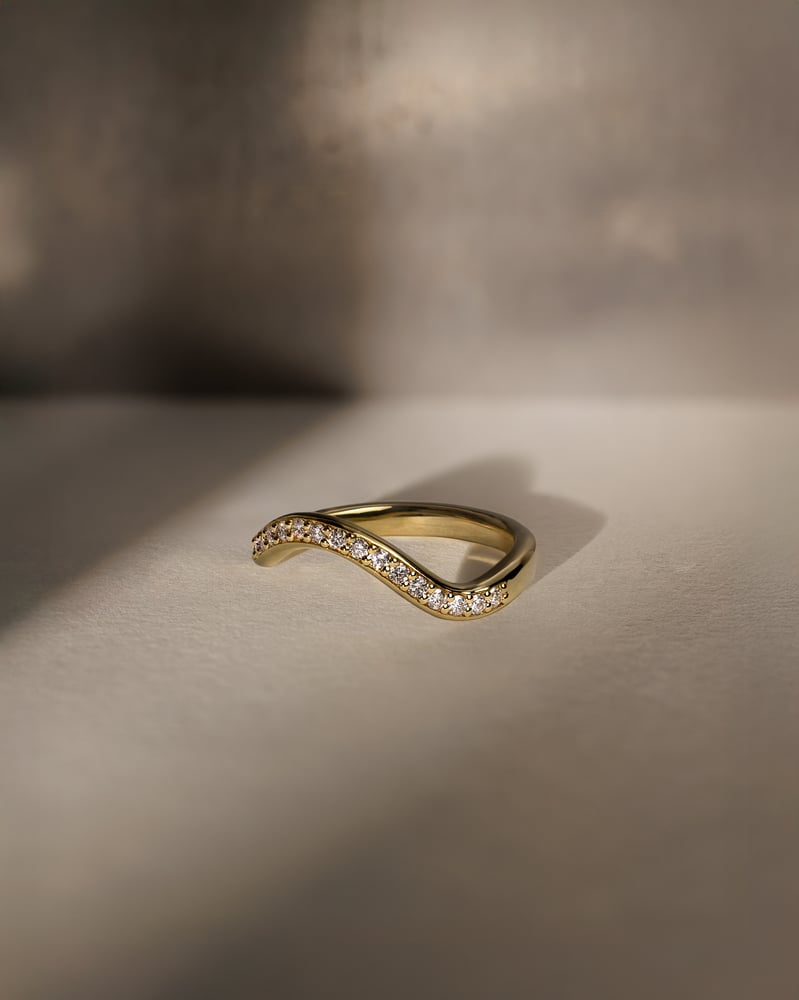
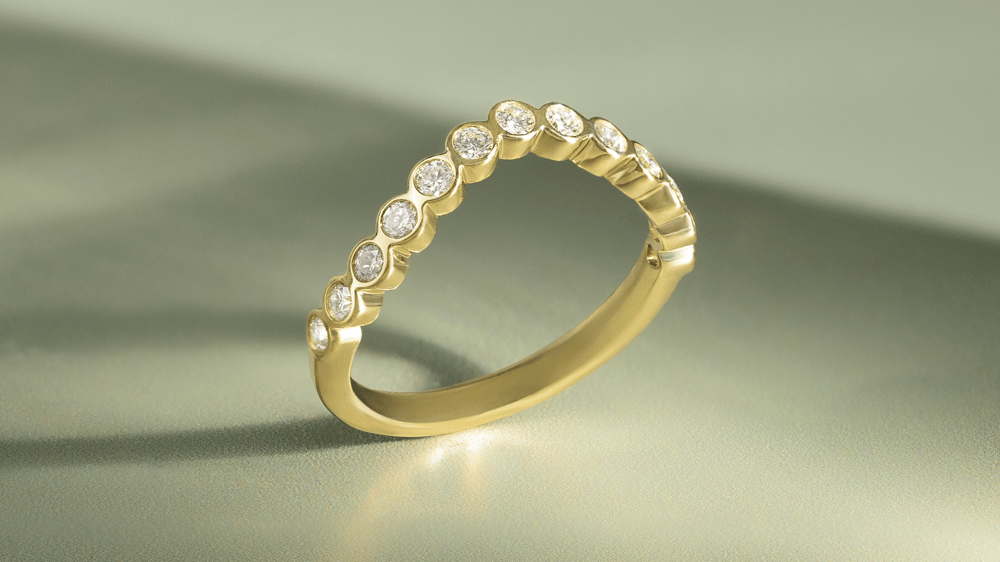
One of the most common questions we hear is: Can a curved band be worn alone? The answer is absolutely, yes. While curved bands are designed to nestle against an engagement ring, they’re just as beautiful as standalone pieces. Their elegant arc adds visual interest compared to a simple straight band, making them a statement piece in their own right. In fact, many couples choose curved bands as versatile pieces that can be dressed up with the engagement ring or down and worn alone.
Do I Need a Curved Band?
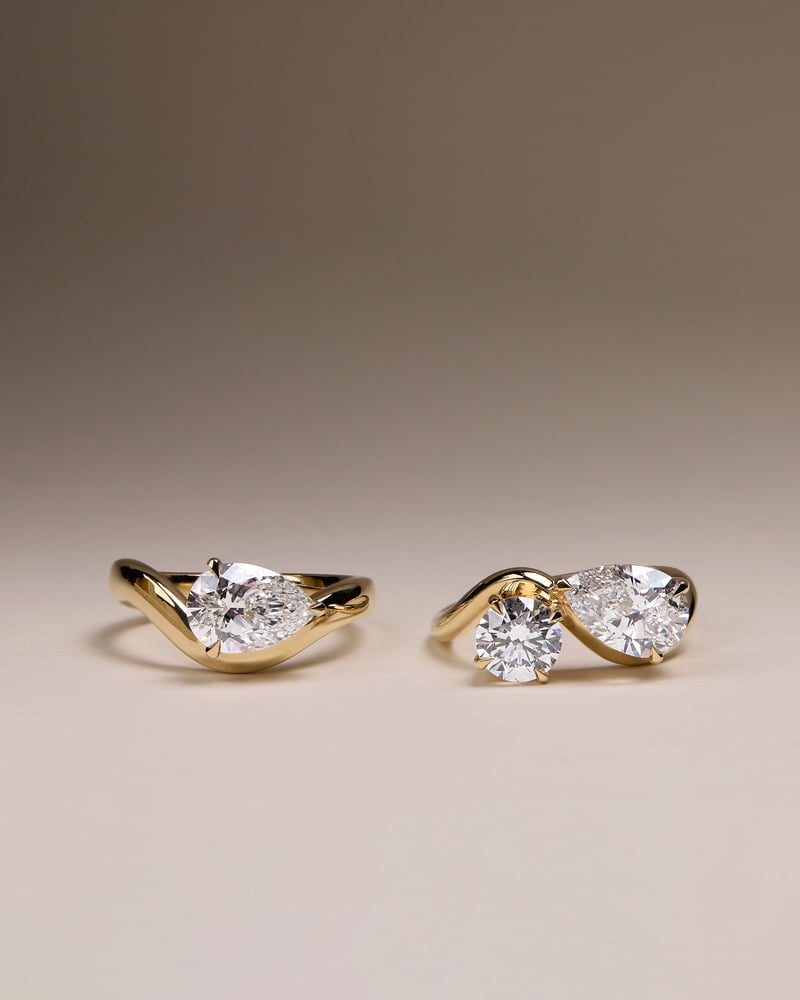
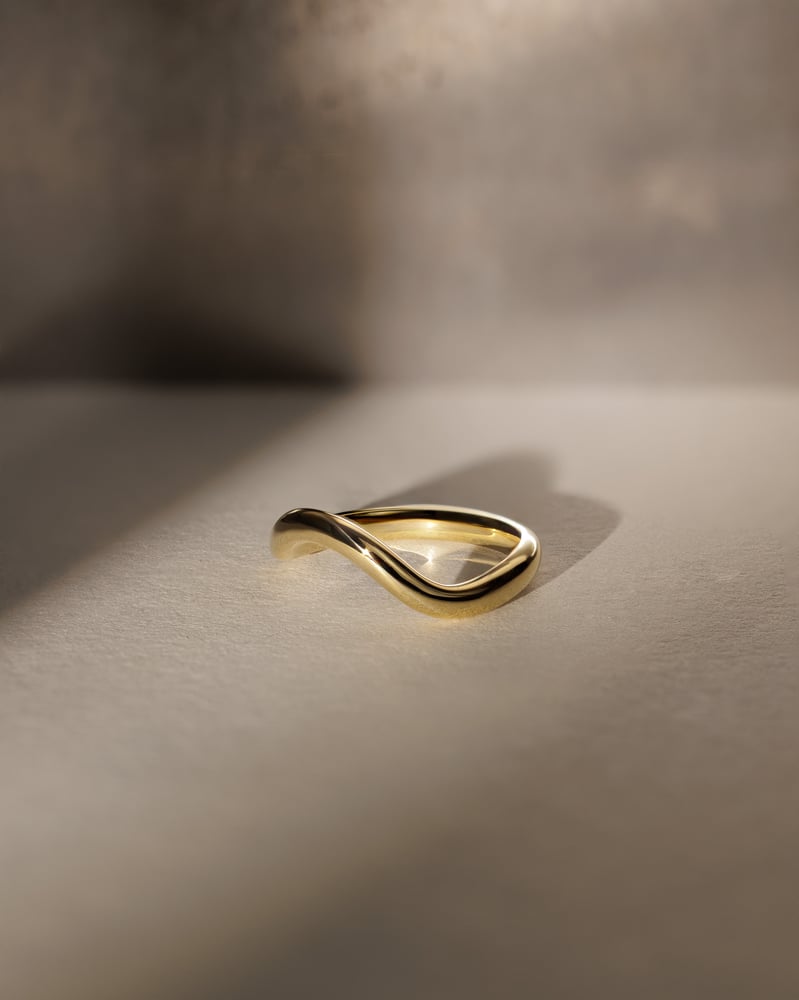
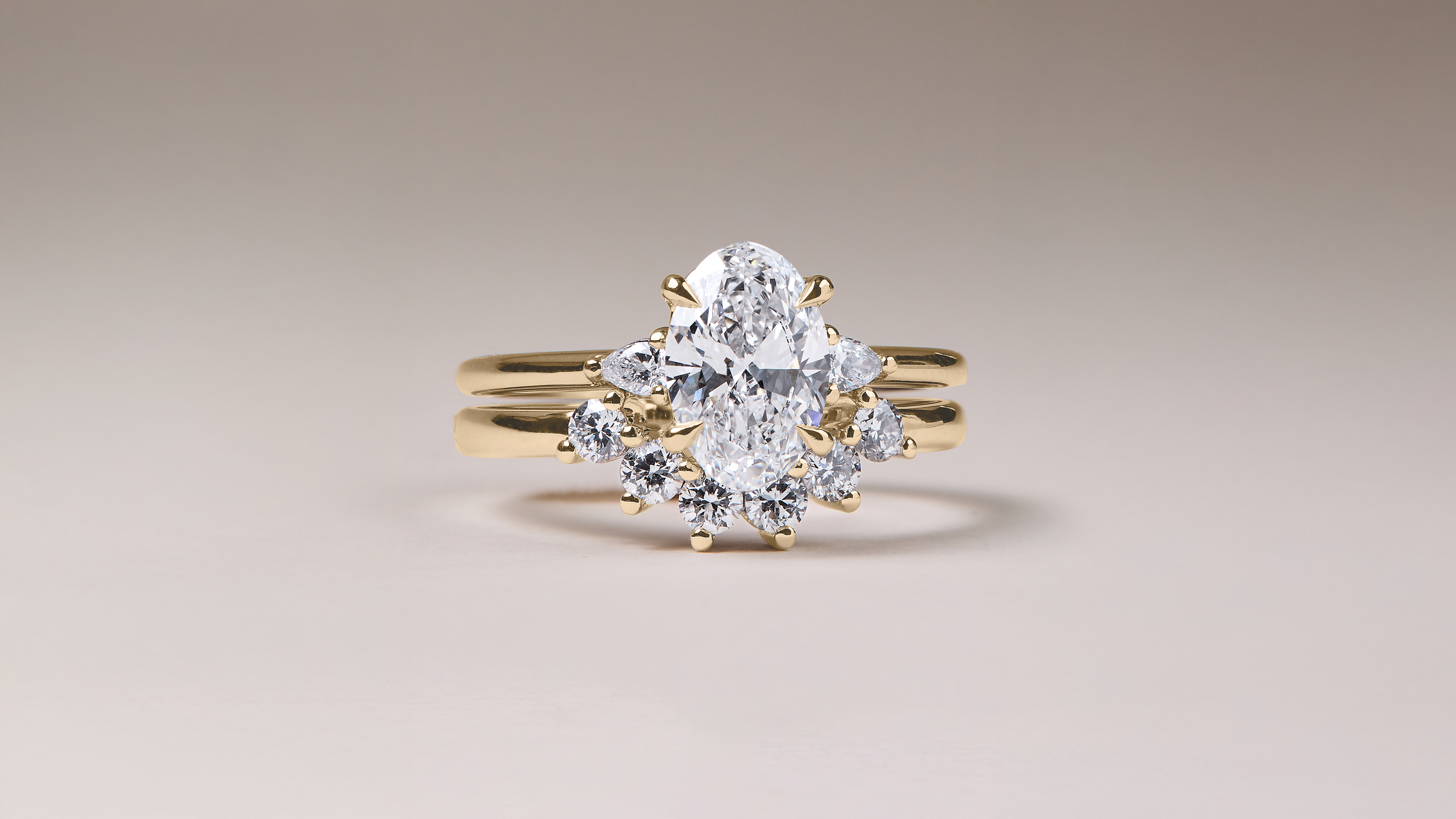
Engagement rings with large centre stones or unique silhouettes (like pears or marquise) often don’t sit flush against a straight band, leaving a gap between the two rings. In these cases, a curved wedding band is the ideal solution, creating a snug, harmonious pairing. If you prefer a perfectly symmetrical, stacked look, then yes, a curved band might be essential. But if you like the airy, modern effect of a small gap between rings, you may decide a straight band works just fine. The choice comes down to whether you want your rings to feel like two distinct pieces or one unified design. Many couples find that a curved band like our beautiful Ocea band or v-shaped band not only solves the practical issue of fit but also adds an extra touch of elegance.
What Shapes Suit Curved Bands?

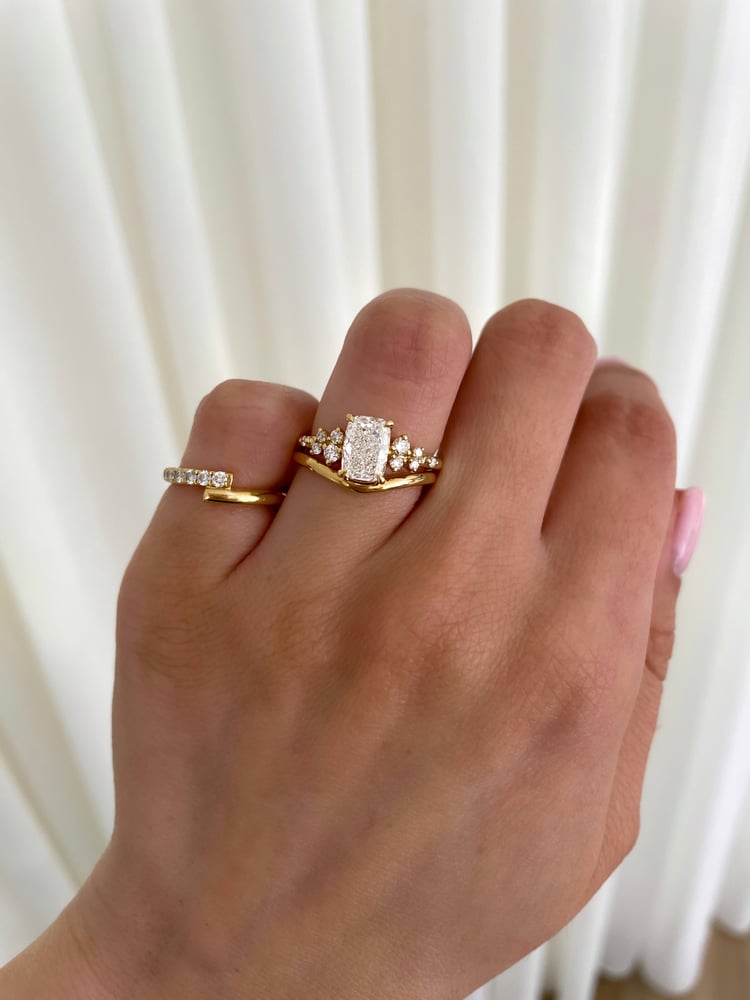
Curved bands are particularly well-suited for non-traditional engagement ring shapes that we’re seeing a surge of interest for now. Oval cuts thanks to their elongated shape often leave space at the top and bottom when paired with a straight band. A gently arched contour allows the band to hug the stone more closely, creating a clean, cohesive look. The same thing goes for pear shaped engagement rings like our Paris Pear Solitaire with Cathedral Bezel Setting. A wedding band like our Harper Accent Stones Curved Wedding Ring will fit against the ring perfectly, almost becoming part of the ring itself. Similarly, marquise diamonds have pointed ends and a dramatic shape, making them difficult to pair with a classic straight line wedding band. That said, curved bands can work with nearly any shape, depending on your desired look. The beauty lies in their versatility which is what is making them a popular choice for couples today.
How to Custom Design a Curved Band?
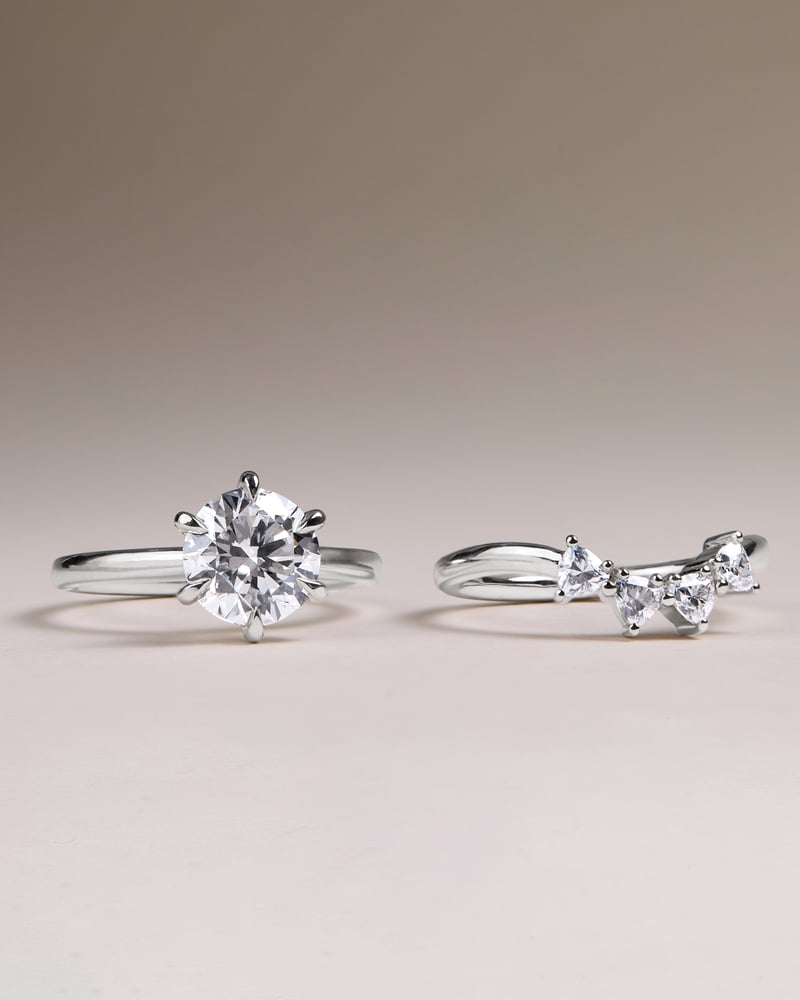
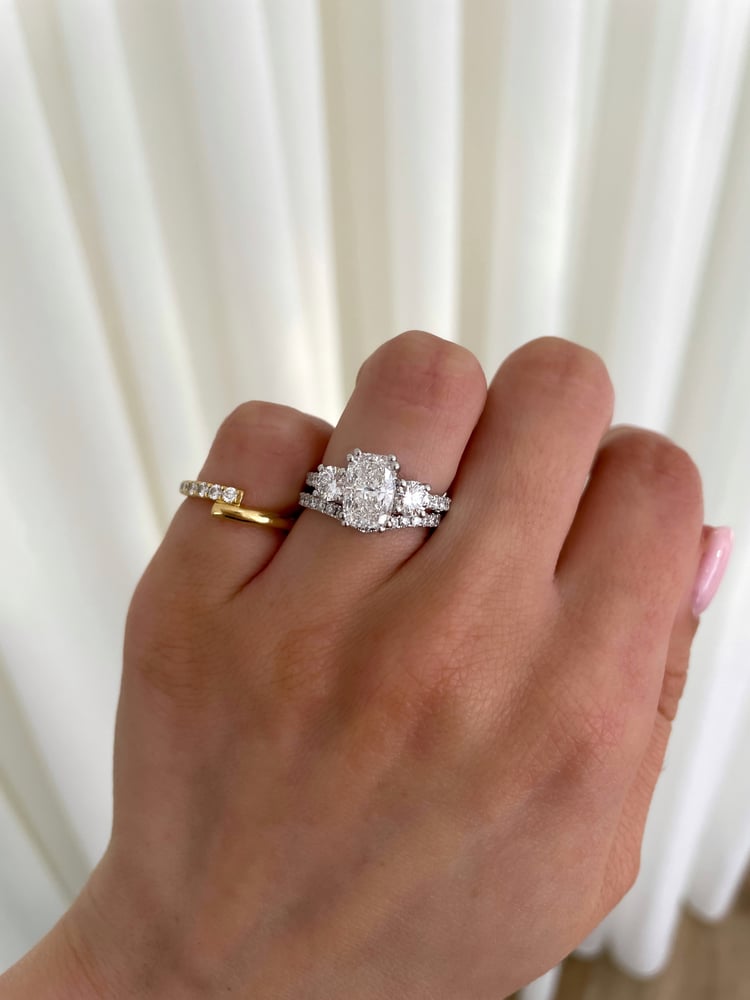
When it comes to finding the perfect wedding band, the decision often hinges on your engagement ring’s shape. Curved wedding bands are the go-to solution for intricate settings, and while straight bands remain classic, a curved or V-shaped band ensures your rings feel designed to belong together. No matter how outrageous the cut of your engagement ring, there is a wedding band design to fit perfectly next to it. We offer extensive customisation services at Cullen Jewellery, whether for an engagement ring, a wedding band or both to ensure the perfect pair. Get in touch with us directly to discuss the options, or book an appointment to try some pieces on.