The trellis setting is one of the most elegant and timeless engagement ring designs, and for good reason. Whether you’re drawn to a minimalist solitaire or a more elaborate three-stone design, a trellis engagement ring compliments many aesthetics. We’re exploring what makes this setting unique, which cuts it complements best, and how to pair it with a wedding band.
What is a Trellis Setting?
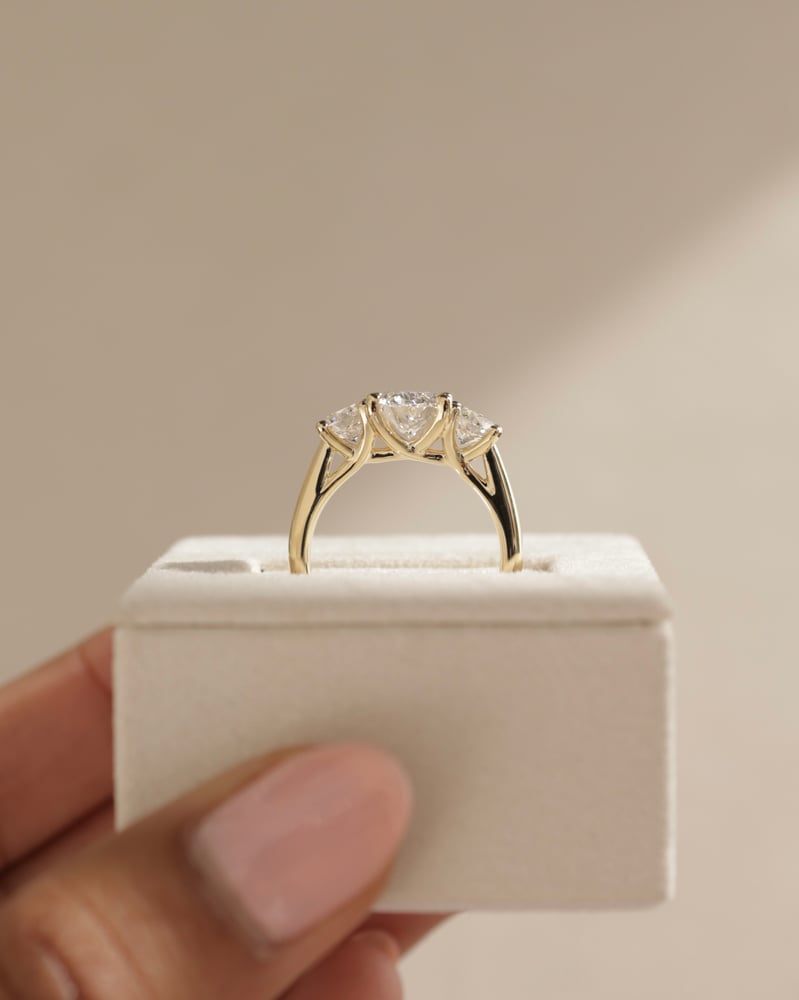
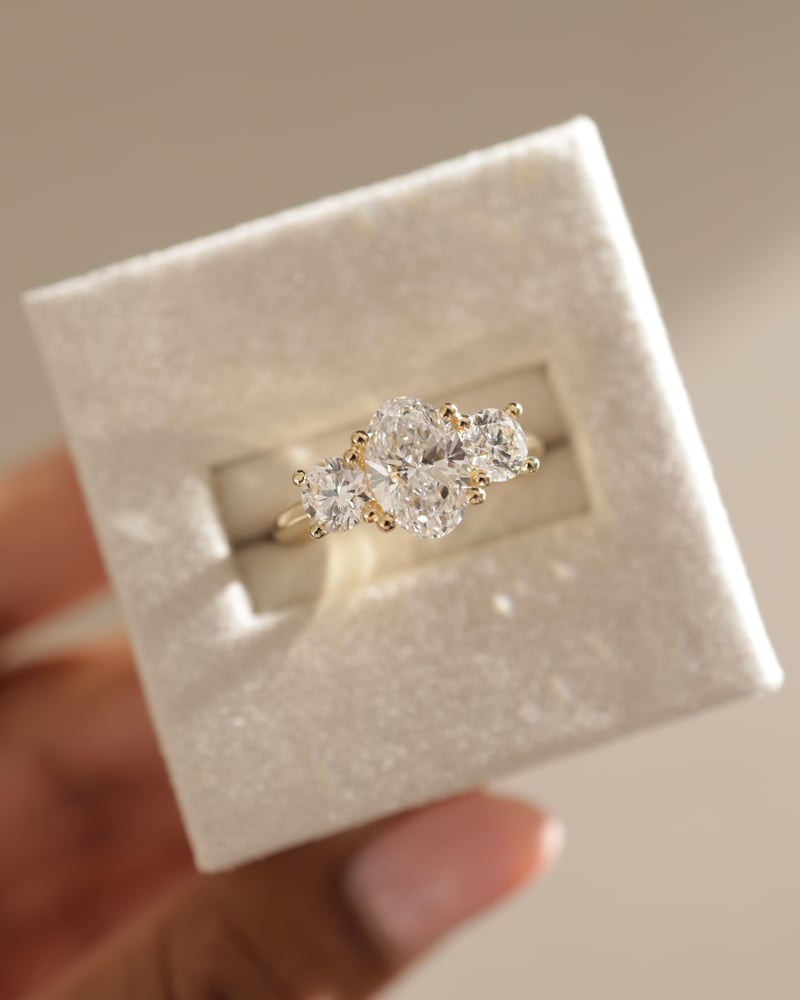
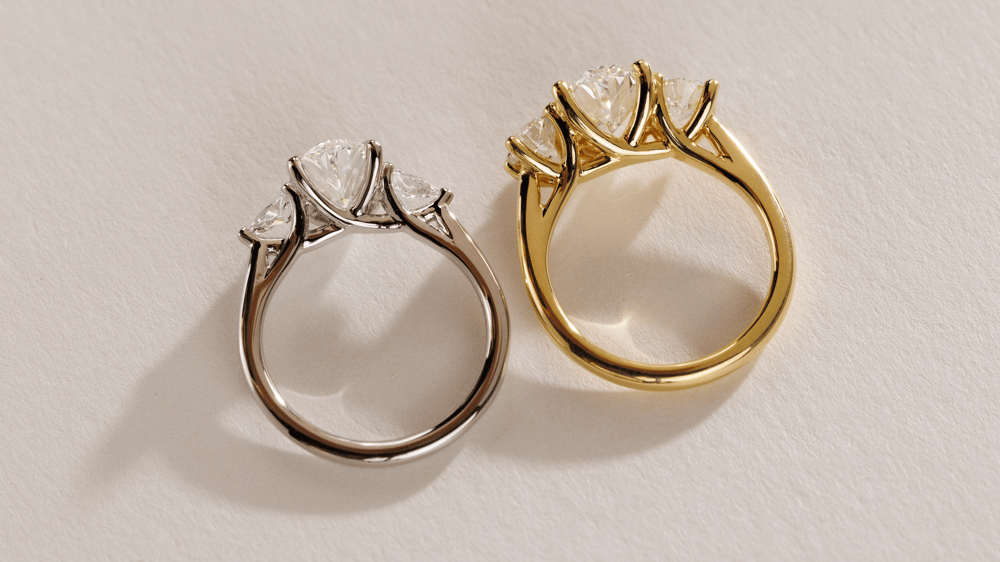
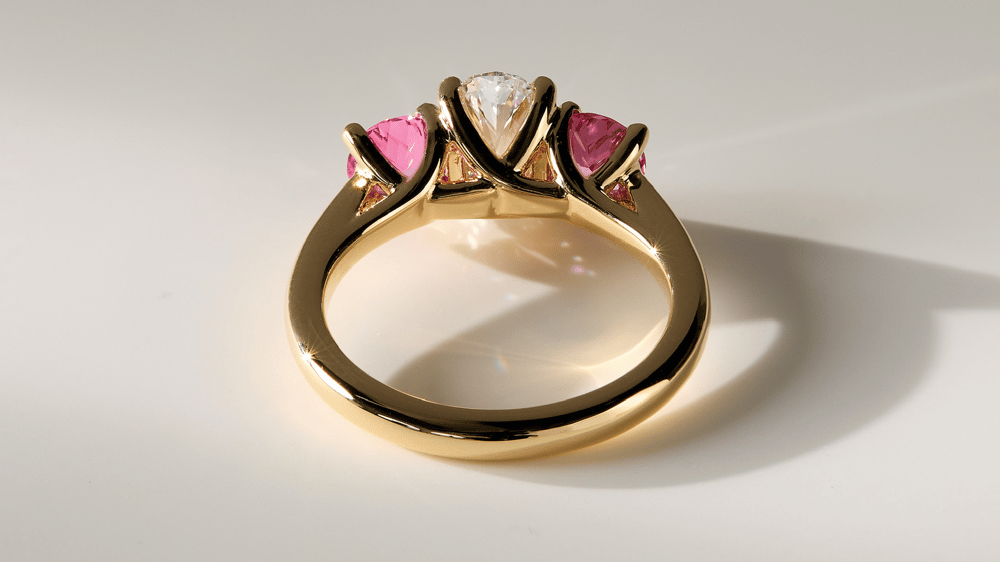
A trellis setting features four interlocking prongs that cross over each other in a criss-cross pattern to hold the centre stone in place. These prongs rise from the band and meet in the middle, creating a delicate yet secure "basket" that lifts the diamond slightly above the band. This criss-cross prong setting is both structural and sculptural making the ring as visualising appealing from the side as face-on.
A trellis solitaire ring keeps the focus on a single centre diamond, while a three stone trellis ring showcases a trio of stones with seamlessly interwoven prongs that create a flowing, unified design. Either way, the result is an engagement ring that looks polished, romantic, and refined.
Trellis Setting Vs Cathedral Setting: What’s the Difference?
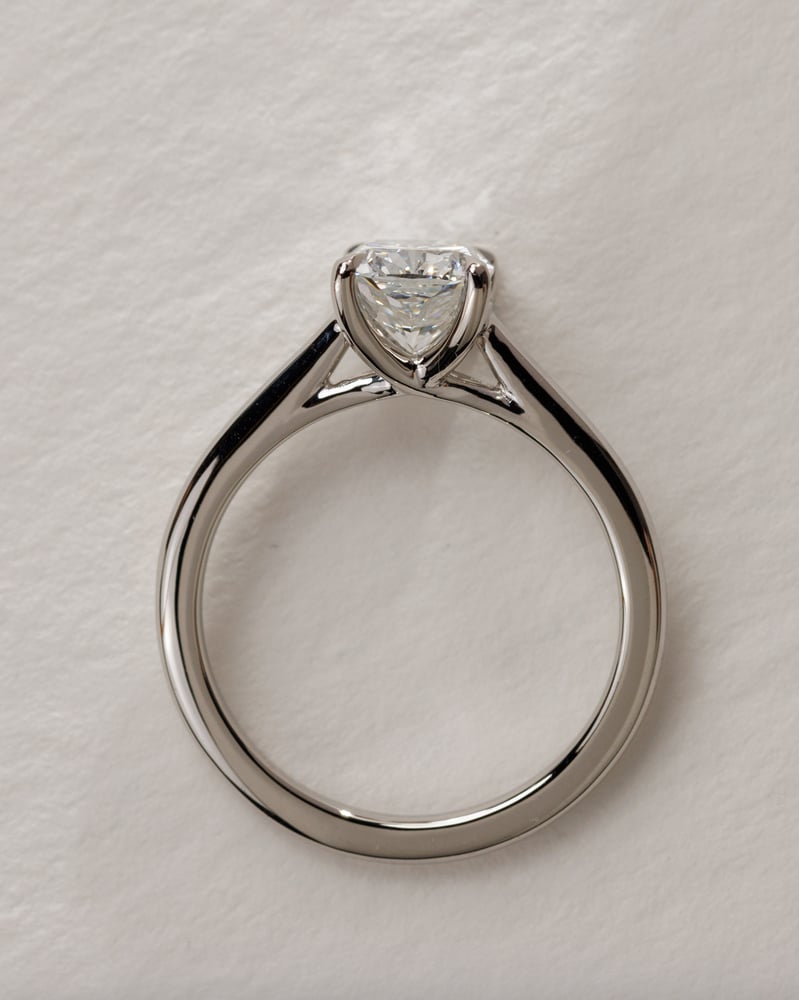
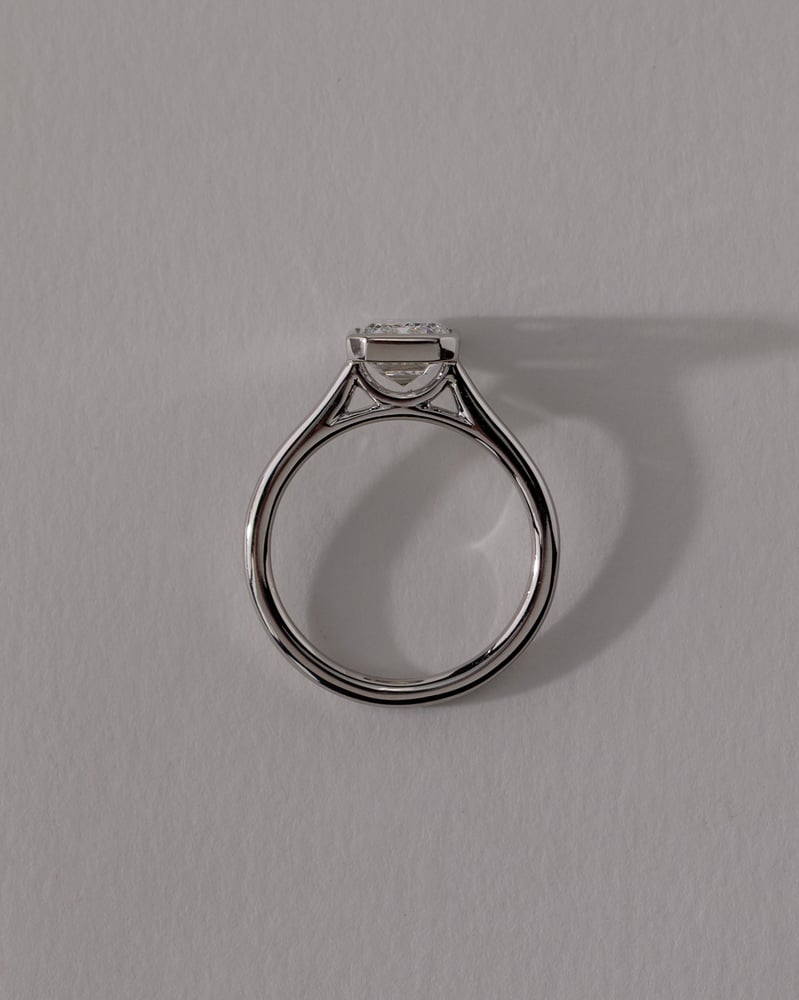
When choosing an engagement ring setting, two comparable settings are the trellis setting and the cathedral setting. While they may appear similar at first glance, their design and structural details set them apart.
The trellis is typically lower-set than a cathedral, making it ideal for those who want a secure, practical ring with a sleek profile. It also provides excellent protection for the diamond, thanks to the way the prongs are integrated into the structure of the band. In contrast, a cathedral setting elevates the centre stone using arches of metal that rise from the band – like the architecture it’s named after. This design gives the diamond a lifted appearance, often making it look larger and more prominent.
Which Diamond Cut is Better for a Trellis Setting?
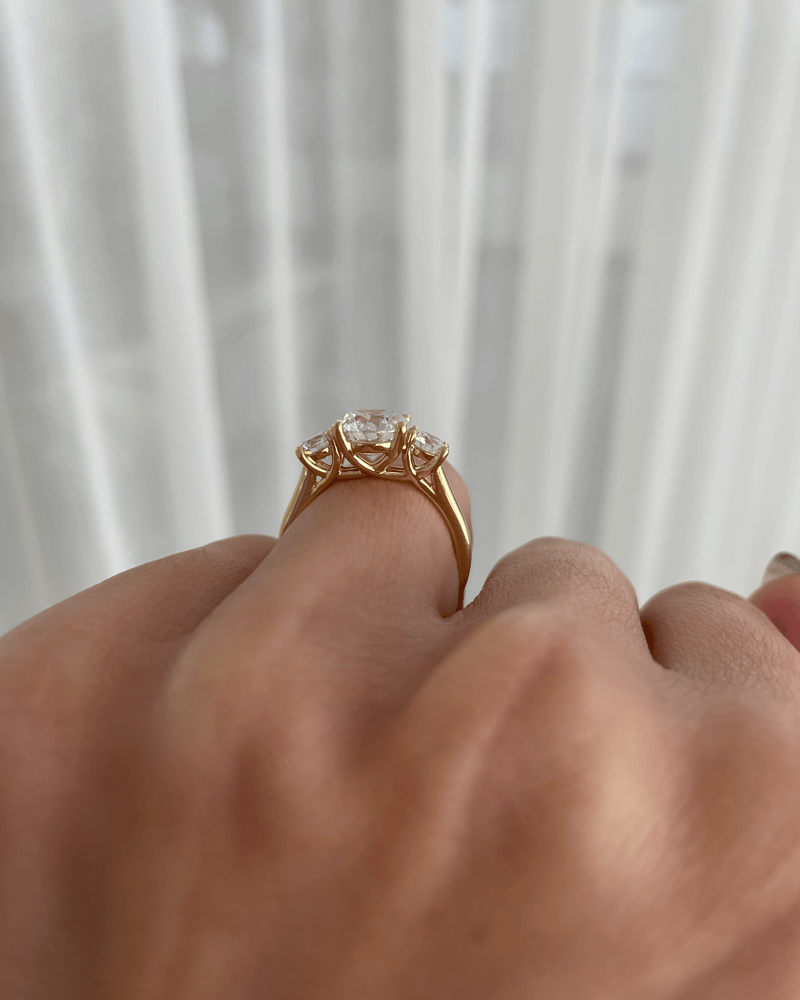
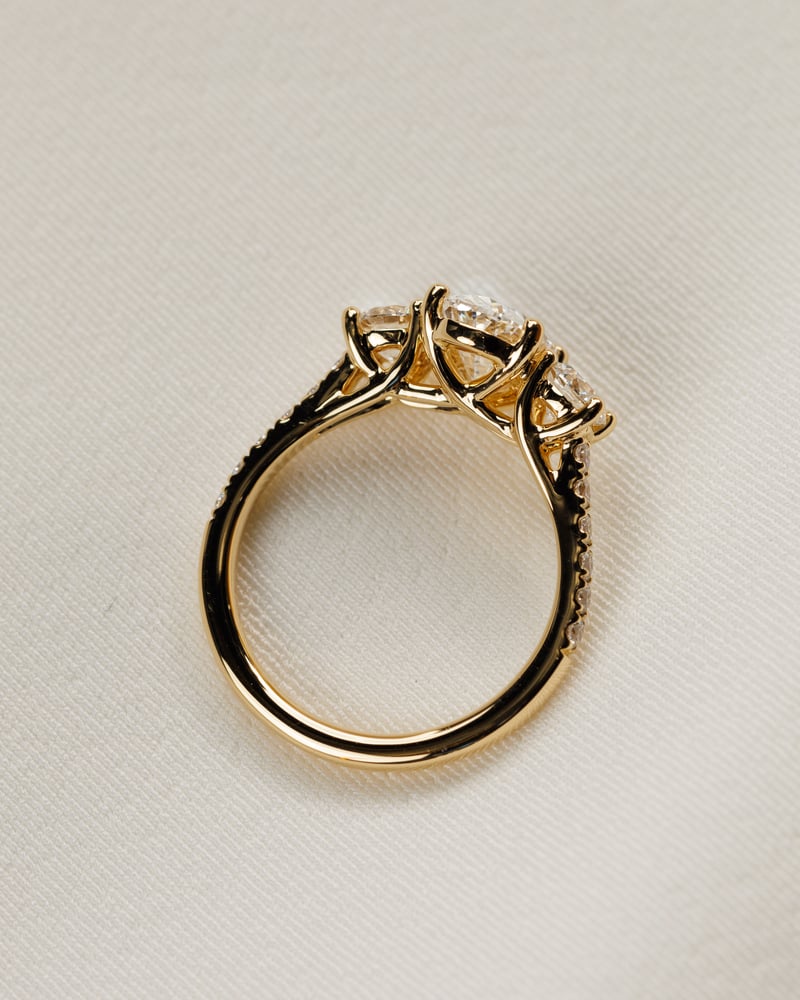
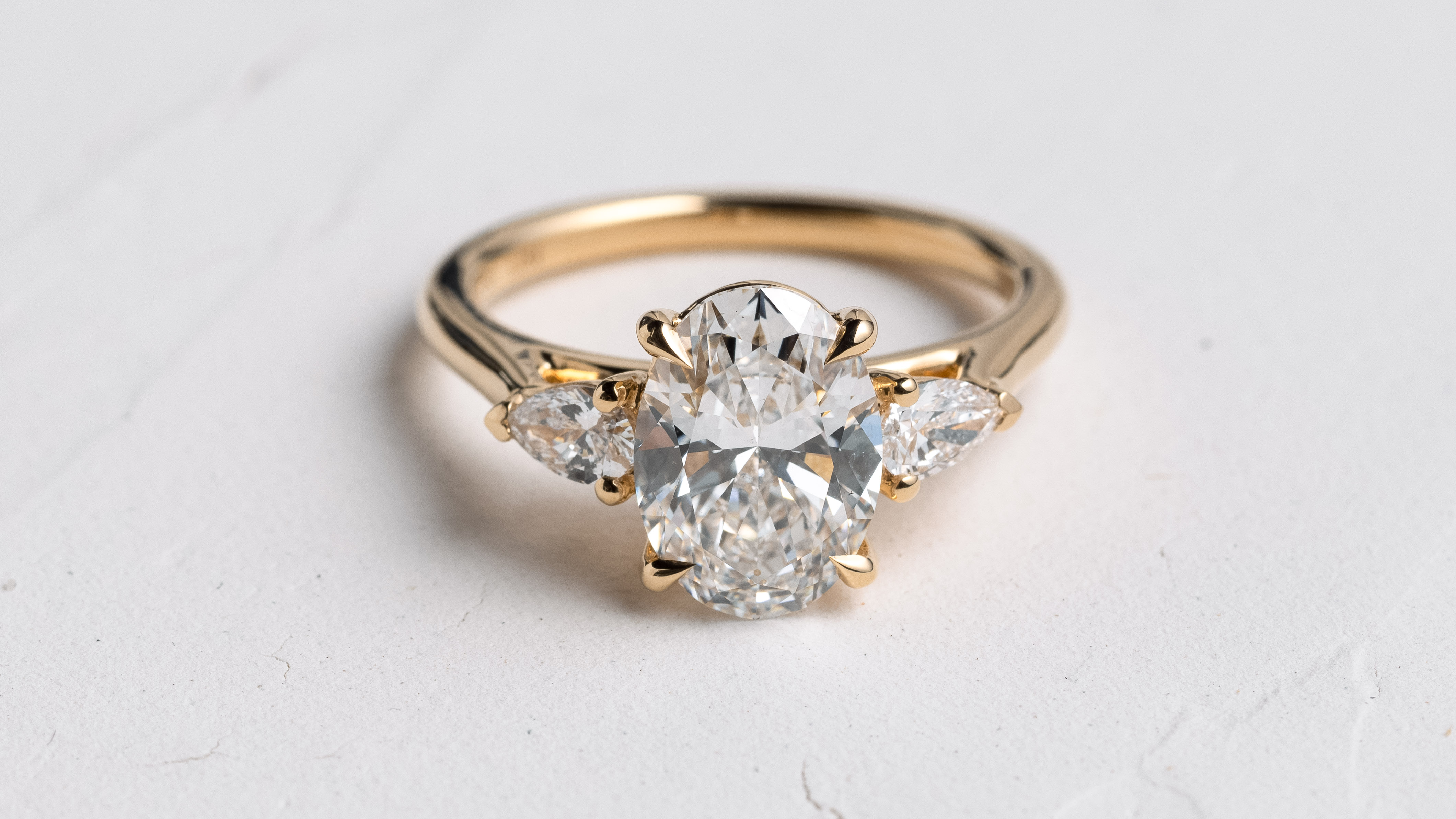
Thanks to the curved nature of the trellis design, it works particularly well with rounded and softly shaped diamonds. Cuts like round brilliant, oval, and cushion tend to look especially beautiful in this setting, as the prongs naturally curve up and around the stone. A great example of this beauty is our Grace Trellis Oval Trilogy ring displaying this classic setting with the ever-popular oval cut diamonds.
That said, the trellis setting isn’t limited to round cuts. A trellis diamond ring can also showcase angular stones like princess, emerald, or radiant cuts, depending on the design. For step-cut diamonds like emeralds, a custom trellis engagement ring may be crafted with geometric or tapered prongs that echo the clean lines of the stone.
Which Wedding Bands Pair With a Trellis Setting?
The key is balance here is balance. Let the trellis setting shine while the wedding band complements it. One of the main trellis ring setting benefits is that it offers some flexibility in how you pair your wedding band. A classic flat or slightly curved wedding band like our Ashton Plain Wedding Ring will sit flush or nearly flush against the engagement ring.
For contrast, pair a trellis style engagement ring with a pavé diamond band for added sparkle and drama. The Kaitlyn Half Pavé Wedding Ring is a great example. It is minimal and allows for the trellis setting design to be seen from all sides without being covered or overpowered by the wedding band.
The trellis setting engagement ring continues to charm couples looking for something both classic and creative. Whether you’re set on a trellis setting, or looking to explore - the only way to know whether its the dream ring for you is to speak to an expert. Get in touch with our team here to book an in-person or virtual appointment.