All about Diamond Inclusions: Types, Where They Appear, and How They Affect Sparkle
— by Cullen Jewellery — Reading time 3 minutes
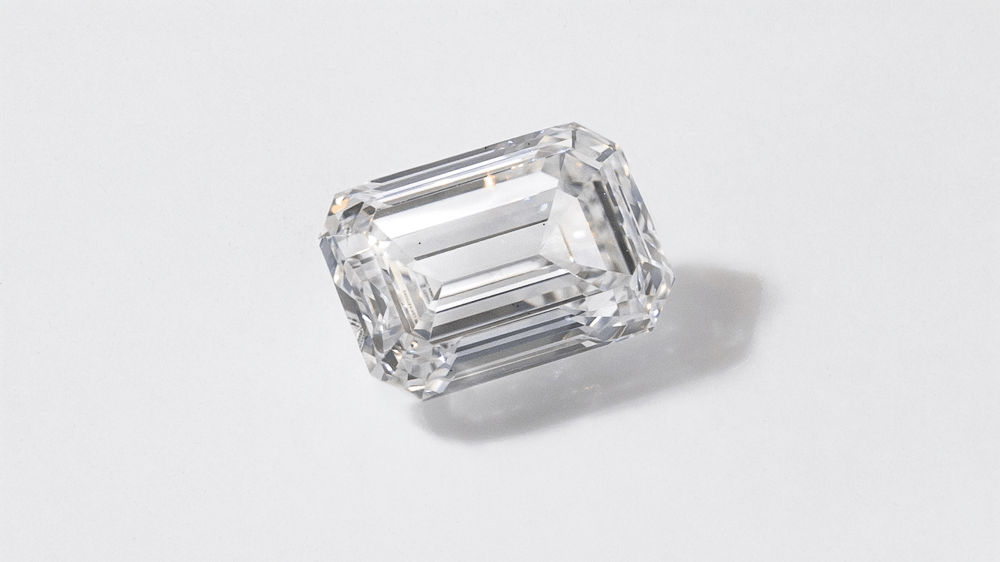
Diamond inclusions are natural characteristics formed as a diamond grows, whether it is mined or lab-grown. You can think of them like tiny birthmarks created during the formation process. Almost every diamond has them, and a diamond with no inclusions at all is exceptionally rare, commanding a much higher price. That is also why clarity should always be considered in context. While a higher clarity grade may sound appealing on paper, many diamonds with small inclusions still appear completely flawless to the naked eye. For most buyers, the real goal is not perfection under magnification, but an eye-clean diamond that looks beautiful in everyday wear.
Why Inclusions Matter
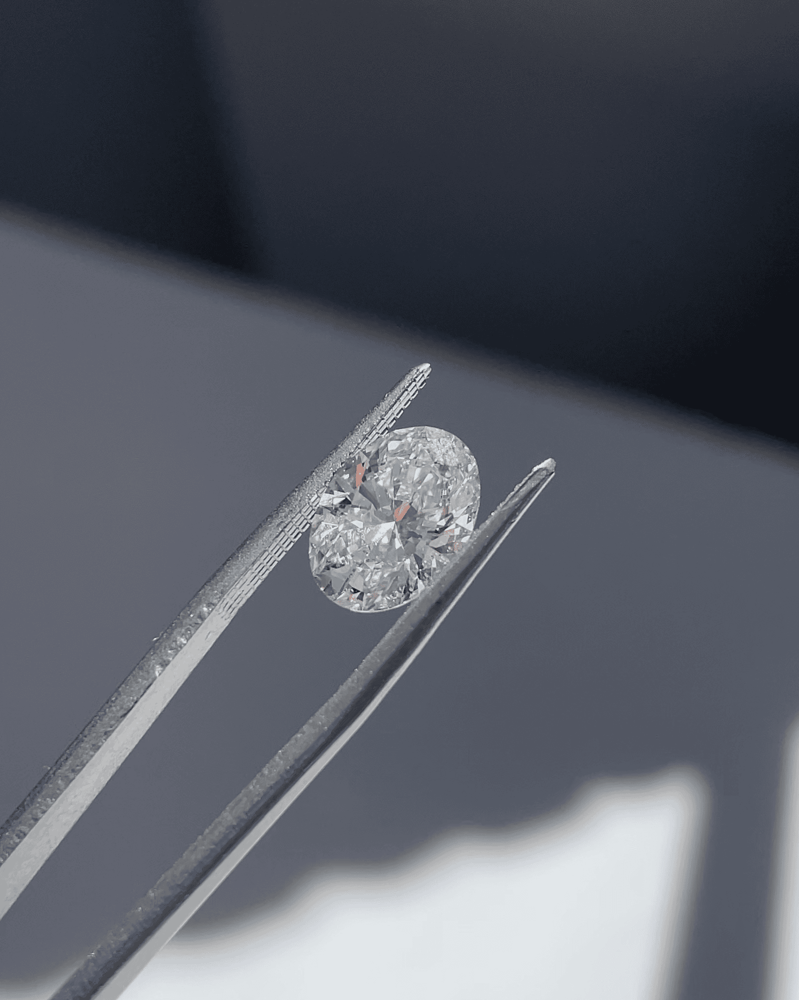
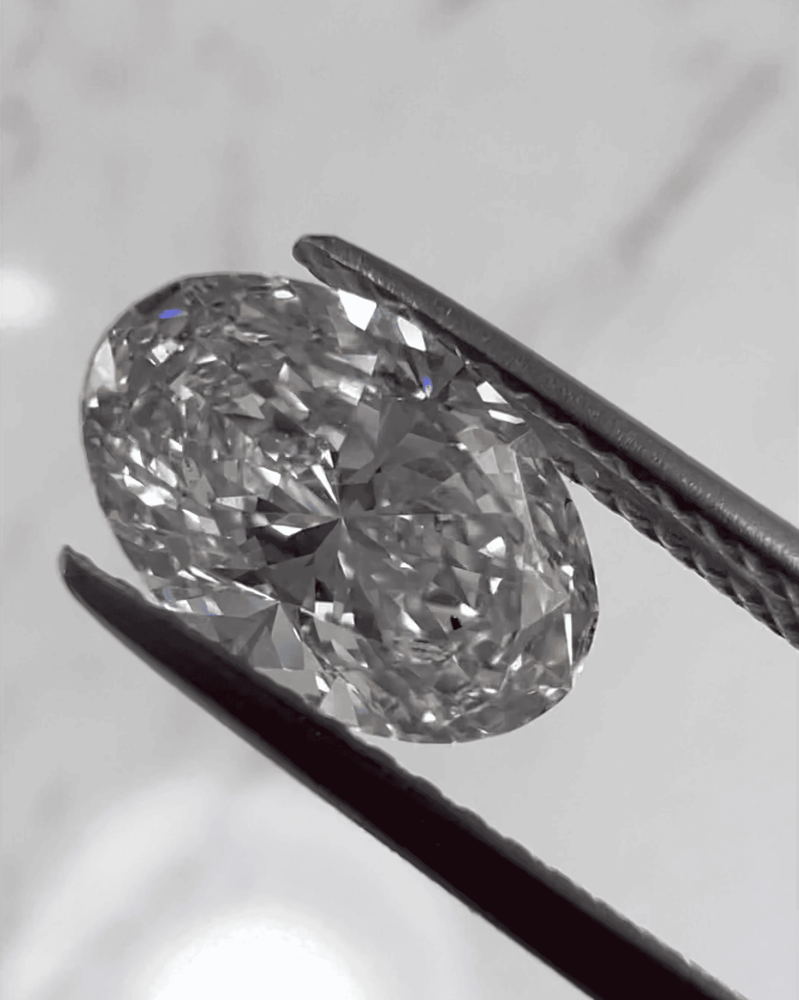
Inclusions matter because they influence a diamond’s clarity grade, which can affect price and, in some cases, appearance, brilliance, or durability. But not all inclusions have the same impact. A tiny pinpoint hidden near the edge of a diamond is very different from a dense cloud under the table or a large feather reaching the surface. That is why two diamonds with the same clarity grade can look noticeably different. The most important thing is not the grade alone, but whether the inclusion affects the diamond’s beauty in real life.
The Most Common Types of Diamond Inclusions
Pinpoint
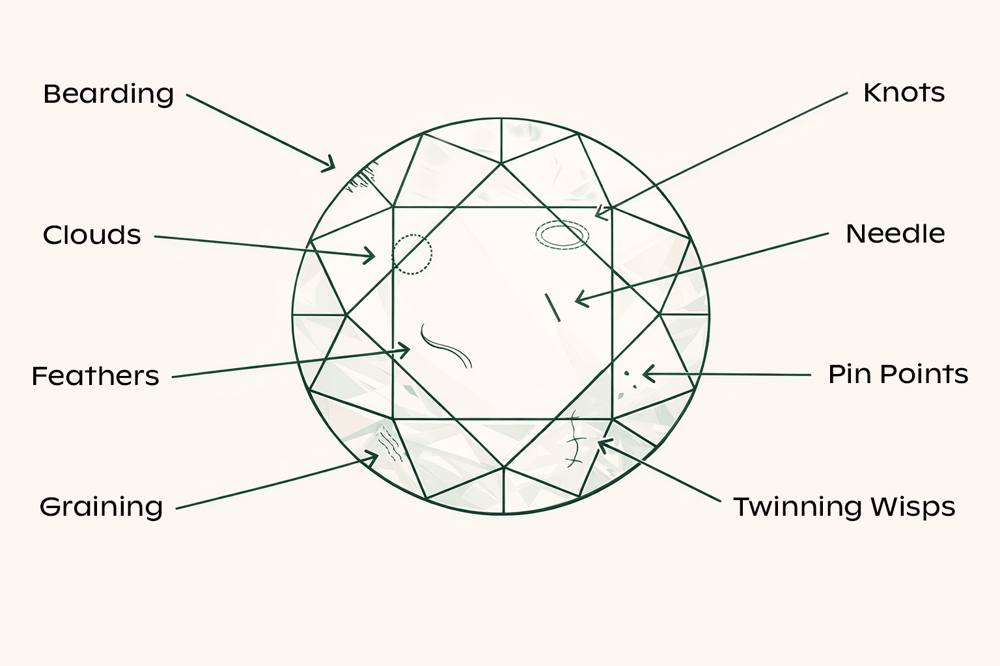
Pinpoints are the most common type of diamond inclusion. These are tiny white or black marks that appear like microscopic dots under magnification. On their own, they rarely affect beauty and are often impossible to see without a loupe.
Cloud
A cloud is a cluster of very small pinpoints grouped closely together. If the cloud is light and sparse, it may have little to no visible effect. If it is dense or centrally located, it can create a hazy appearance that reduces sparkle.
Feather
A feather is a small internal fracture. Many feathers are harmless, especially when they are small or positioned near the edge of the diamond. However, if a feather is large or reaches the surface, it can become more important from a durability perspective.
Cavity
A cavity is an opening on the surface of the diamond. These can form when an internal inclusion falls out during polishing. Small cavities may not be noticeable, but larger cavities or those in prominent positions can affect both appearance and cleanliness.
Knot
A knot is a crystal inclusion that reaches the surface of the diamond. These are generally less desirable because they can affect both the look and structural integrity of the gemstone. They are also more likely to be visible without magnification.
Do Lab-grown Diamonds Have Inclusions?
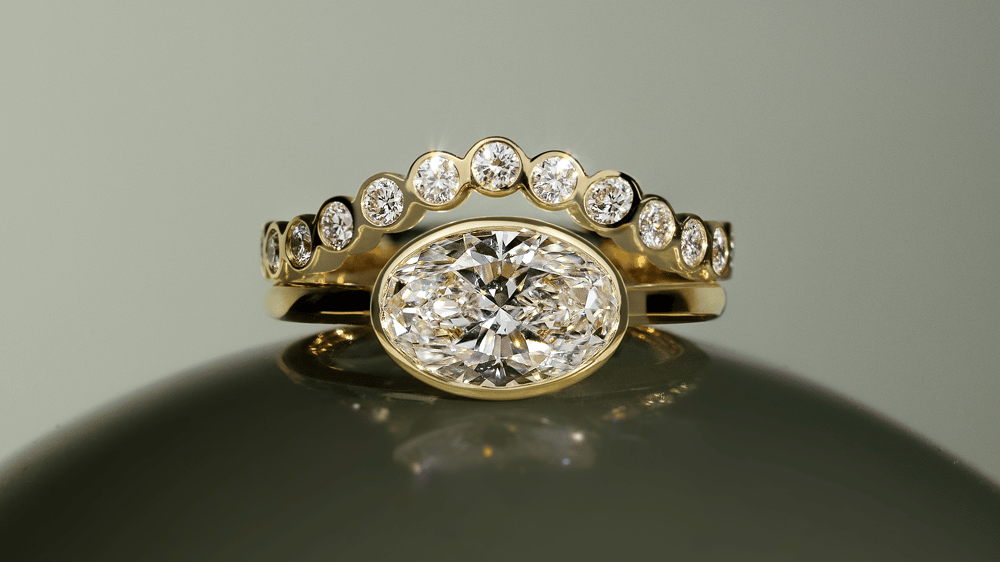
Yes, lab-grown diamonds can absolutely have inclusions. While many people assume a laboratory-created diamond should be flawless, that is not the case. Lab-grown diamonds develop internal characteristics during growth, just like mined diamonds do, and they are graded using the same clarity standards. They can display many of the same inclusion types, with the only real difference being origin. Rather than assuming one option will be inclusion-free, it is far more useful to focus on how the diamond looks, how it performs, and whether it offers the right balance of beauty and value for your budget.
Can Diamond Inclusions Get Worse Over Time?
In most cases, no. Diamond inclusions are stable, permanent characteristics that do not spread, darken, or become more visible over time. Internal inclusions such as pinpoints usually remain exactly as they are. That said, some surface-reaching inclusions deserve closer attention. A feather near the edge of a diamond, for example, may be more vulnerable if the diamond experiences a hard knock in that exact spot. Cavities can also collect dirt, which may make them appear darker until the diamond is cleaned. This is why expert guidance matters, because the real question is not whether a diamond has inclusions, but whether those inclusions are likely to affect beauty or wear.
Diamond Clarity Grades Explained
Flawless (FL)
No inclusions or blemishes visible under 10x magnification. Exceptionally rare.
Internally Flawless (IF)
No inclusions visible under 10x magnification, though minor surface blemishes may be present.
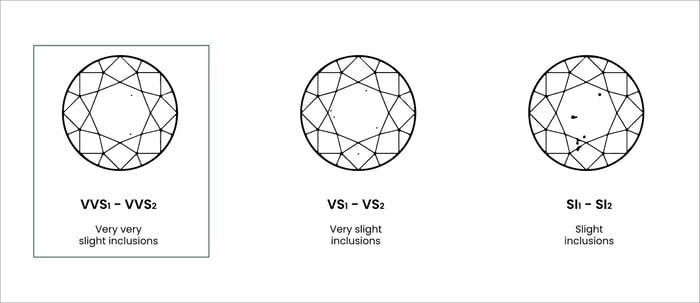
Very Very Slightly Included (VVS1-VVS2)
Inclusions are extremely difficult to detect, even under magnification.
Very Slightly Included (VS1-VS2)
Minor inclusions visible under 10x magnification. Many diamonds in this range are eye-clean.
Slightly Included (SI1-SI2)
Inclusions are easier to detect under magnification. Many SI1 diamonds and some SI2 diamonds still appear eye-clean.
Included (I1-I3)
Inclusions may be visible to the naked eye and can affect transparency, brilliance, or durability.
How Inclusions Affect Sparkle
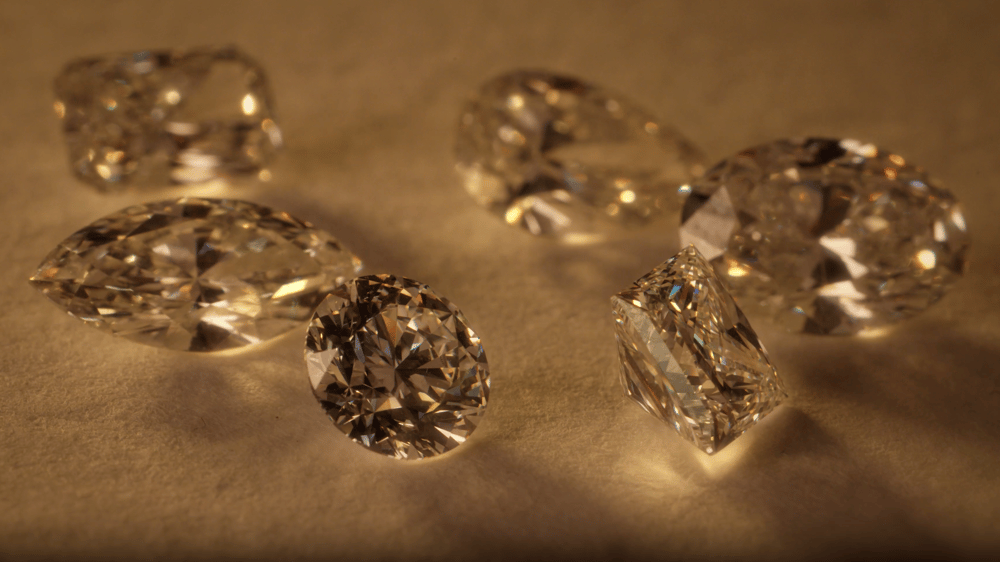
This is the question most buyers really want answered. In most diamonds, inclusions have little to no visible impact on sparkle, and small transparent inclusions often make no difference at all once the diamond is set and viewed in everyday light. However, some inclusions can affect performance. Dense clouds can make a diamond look milky, larger inclusions under the table can interrupt light return, and surface-reaching inclusions can sometimes raise durability concerns. Even so, clarity is not the main driver of sparkle. Cut quality has a far greater influence on brilliance, which means a beautifully cut SI1 diamond can appear more lively and radiant than a poorly cut VVS diamond. The best diamond is not always the one with the highest clarity grade, but the one that looks the most beautiful to your eye.
What Clarity Should You Choose?
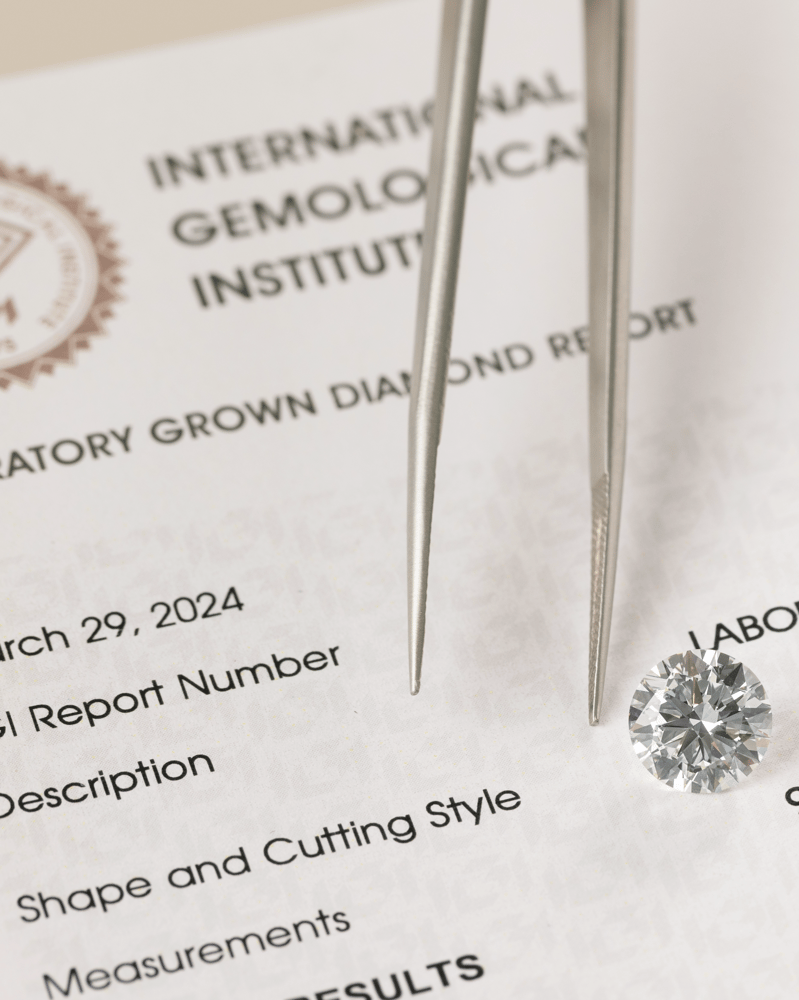
For many buyers, the sweet spot is an eye-clean diamond in the VS or the VVS range. This is often where you will find the best value, with a diamond that looks stunning without the premium price attached to Internally Flawless. Instead of paying more for perfection you may never see, focus on visible beauty, strong cut quality, and inclusions that do not interfere with sparkle. The best diamond is not the rarest one on a grading report. It is the one that delivers the most beauty for your budget. At Cullen Jewellery, you can explore a wide range of gemstones and compare clarity options with confidence. If you would like help choosing a diamond that is eye-clean, beautifully cut, and aligned with your budget, book an appointment with our team below.
If you would like help choosing a diamond that is eye-clean, beautifully cut, and aligned with your budget, book an appointment with our team below.