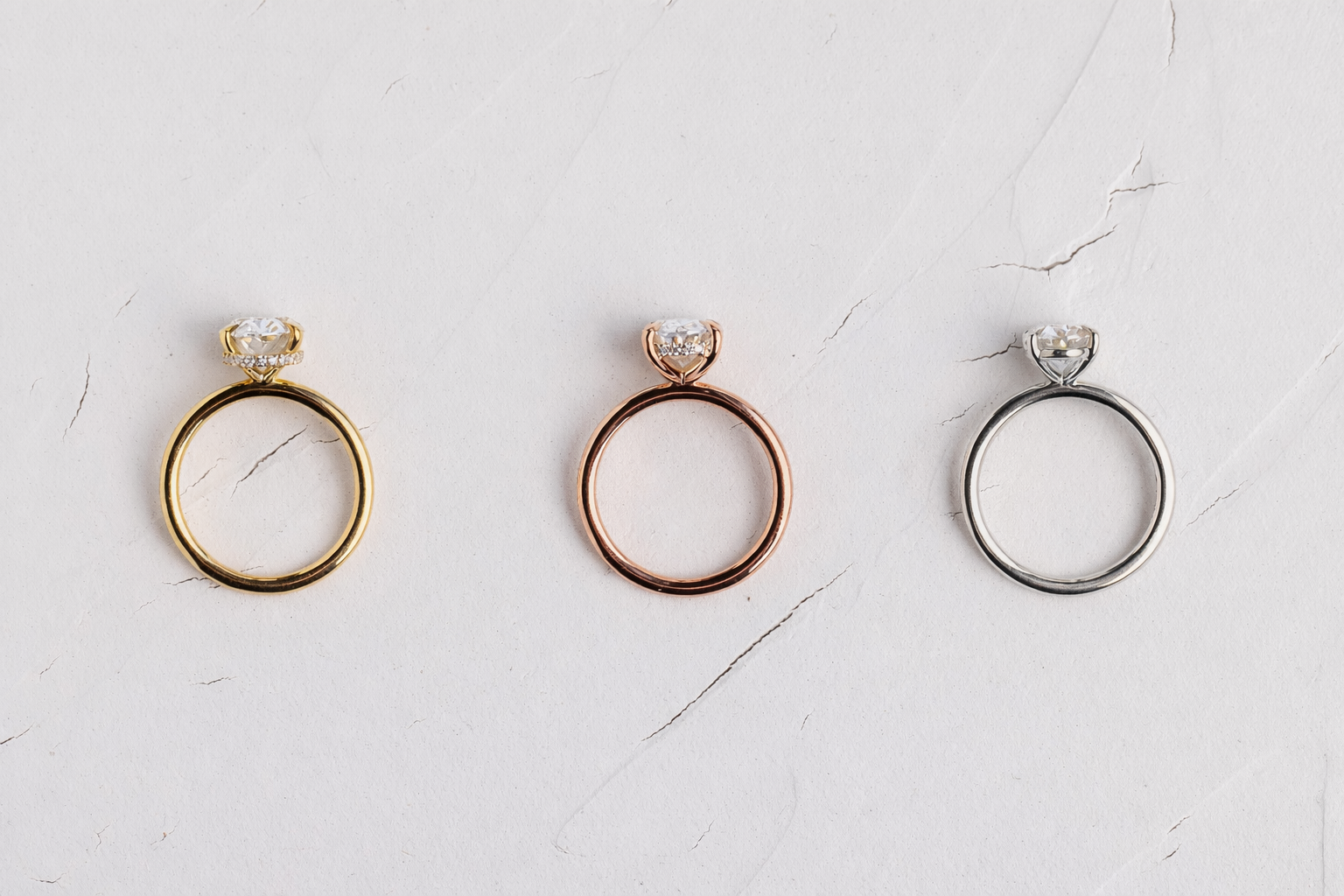
Of all the choices that shape a ring, karat is one of the most understated – and one that still makes a meaningful difference. Karat refers to the proportion of pure gold within a piece: a small numerical detail that quietly determines colour, strength and how the metal wears over time. In yellow gold, those differences are subtle, but meaningful. Understanding the distinctions between 9k, 14k and 18k yellow gold allows you to choose a ring that not only looks right, but lives well – moving comfortably through everyday wear while holding its beauty for years to come.
Understanding Gold Karats
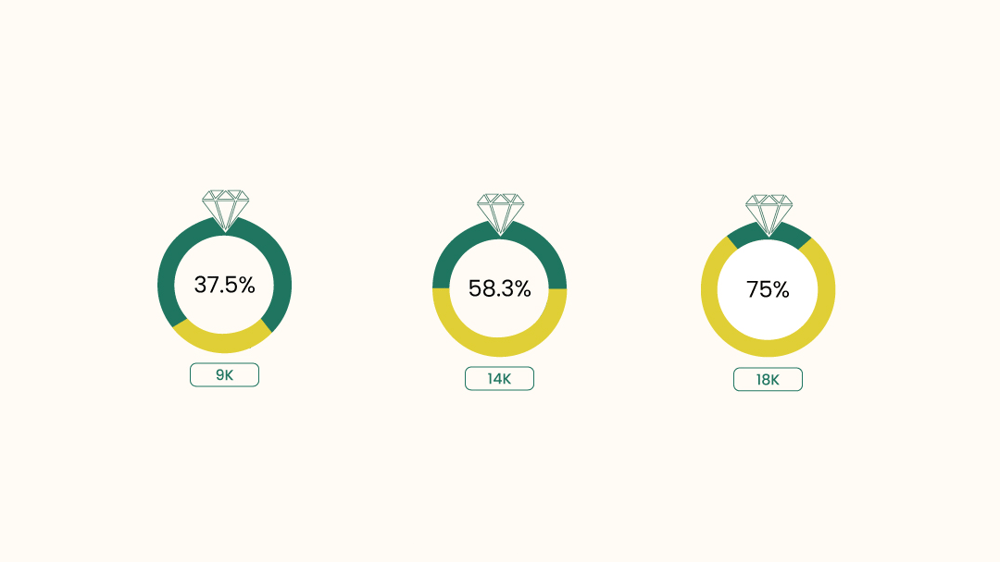
Pure gold is naturally soft. To make it suitable for jewellery worn daily, it is alloyed with other metals. This process increases strength and stability, while also influencing the final colour of the gold. Gold purity is measured in karats (k), indicating how much pure gold is present within the alloy:
A higher karat means a greater gold content and a warmer tone. But it also affects how the metal wears: higher purity means a softer metal. The right choice shapes how the ring will be worn, not just how it appears at first glance.
9k Yellow Gold
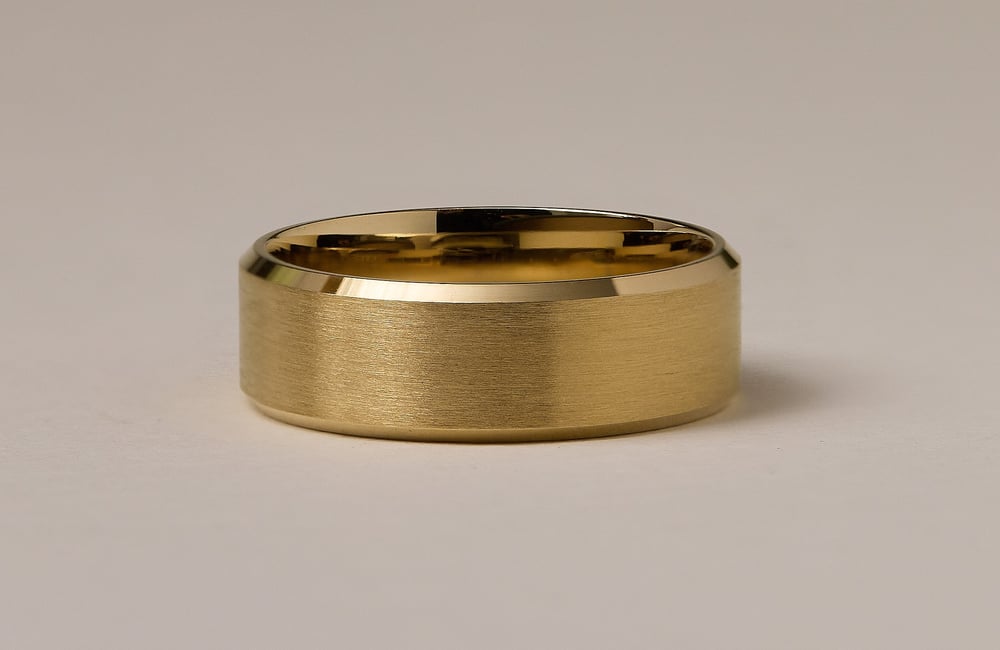
9k yellow gold contains a higher proportion of alloy metals, making it the most durable option. It’s more resistant to everyday knocks and scratching, and well-suited to active lifestyles. Its colour is lighter and less saturated than higher karats, offering a subtler expression of yellow gold.
14k Yellow Gold
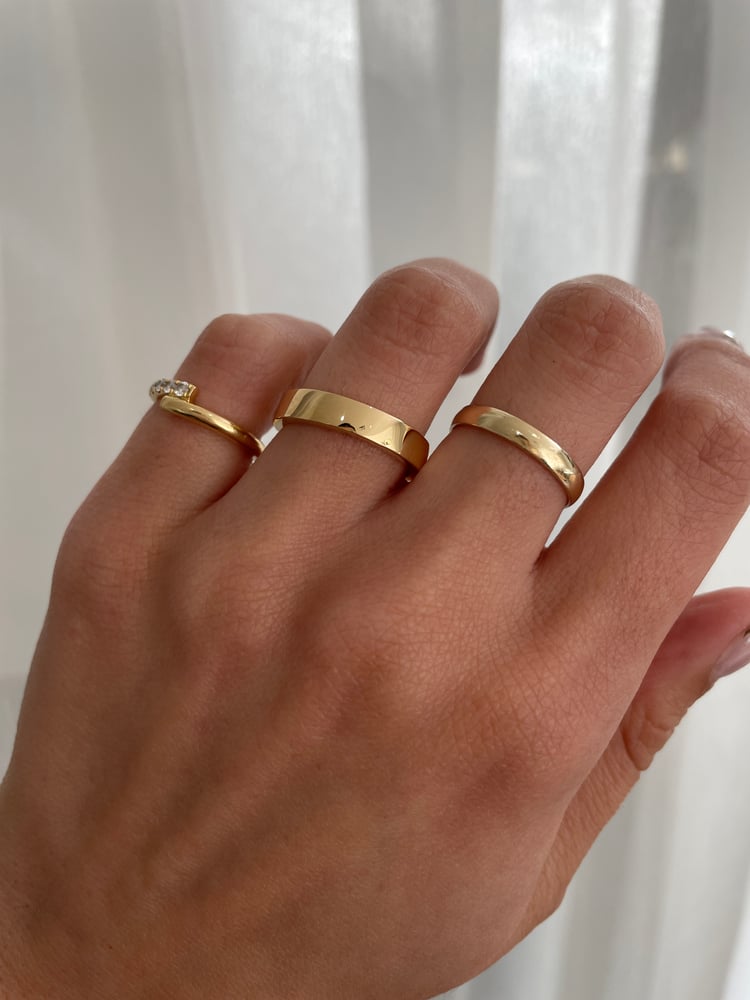
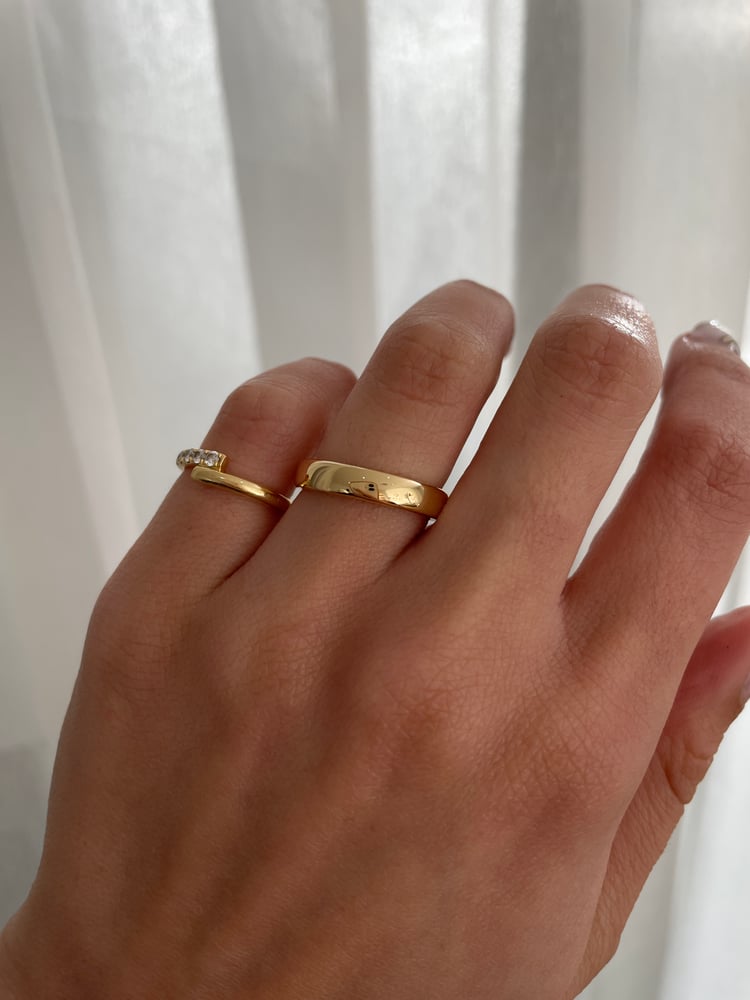
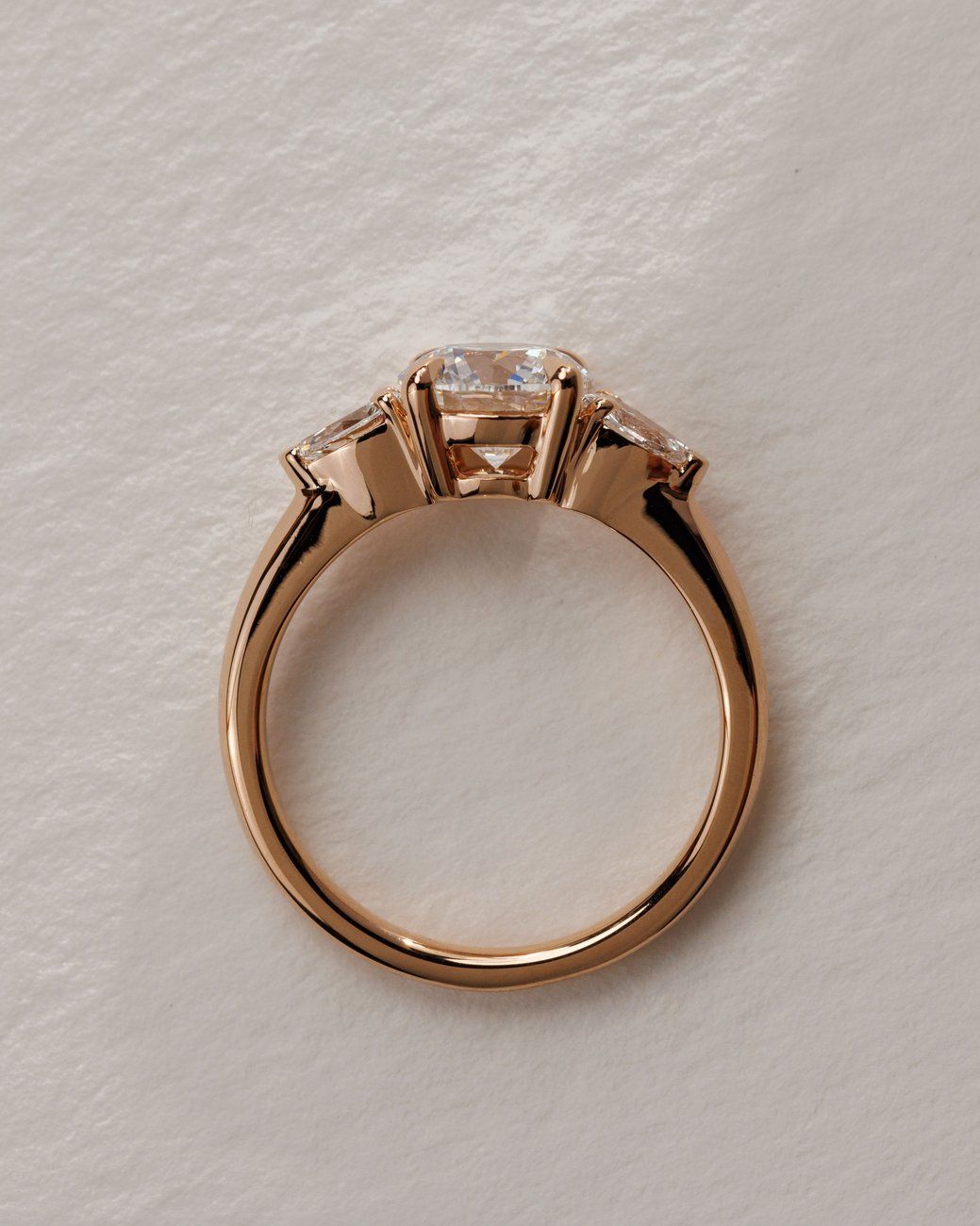
14k yellow gold sits between durability and richness. It offers a deeper tone than 9k while maintaining excellent wear resistance, making it a practical and popular choice for engagement rings and wedding bands worn daily. For many, it represents balance – strength without sacrificing warmth.
18k Yellow Gold
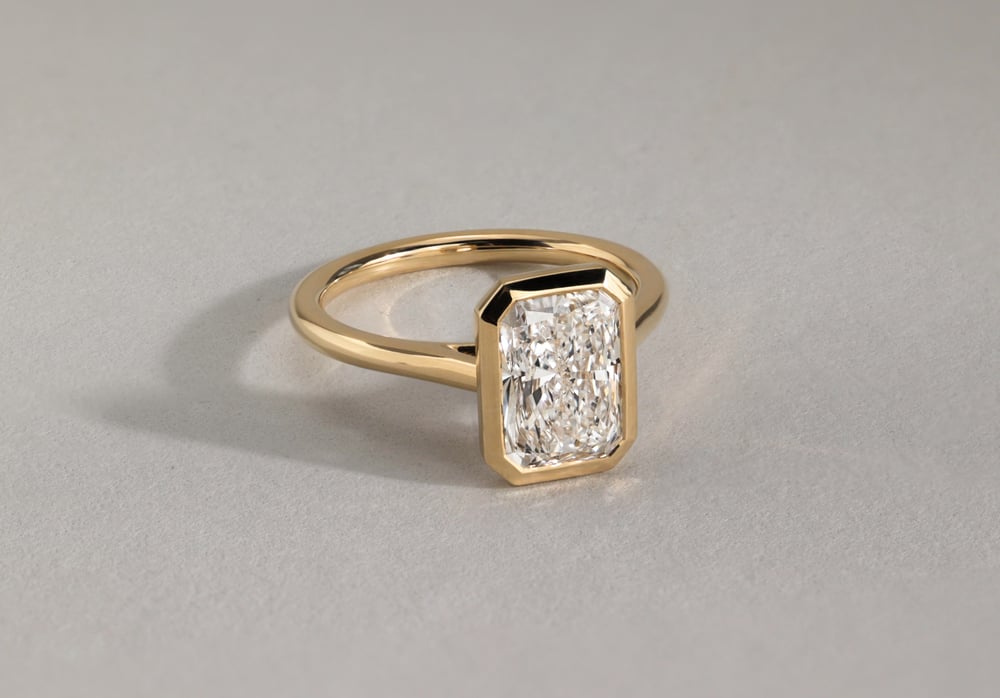
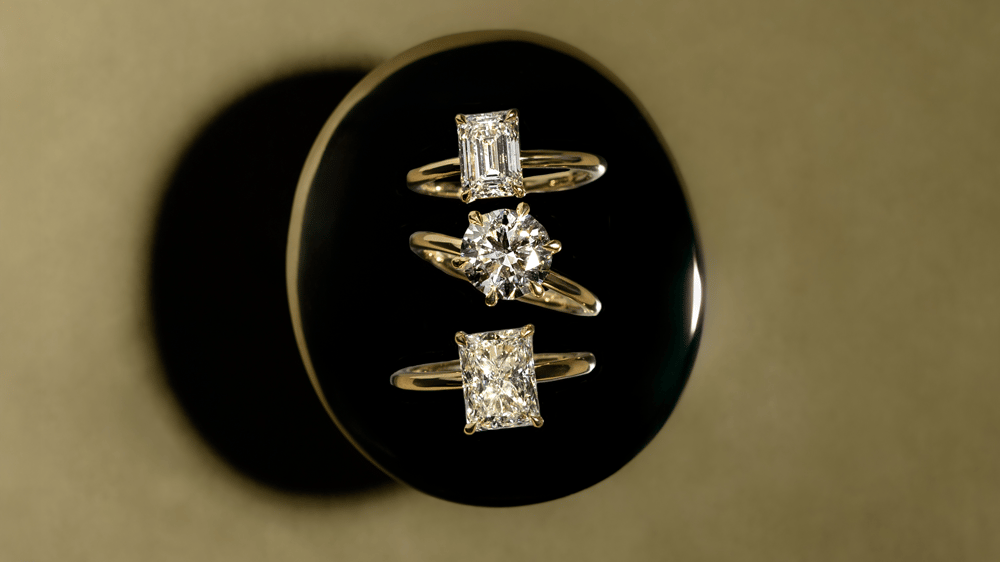
18k yellow gold is favoured for its depth of colour and refined presence. With a higher gold content, it carries a richer, more luminous hue. While 14k and 18k gold offer similar resistance to surface scratching, 18k gold has a higher elongation percentage. This means it is more likely to bend rather than break – an important quality when securing gemstones over time. It is also less prone to corrosion and more hypoallergenic, making it a considered choice for sensitive skin.
Choosing the Right Karat for Everyday Wear
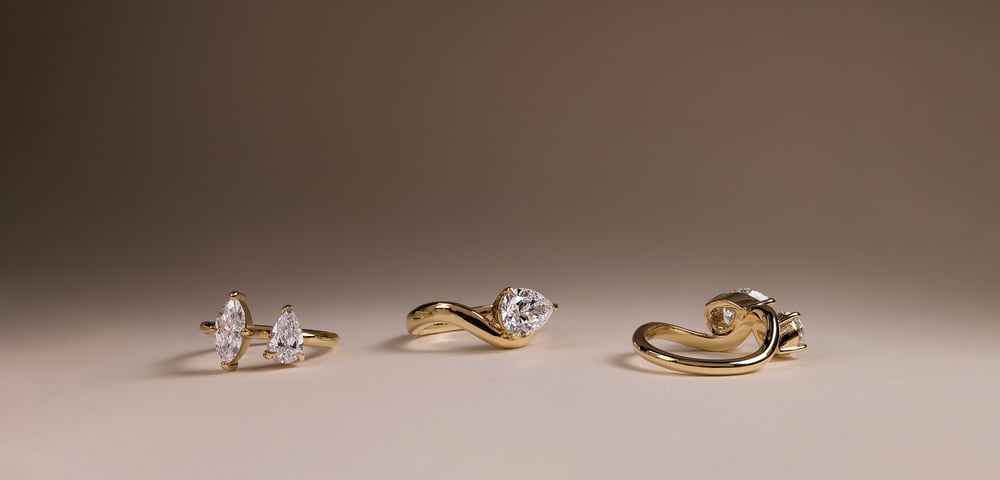
An engagement ring or wedding band isn’t reserved for occasions. It’s worn through routine and rhythm – workdays and weekends, travel, seasons, and every day in between. While 24k gold is visually striking, many find its softness impractical for a life lived fully. For most people, 14k or 18k yellow gold offers the ideal balance of beauty, comfort and longevity. Whether you’re planning a proposal or refining the details together, explore our ready-to-ship engagement rings or design your own lab grown diamond, moissanite or sapphire ring. Available online or by appointment in our showrooms, each piece is crafted with intention and designed to endure.