What is a lab grown diamond? It’s a real diamond identical to mined diamonds, grown not beneath the earth’s crust, but in a high-tech laboratory. Dive into this article to understand their creation process, how they compare to mined diamonds, and why so many people are choosing them as a modern alternative.
Defining Lab Grown Diamonds
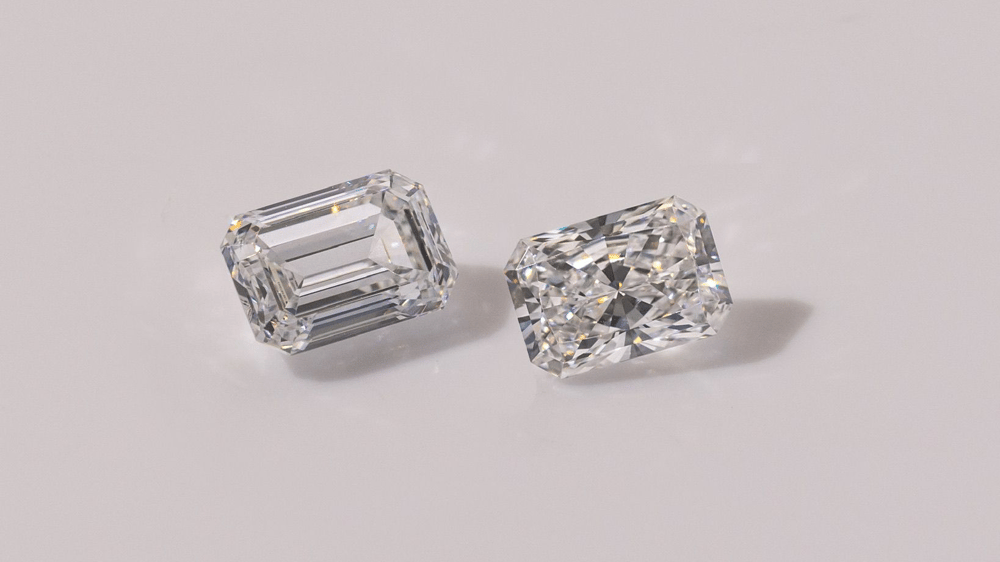
Lab grown diamonds are chemically, physically, and optically identical to mined diamonds, sharing the exact crystal structure and hardness of 10 on the Mohs scale. Crucially, they are not diamond simulants but the real deal. When it comes to the all-important sparkle, both lab grown and mined diamonds stand toe-to-toe, displaying the full range of quality characteristics. So, the next time you come across a lab grown diamond engagement ring, remember, its origin is the only difference from a mined diamond.
Composition and Properties
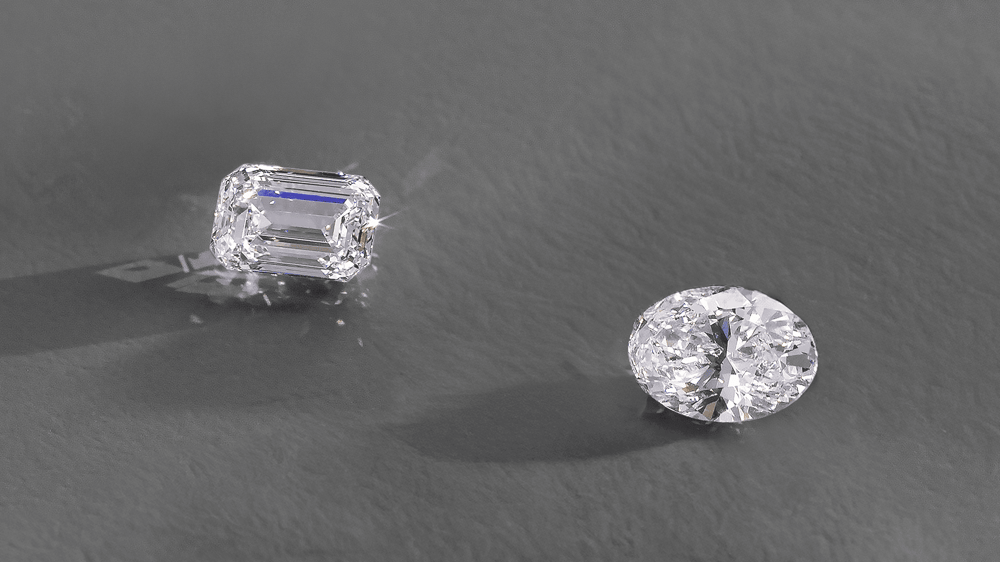
Lab grown diamonds are chemically, physically, and optically identical to mined diamonds, sharing the exact crystal structure and hardness of 10 on the Mohs scale. Crucially, they are not diamond simulants but the real deal. When it comes to the all-important sparkle, both lab grown and mined diamonds stand toe-to-toe, displaying the full range of quality characteristics. So, the next time you come across a lab grown diamond engagement ring, remember, its origin is the only difference from a mined diamond.
Appearance and Sparkle
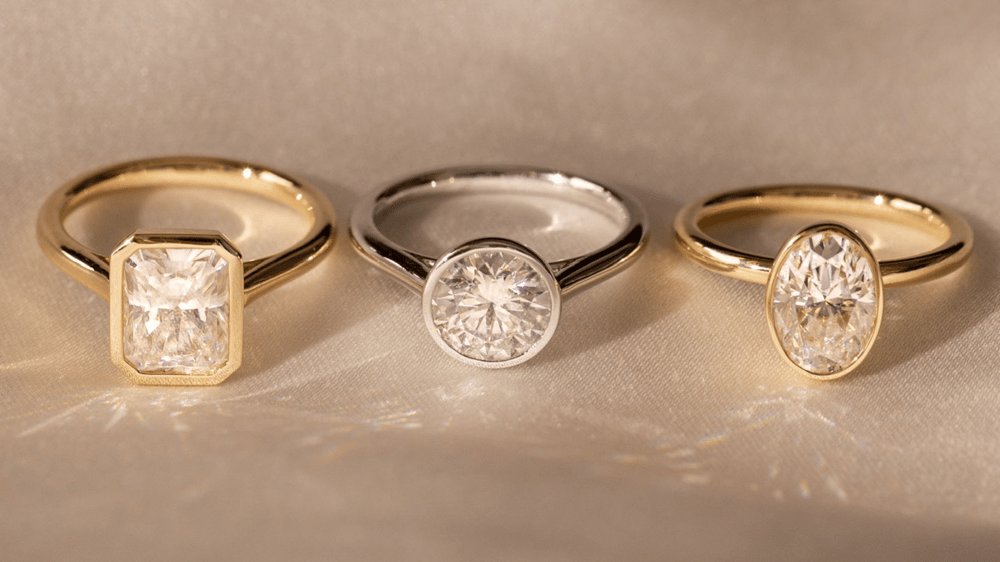
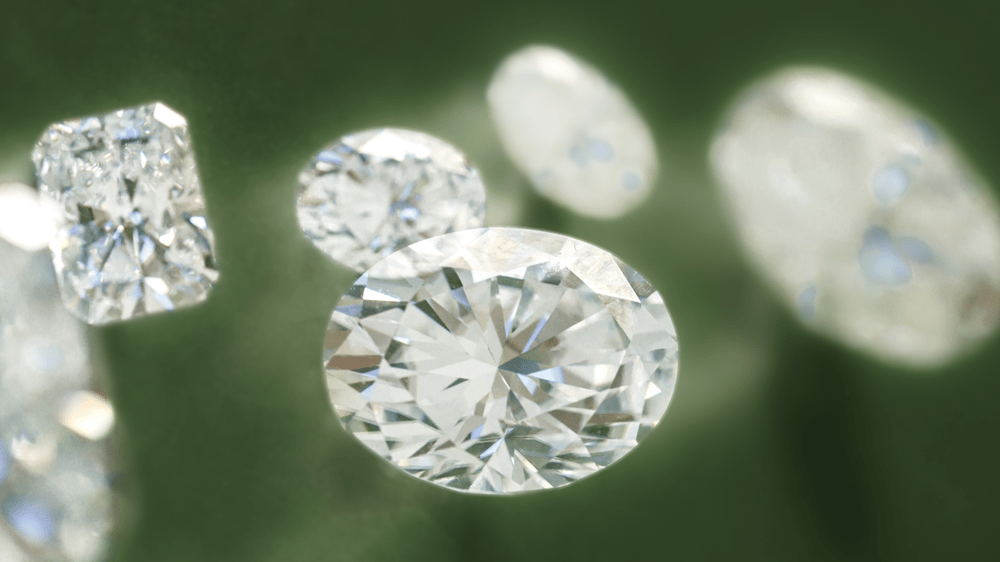
Shifting our focus to appearance, lab grown diamonds are visually indistinguishable from mined diamonds. That’s right, to the naked eye, a lab grown diamond and a mined diamond look exactly the same. Both will sparkle, provided they are cut well, a testament to the craftsmanship involved. From small to large sizes, lab grown diamonds maintain high clarity and colour, contributing to their visual appeal and sparkle. So when you wear lab grown diamond jewellery, rest assured, you’re wearing the epitome of human innovation and beauty.
The Creation Process of Lab Grown Diamonds
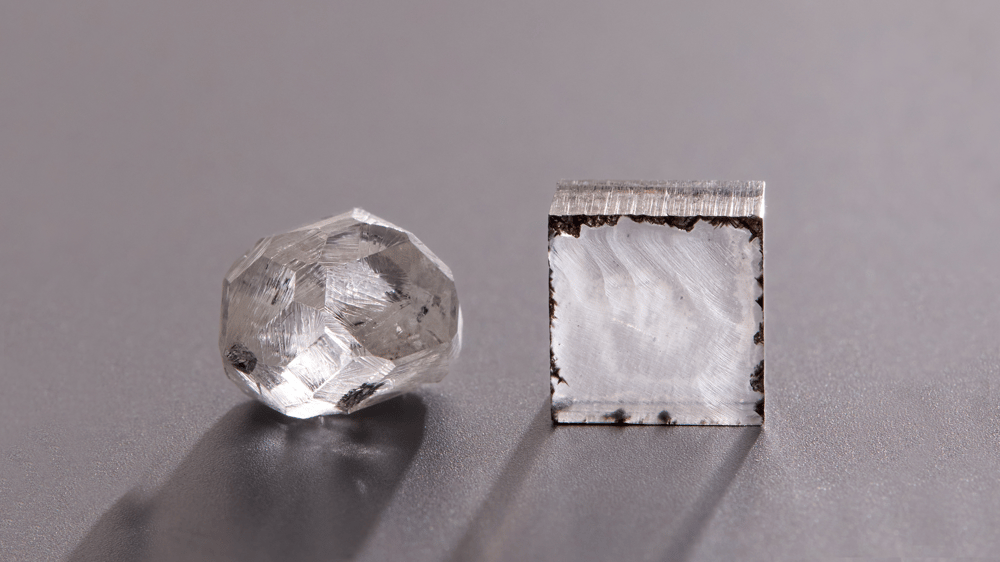
The journey from a carbon seed to a sparkling lab grown diamond involves several steps. The answer lies in two primary methods: High Pressure High Temperature (HPHT) and Chemical Vapour Deposition (CVD). These methods, inspired by nature’s way of creating diamonds, use tiny carbon seeds from pre-existing diamonds and mimic the mined formation of diamonds under extreme conditions. The inclusion of specific trace elements during the growth phase can yield man-made fancy coloured diamonds, a process highly similar to natural occurrences. Each method has its unique attributes, adding to the diversity of lab grown diamonds.
High Pressure High Temperature
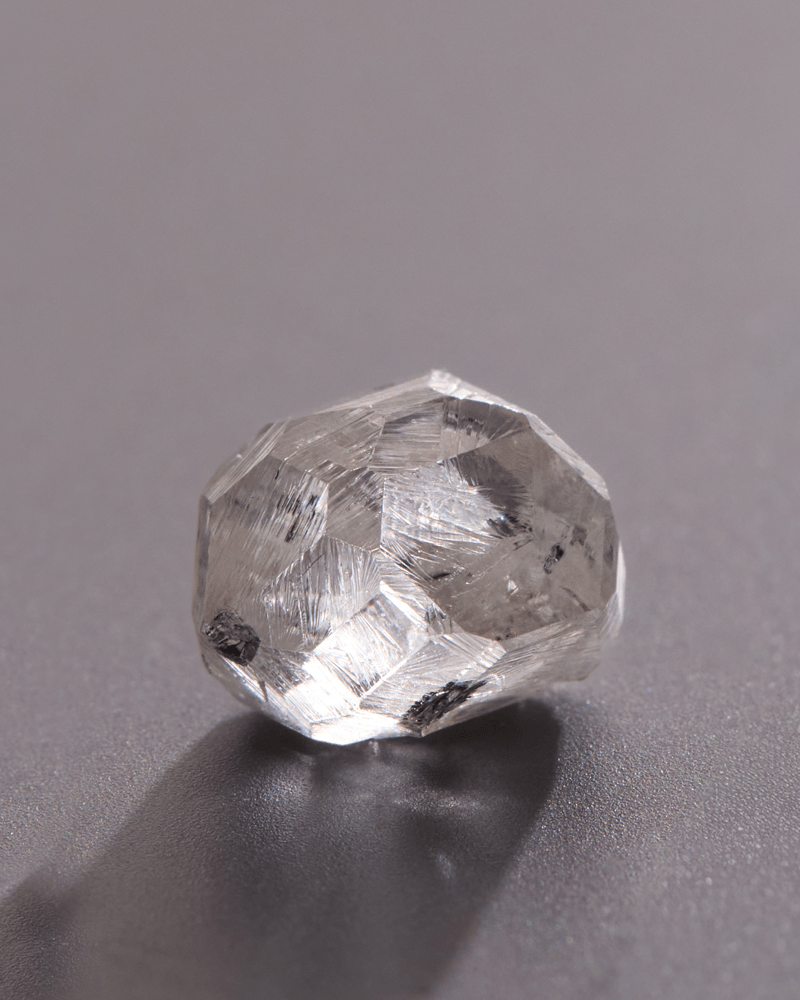
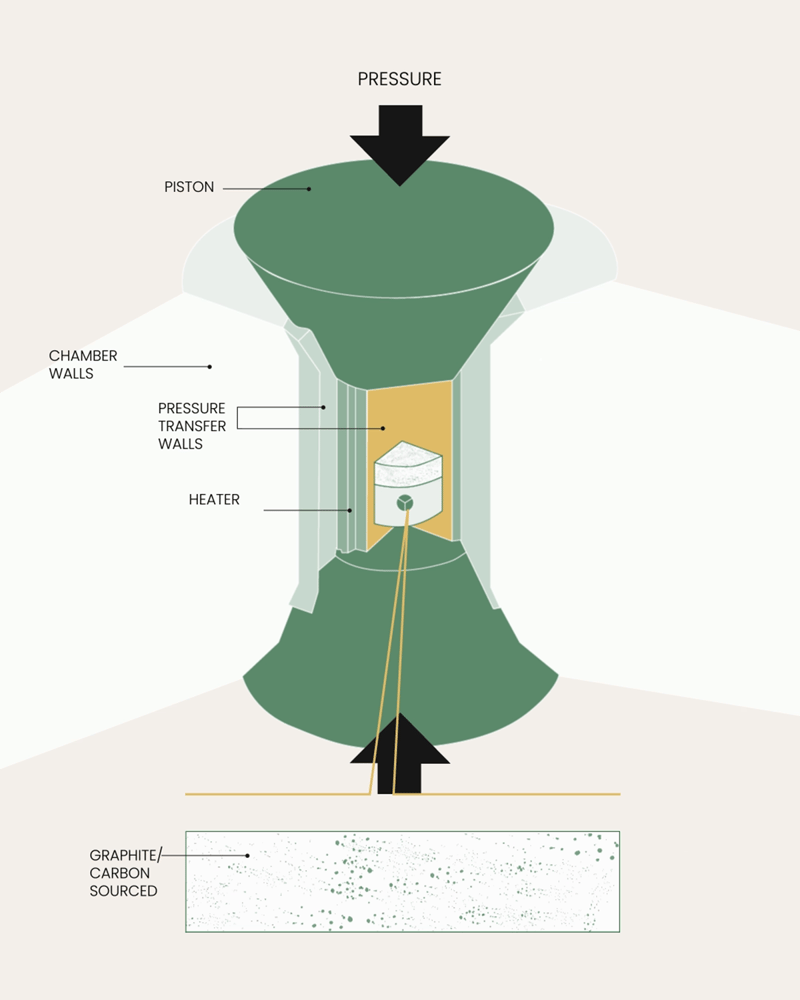
The HPHT method is the original technique for creating lab grown diamonds, established in the 1950s. This process simulates the mined diamond formation environment by exposing a small diamond seed to conditions exceeding 1,000 degrees Celsius and 1.5 million PSI. Mimicking nature, the HPHT method doesn’t guarantee flawless outcomes. You might find some HPHT diamonds with a yellowish hue due to nitrogen exposure, replicating the diverse colours found in mined diamonds.
Chemical Vapour Deposition
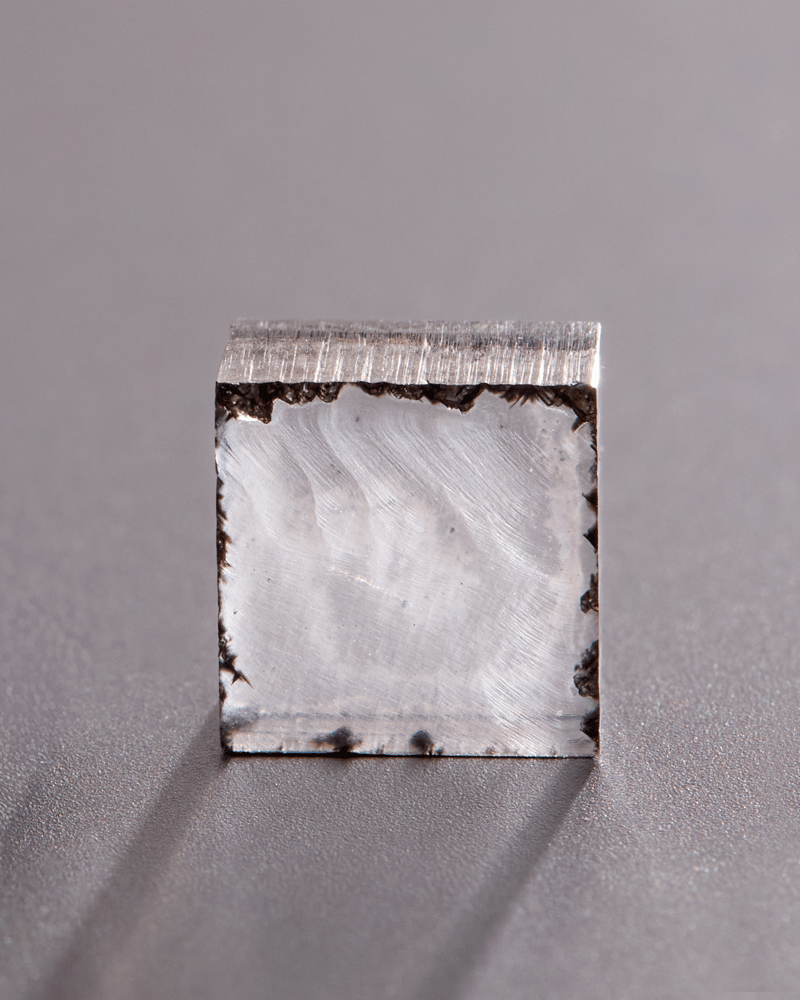
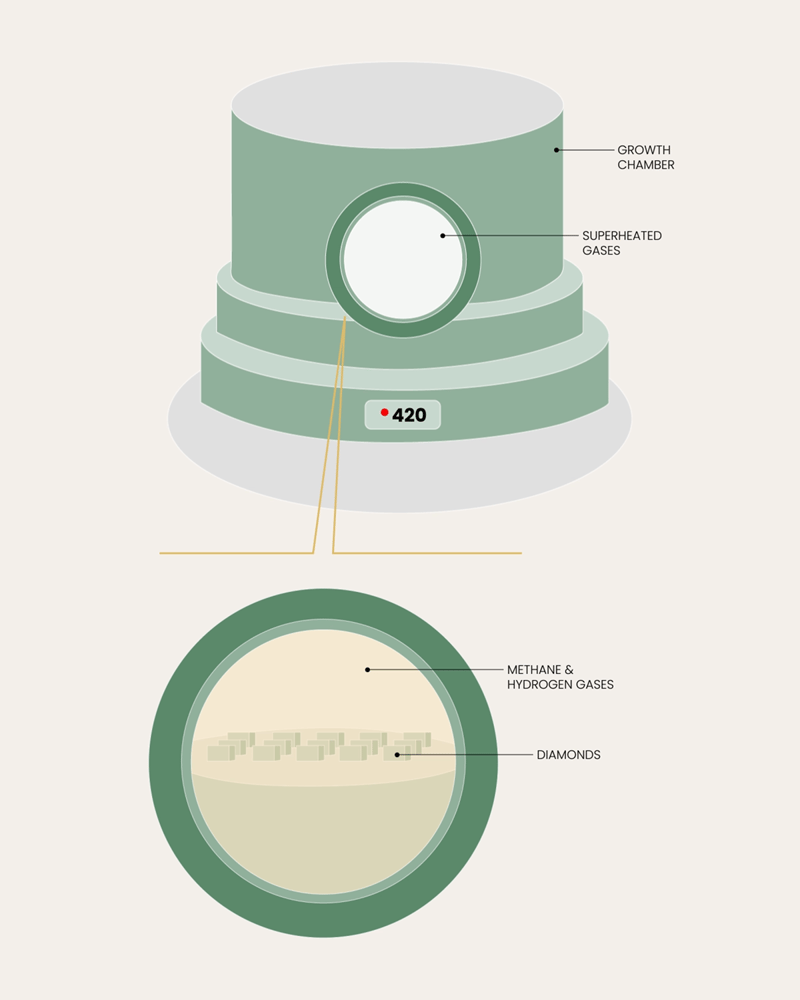
Chemical Vapour Deposition (CVD) starts with a diamond seed placed in a vacuum chamber brimming with carbon-rich gases. These gases are heated to approximately 800 degrees Celsius, leading to gas ionisation into plasma and subsequent carbon layering onto the diamond seed. Compared to HPHT, the CVD method operates under less pressure, utilises smaller equipment, and is often preferred for its ability to deliver diamonds with greater clarity and precision in proportions.
Identifying Lab Grown Diamonds
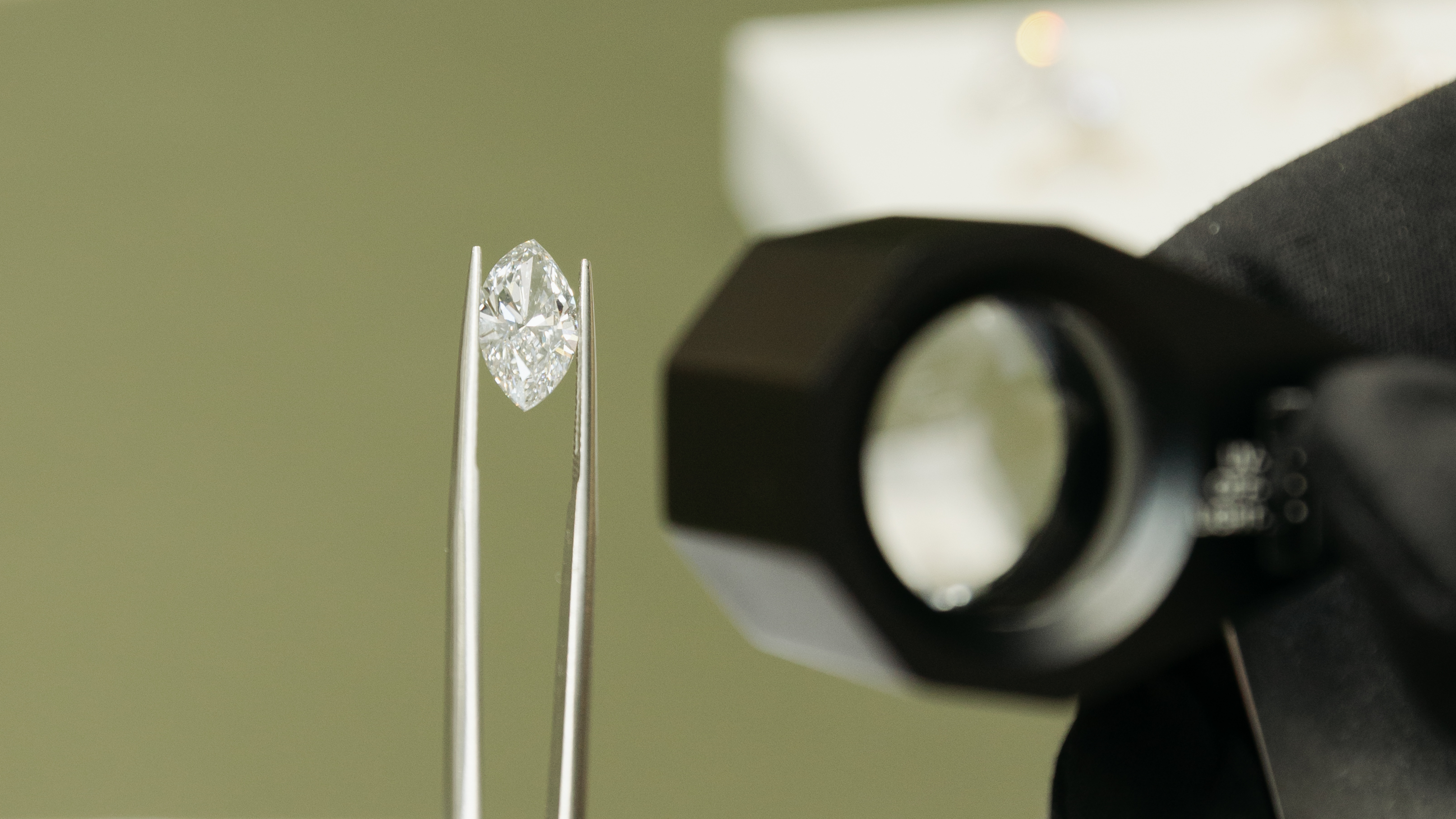
Discerning a lab grown diamond from a mined one isn’t as straightforward as visually comparing the two. Trained gemologists use sophisticated equipment to detect subtle differences in growth morphology and unique fluorescence patterns that distinguish lab grown from mined diamonds. Institutions like the GIA and IGI provide advanced identification technology and offer services for screening small diamond parcels to identify lab grown diamonds. Grading reports and laser inscriptions found on the girdle of lab grown diamonds are crucial tools to verify a diamond’s lab grown origin.
Lab Grown Diamond Jewellery Options
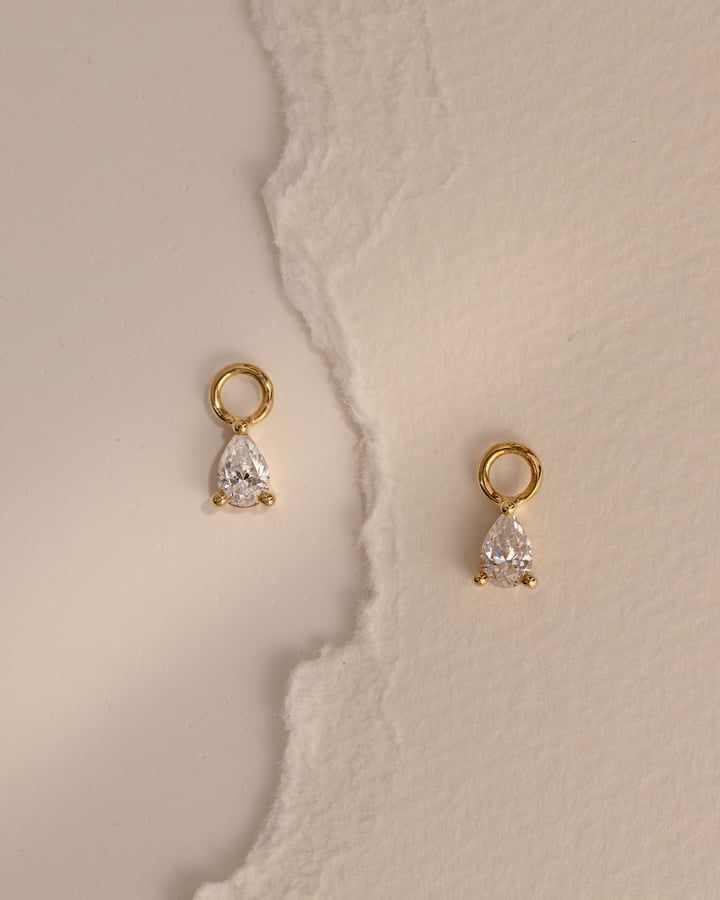
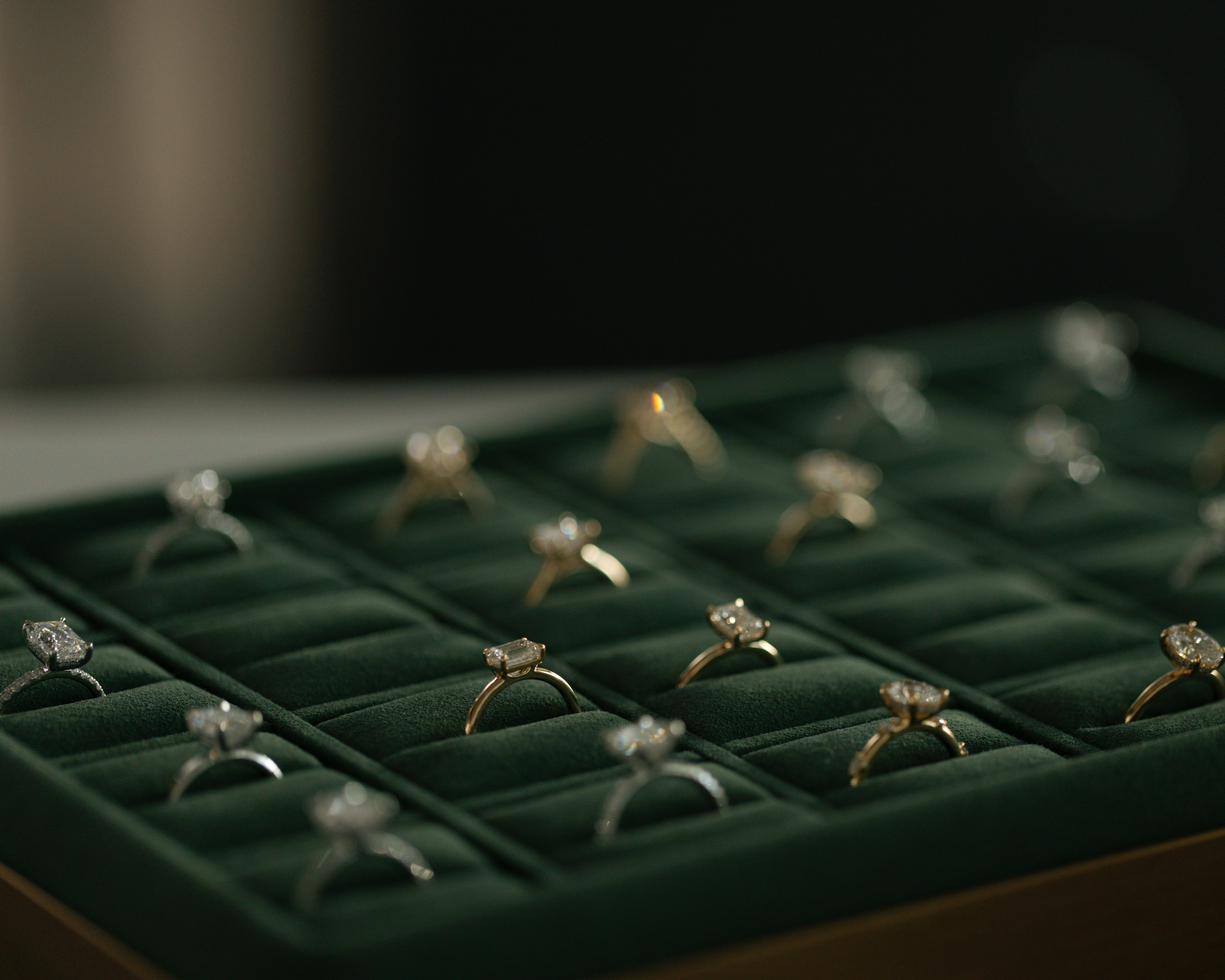
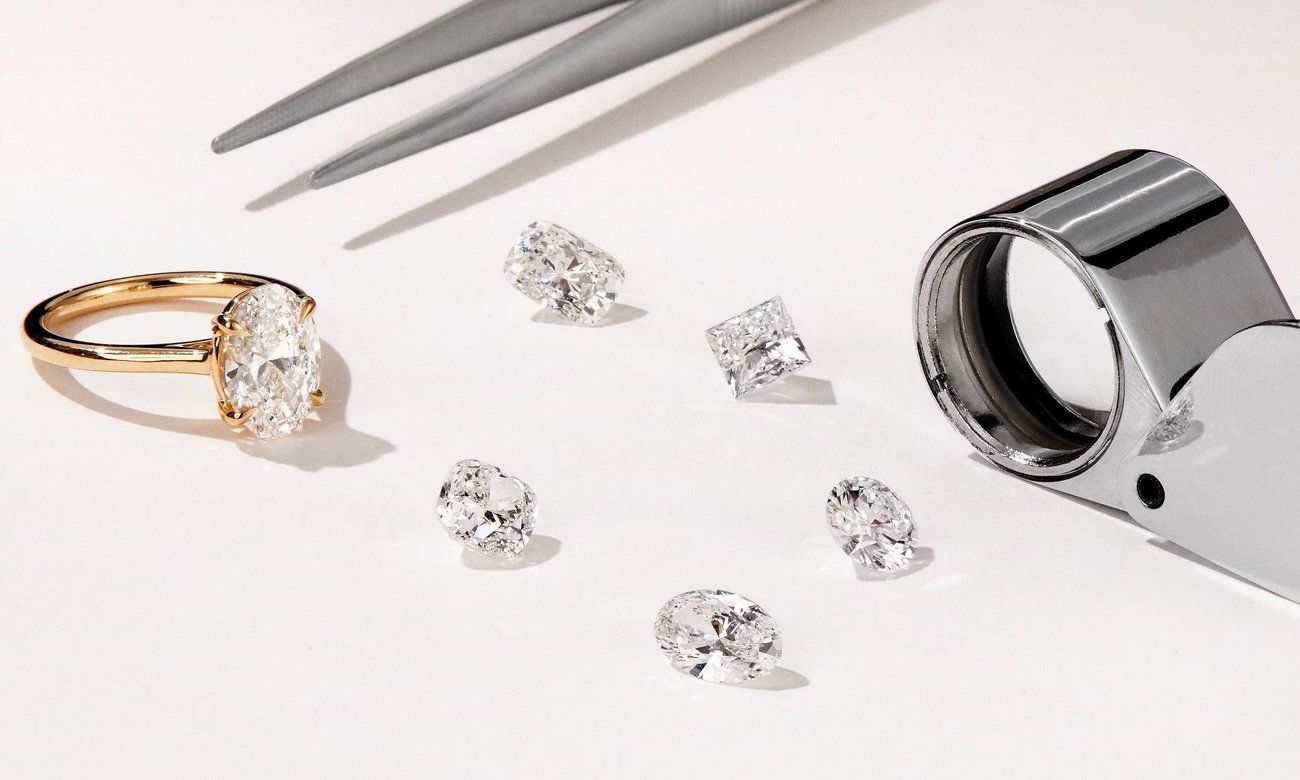
Lab grown diamonds can be used in any type of jewellery, whether your interest lies in engagement rings or earrings, or you’re inclined towards vintage or halo rings. You can even create custom lab grown diamond jewellery online, selecting specific attributes such as colour, carat, shape, cut, and clarity for a personalised and unique design. For example, you can use Cullen Jewellery's ring builder to start today.
The Future of Lab Grown Diamonds
In 2022, the worldwide market for lab grown diamonds stood at a value of US$22.45 billion. Predictions indicate that by 2028, this market's value is expected to reach US$37.32 billion. With younger generations opting for lab grown diamonds over mined diamonds, it’s clear that lab grown diamonds are cementing themselves as the symbol of love of the 21st century and beyond.
While size limitations for lab grown diamonds have historically been a challenge, recent advancements are rapidly changing this, allowing for larger stones to be produced. Lab grown diamonds distinguish themselves by being grown in a laboratory using cutting-edge technology, reinforcing their position as a modern choice for consumers.
From their creation to their composition, and from their value to their future, lab grown diamonds are a testament to human ingenuity and innovation. They offer a dazzling, kind to the planet alternative to mined diamonds, without compromising on quality or sparkle. As technology advances and consumer mindsets evolve, lab grown diamonds continue to sparkle brighter on the horizon of the jewellery industry.