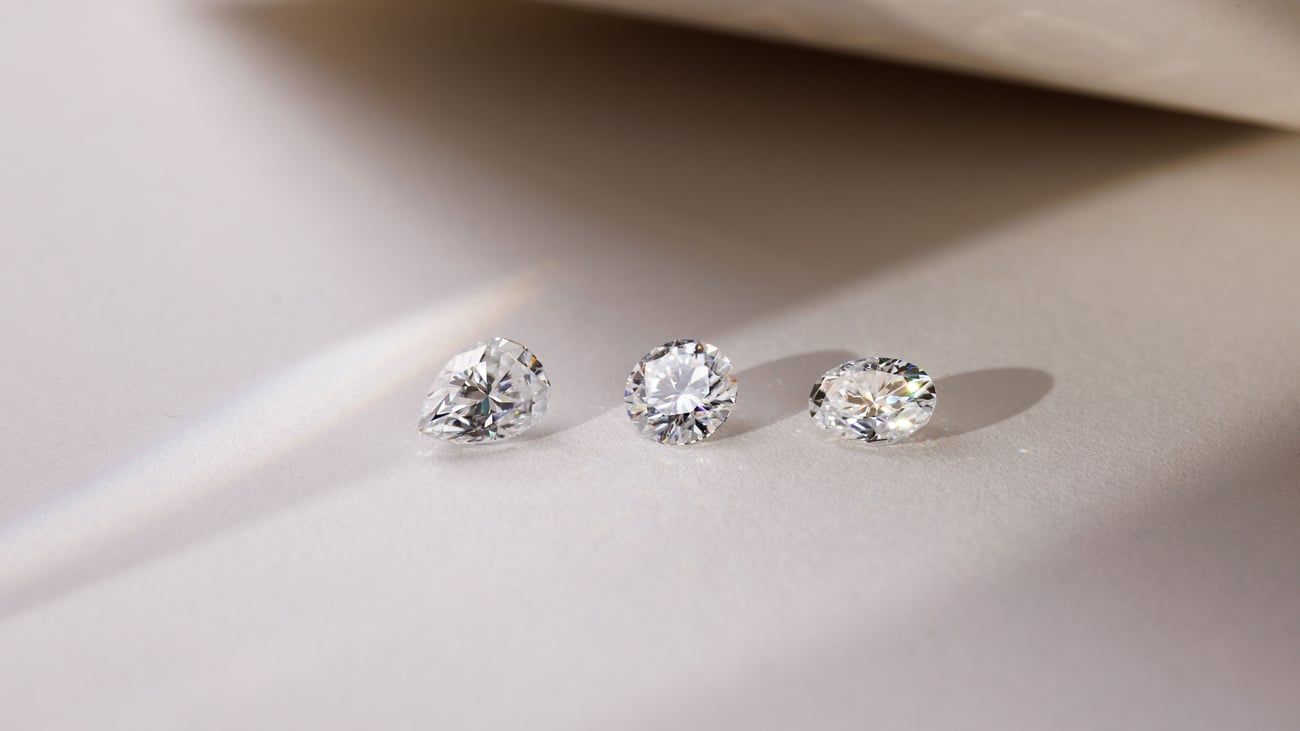
Moissanite often enters the conversation because of how closely it resembles a diamond – clean, colourless, brilliantly faceted. But it’s much more than that – a gemstone with its own identity. And as more people explore moissanite for its durability, sparkle and accessible price point, a common question arises: will it pass a diamond test?
What is Moissanite?
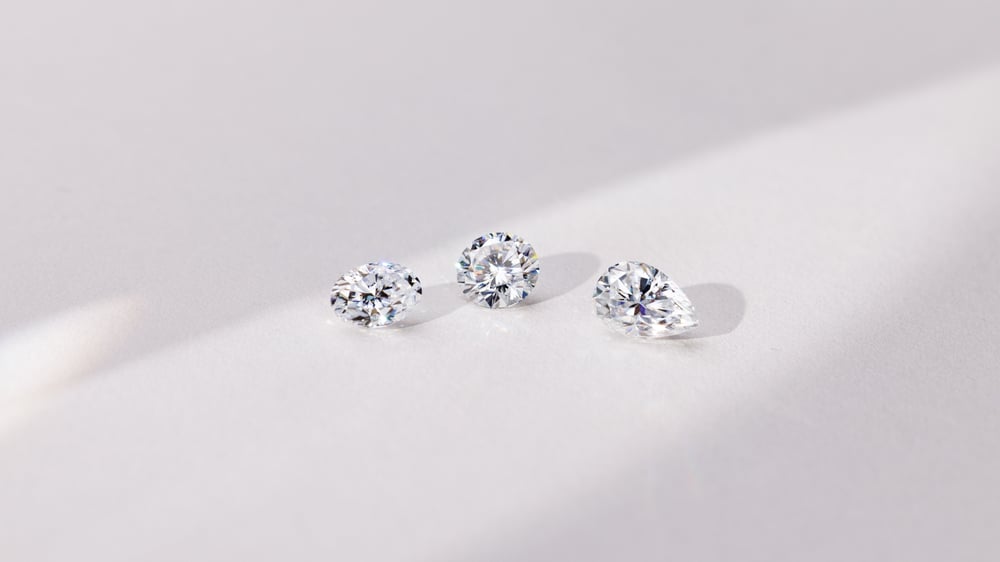
Moissanite isn’t a diamond simulant; it’s a distinct gemstone composed of silicon carbide. It’s exceptionally durable – second only to diamond, sitting at a 9.25 on MOHs scale – and known for its prismatic fire, a slightly more colourful sparkle than a diamond’s crisp, tonal brilliance. Since first being discovered by scientist Henry Moissan in a meteor crater, scientists have been able to replicate this exquisite gemstone in a lab and offer it to the world as a masterfully cut, affordable and eternally brilliant gemstone. To the naked eye, especially in smaller sizes, the two stones look remarkably similar. Most people, even up close, won’t detect the difference.
Where the Confusion Comes From
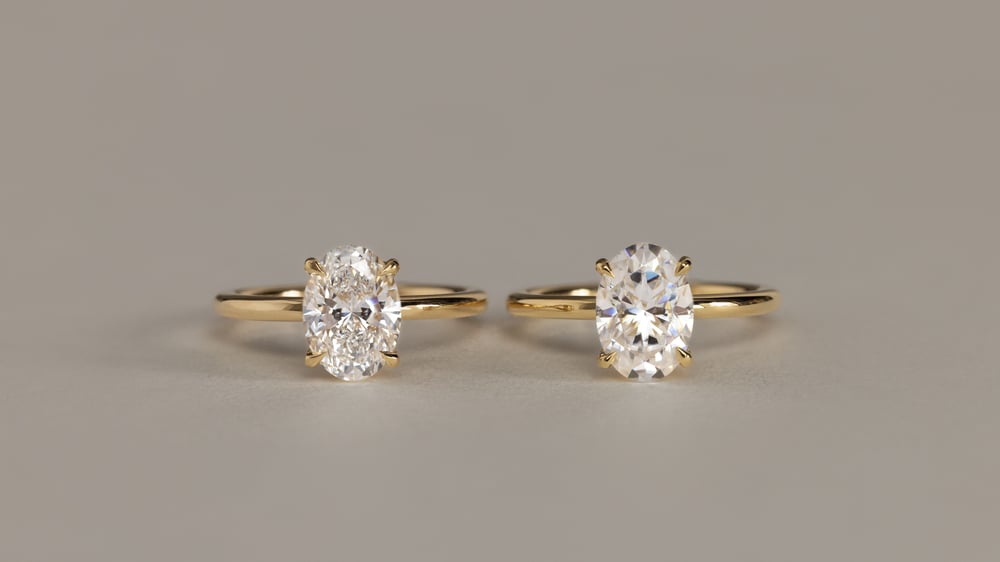
Traditional diamond testers were designed to distinguish diamonds from softer simulants like cubic zirconia. They measure thermal conductivity, which is simply how quickly heat moves through a stone. Diamonds conduct heat exceptionally well. Moissanite does too. On basic or older testers, this similarity means moissanite often registers as a diamond. The devices aren’t sensitive enough to detect the small difference in conductivity between the two gemstones, which is why they can give false readings.
How Modern Testers Tell Them Apart
More advanced testers measure not just thermal conductivity but electrical conductivity as well. This distinction matters because moissanite is slightly electrically conductive, while diamond is not. Multi-testers that combine both forms of measurement can therefore separate the two accurately. Some laboratory instruments go even further. Spectroscopic devices used by specialist gemological labs can differentiate moissanite from diamond with precision and can also distinguish between mined and lab grown diamonds. These tools are highly accurate, highly specialised, and typically found only in professional settings.
How Should You Test It?
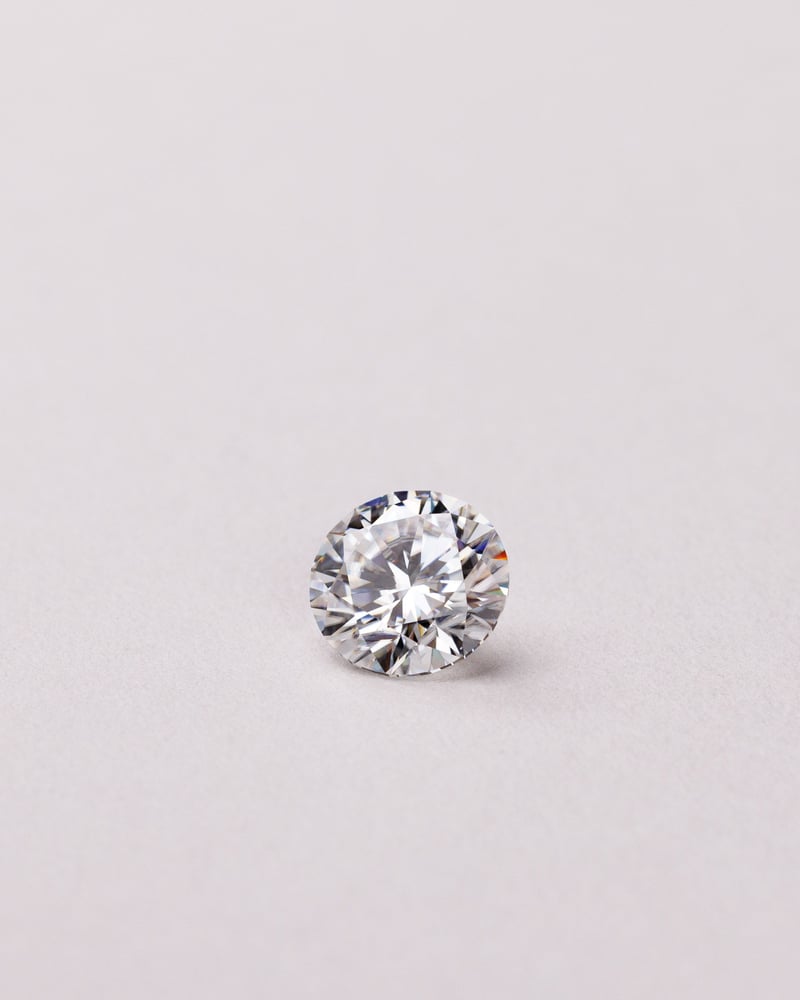
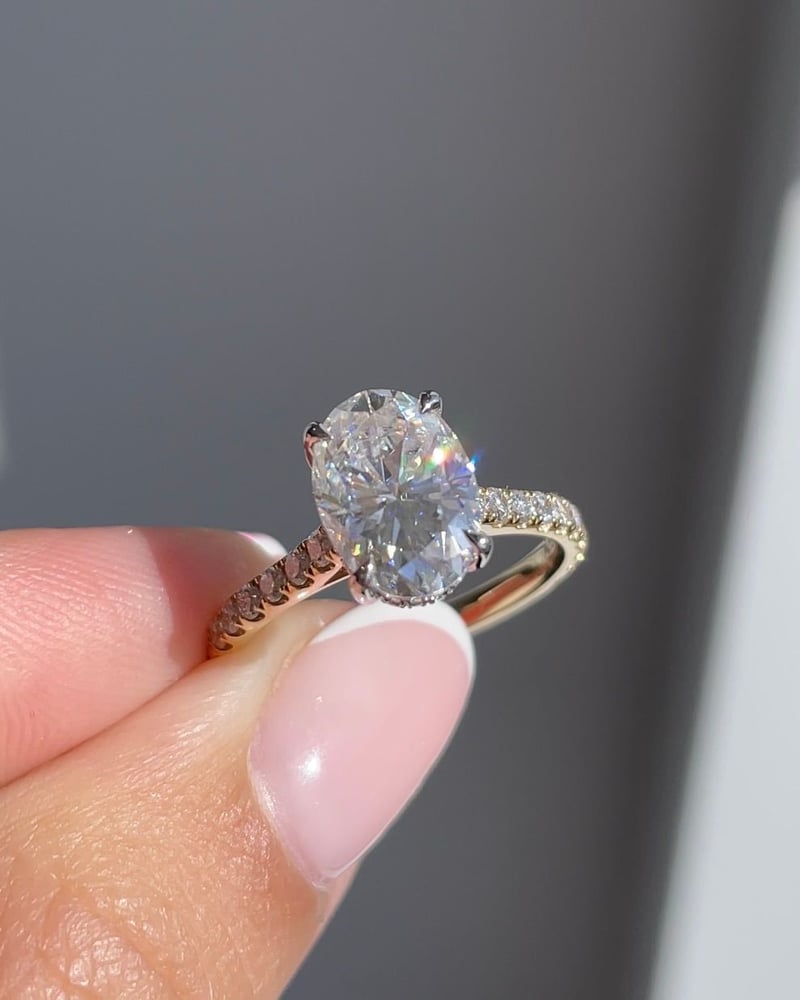
If you need confirmation, the most accurate approach is to have the stone assessed by a professional. A jeweller using a modern multi-tester can identify moissanite quickly, and gemological laboratories can provide full verification when required. Because home tools can’t measure electrical conductivity or perform spectroscopic analysis, there’s no reliable at-home method to definitively tell the two apart. As a result, moissanite being an effective conductor of heat means that they can often pass as a diamond on basic, cheaper diamond tester.
A Stone With Its Own Story
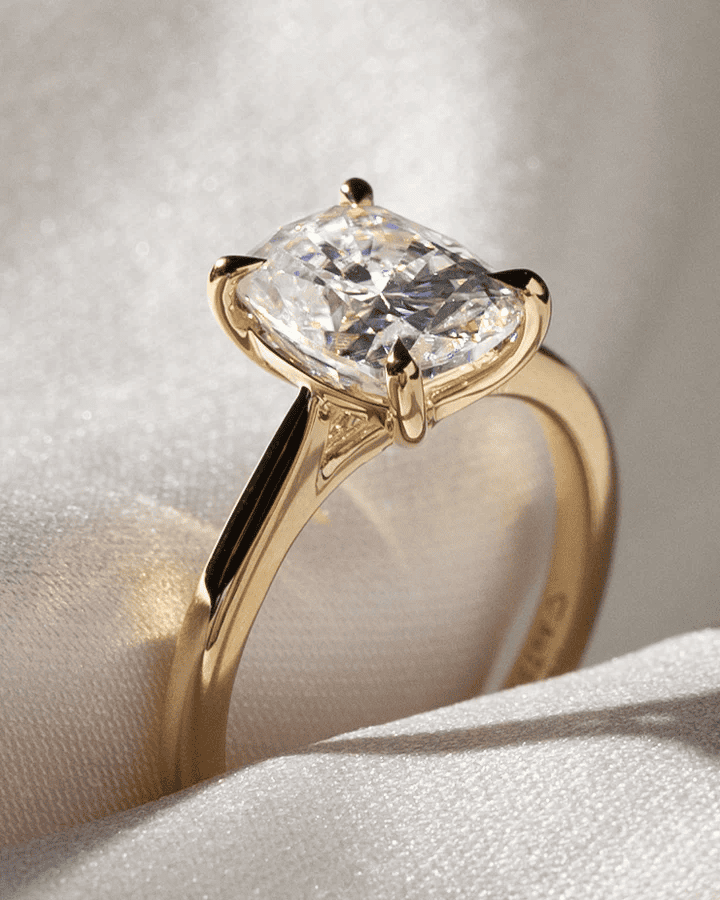
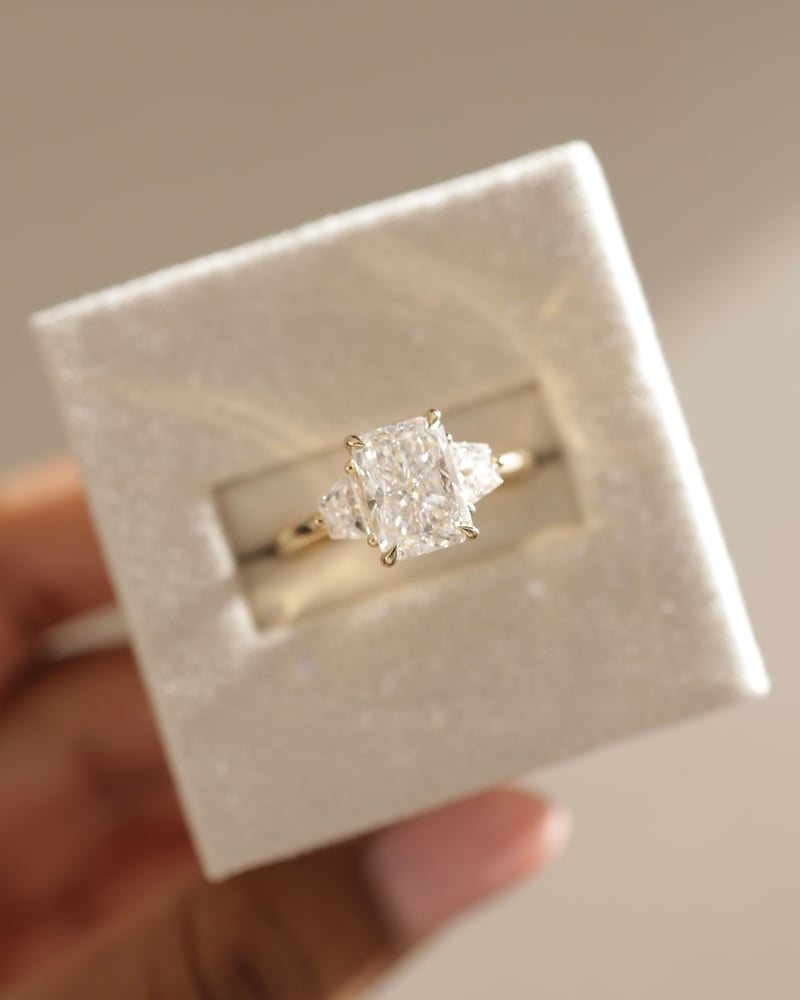
Moissanite’s ability to pass many diamond testers is only a footnote in its story. Its true appeal lies in its durability, vivid fire and modern, lab grown origins. It stands confidently on its own – a contemporary gemstone with a brilliance that doesn’t need comparison. If you’re exploring moissanite or lab grown diamonds, our team can guide you through shapes, proportions and settings. Contact us here or book a complimentary appointment with us and see what catches your eye.