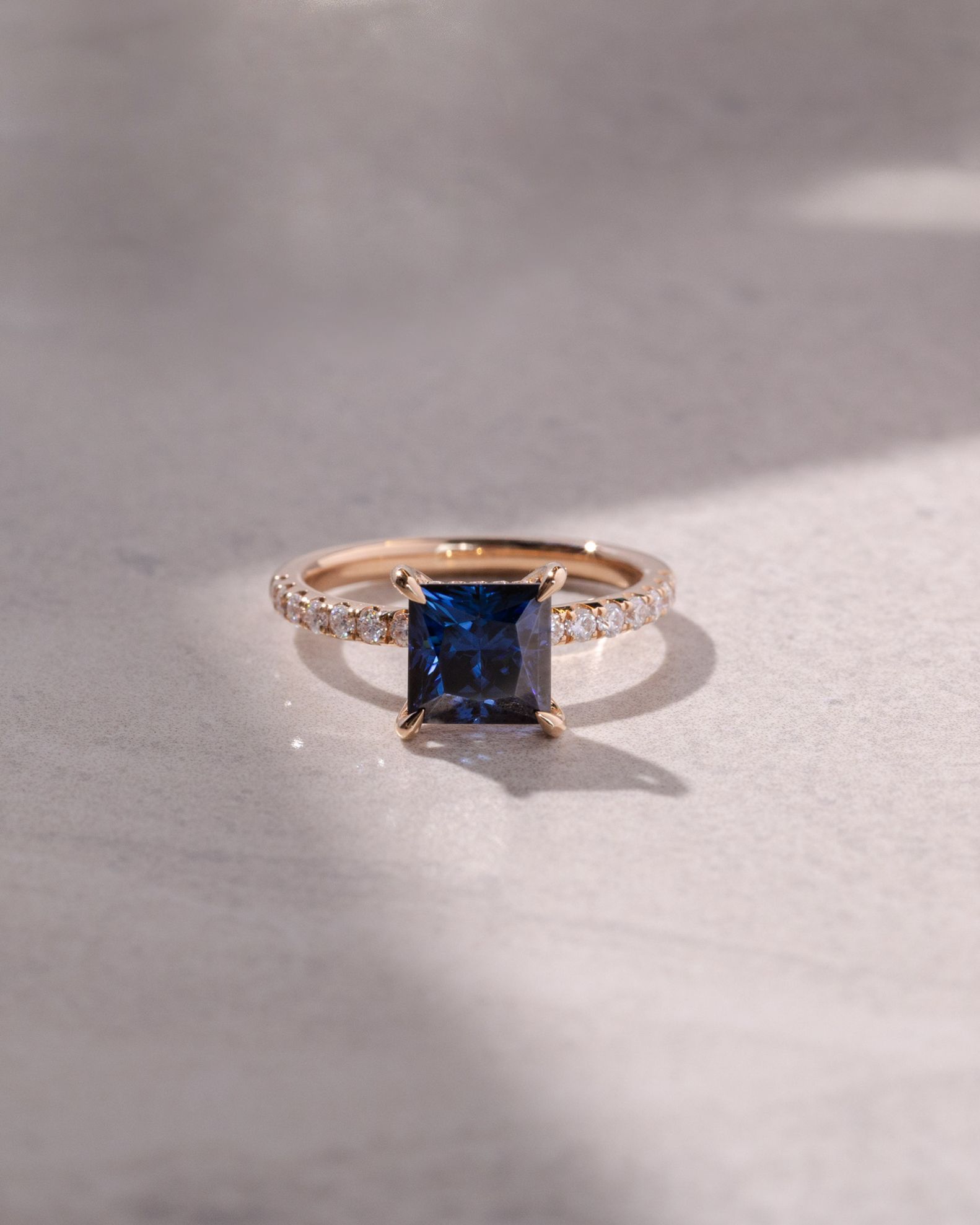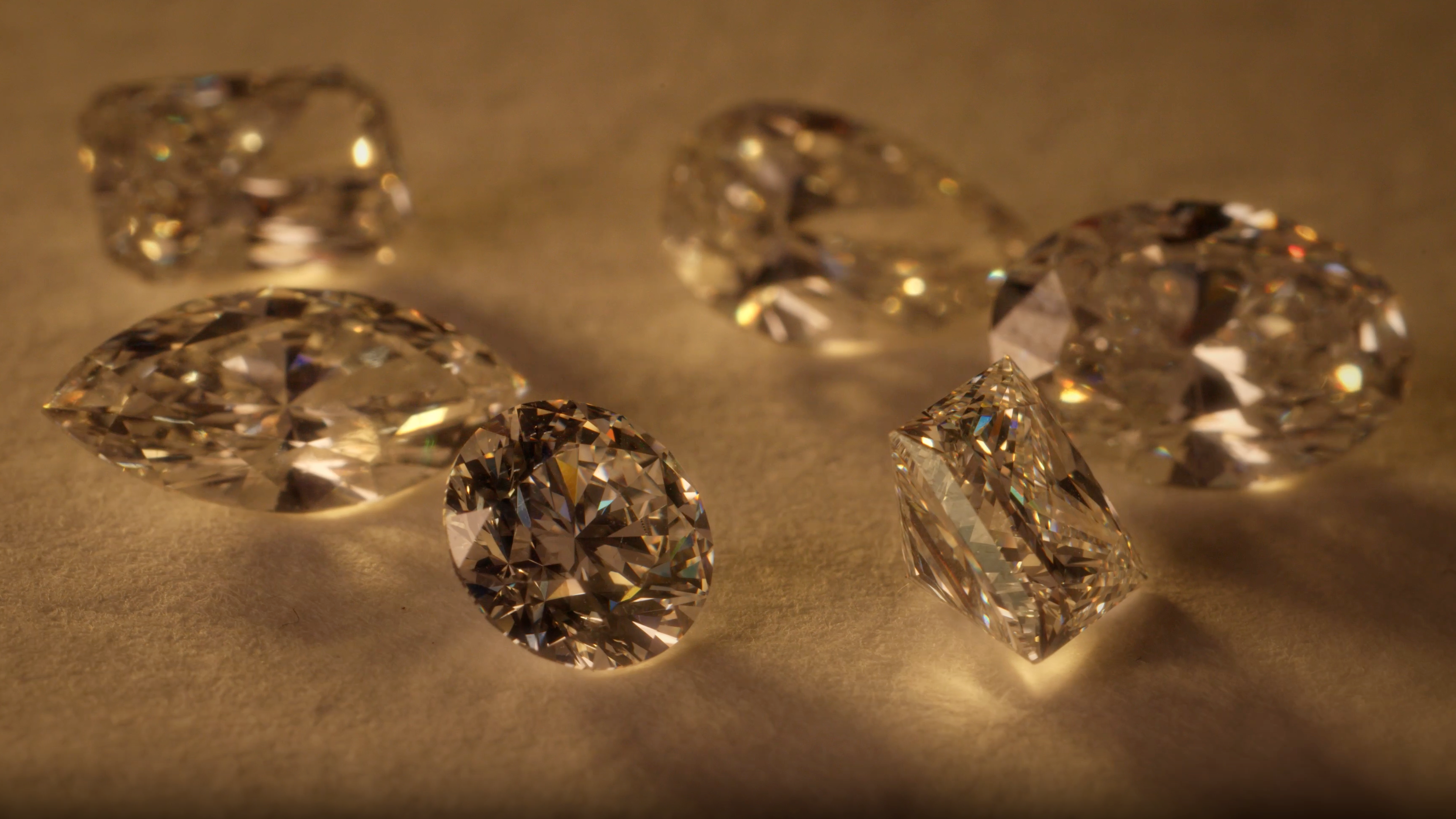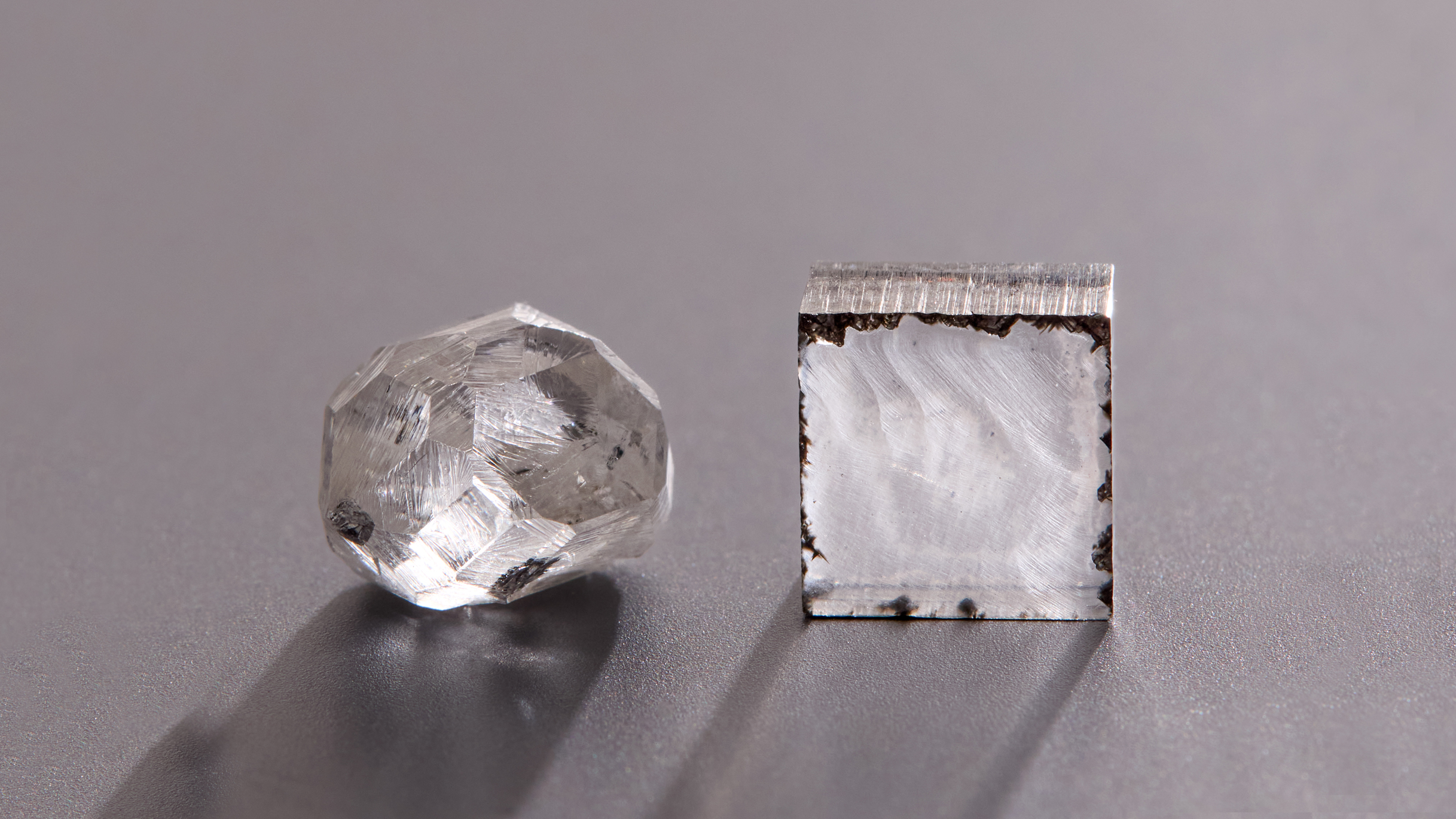
There was a time when a diamond’s story was defined by where it was found. Deep within the earth. Formed over millions of years. Mined diamonds carried a sense of rarity that felt almost unquestioned. Today, that story has expanded. Lab-grown diamonds are now created with precision, in controlled environments, using the same elemental building blocks. Not an alternative, but the same material – formed differently. Which means the conversation has shifted. From what is a diamond, to what it represents for the person choosing it. Between mined and lab-grown, the distinction lies in origin, process, and intent. Here, we take a closer look at what defines each, and what sets them apart
How They Compare in Appearance
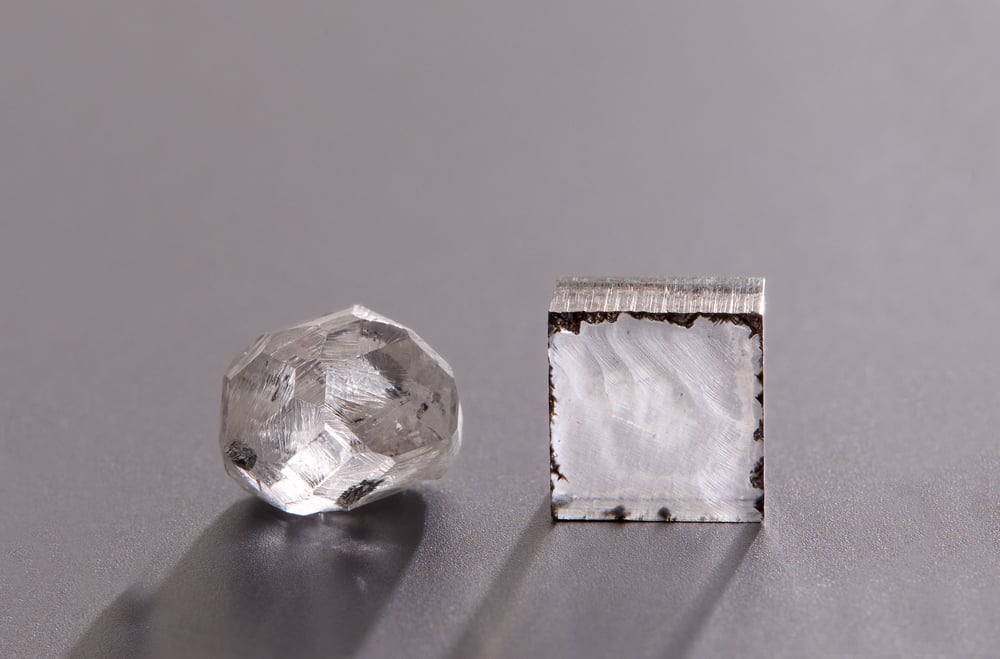
Visually, there is no difference. Lab grown diamonds and mined diamonds share the same chemical, physical, and optical properties. They are both formed from crystallised carbon, structured in exactly the same way. To the naked eye, they are indistinguishable. Even under magnification, the differences are not easily detected. Identifying origin requires specialised equipment capable of analysing trace elements within the stone – tools typically reserved for gemological laboratories. In everyday wear, across natural light and movement, both present the same brilliance, fire, and clarity.
How They Compare in Durability

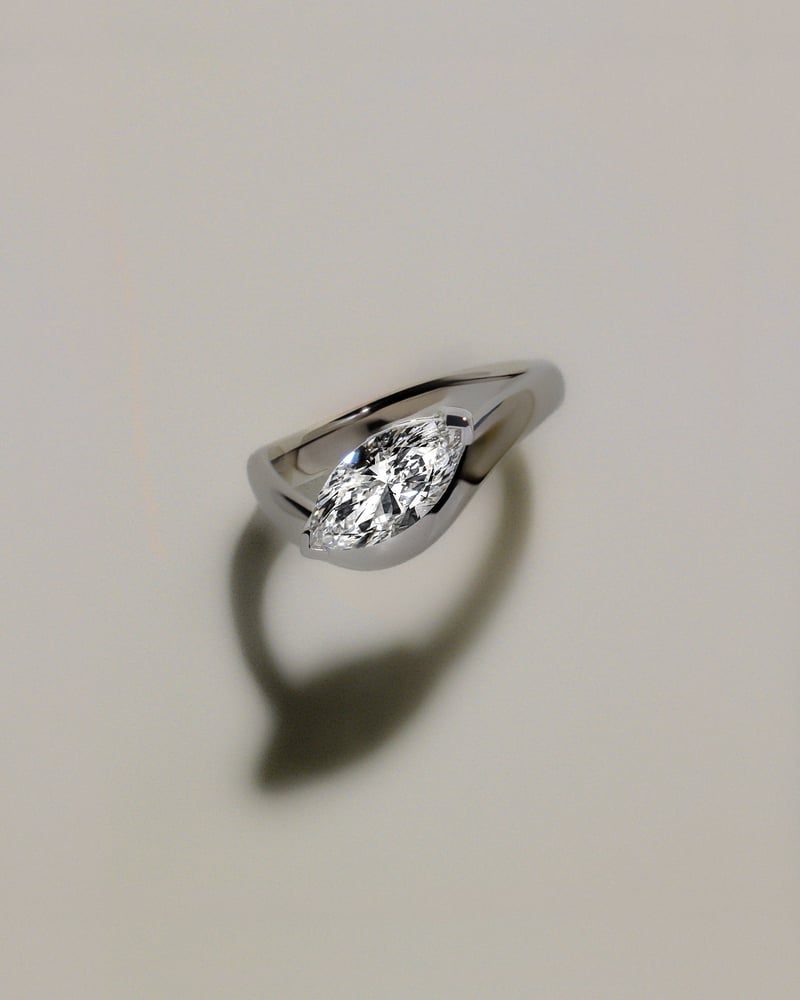
A diamond’s durability comes from its structure, not its origin. Both lab-grown and mined diamonds are composed of pure carbon and rank a 10 on the Mohs hardness scale, which is the highest possible rating. This makes them exceptionally resistant to scratching and well-suited to daily wear. Lab grown diamonds are created by replicating the natural conditions in which mined diamonds form. Through high pressure and temperature, or advanced deposition methods, layers of carbon build over time into a finished stone. The result is not a substitute, but the same material formed through a different process. One that holds its strength, its integrity, and its ability to endure over time.
How They Compare in Impact
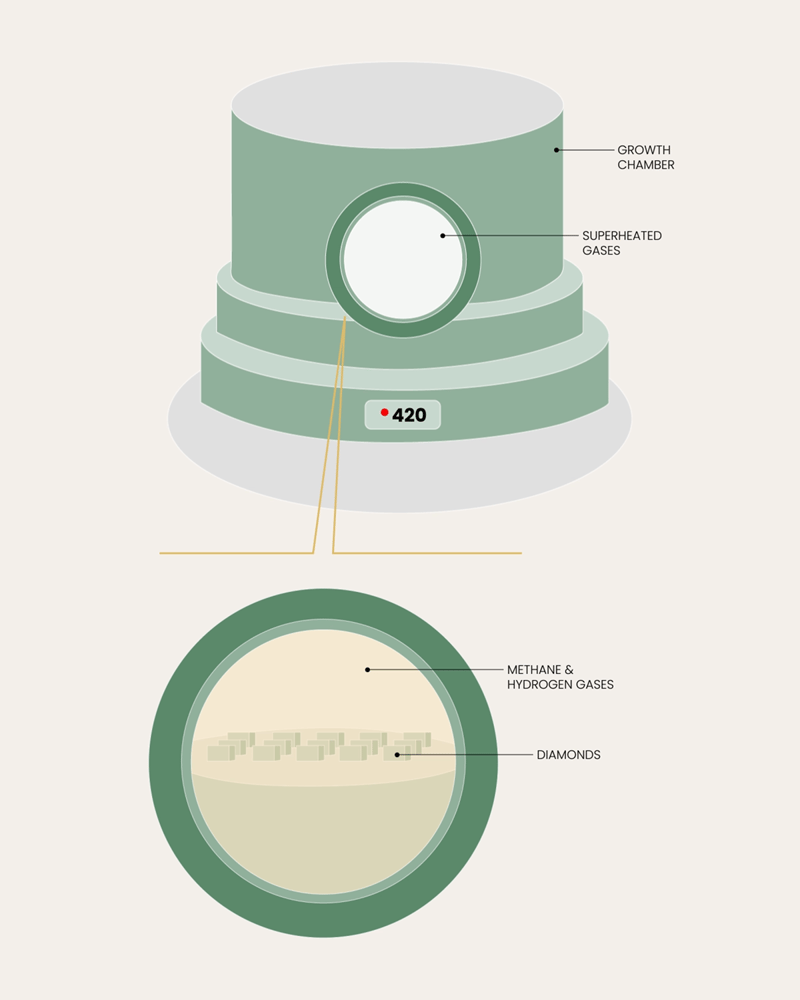
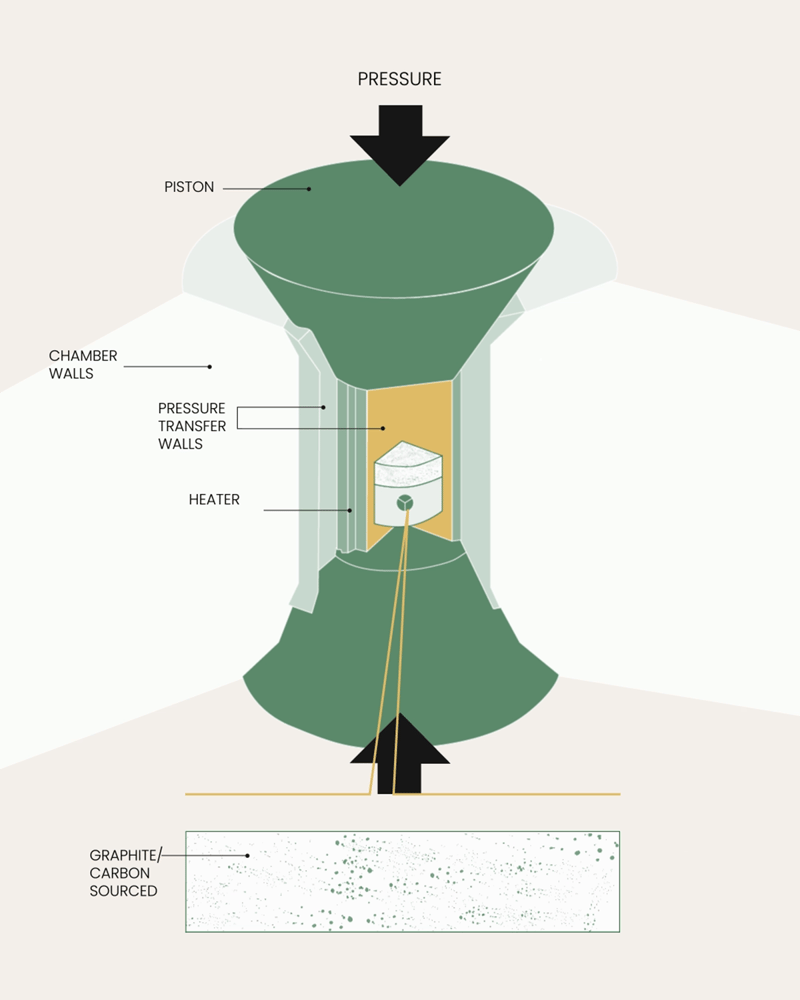
Where the difference becomes more visible is in how each diamond is produced. Mined diamonds require extraction from the earth. While industry regulations have improved transparency over time, mining can still carry environmental and social considerations, including land disruption and resource intensity. Lab grown diamonds are created in controlled environments, removing the need for mining entirely. This offers a more traceable and contained process, without the same level of environmental disruption. For many, this is where the decision becomes clear – not in how the diamond looks, but in how it aligns with their values.
How They Compare in Price

Lab-grown diamonds are typically more accessible at the same size and quality. Without the constraints of mining supply chains, pricing reflects the cost of production rather than rarity alone. This allows for greater flexibility – whether that means selecting a larger stone, prioritising cut, or simply staying within a considered budget. Rather than paying for perceived scarcity, the focus shifts to what is visible and lasting.
Choosing What Feels Right
Both lab grown and mined diamonds offer the same essential qualities: brilliance, durability, and longevity. The decision is not about compromise. It is about preference. For some, the natural origin of a mined diamond holds meaning. For others, the controlled creation and reduced impact of a lab grown diamond feels more aligned. At Cullen, the focus is not on pushing one over the other, but on helping you choose with clarity. Because the right diamond is not defined by where it comes from, but by how it reflects what matters to you. If you have further questions, please don't hesitate to contact us here.