For centuries, diamonds have been admired for their beauty and durability. These qualities originate deep within the Earth, where extreme heat and pressure gradually transform carbon into the crystal structure we recognise as diamond. Modern diamond creation takes a different path. Rather than forming beneath the Earth’s surface, lab grown diamonds are created in carefully controlled laboratory environments. By recreating the conditions required for diamond formation, scientists are able to produce diamonds that are chemically, physically and optically identical to those formed in nature. Today, two primary methods are used to grow lab diamonds: chemical vapour deposition (CVD) and high pressure high temperature (HPHT). While the processes differ in technique, both result in genuine diamonds suitable for fine jewellery. Understanding these methods can help provide greater clarity when comparing lab-grown diamonds.
Chemical Vapour Deposition (cvd)
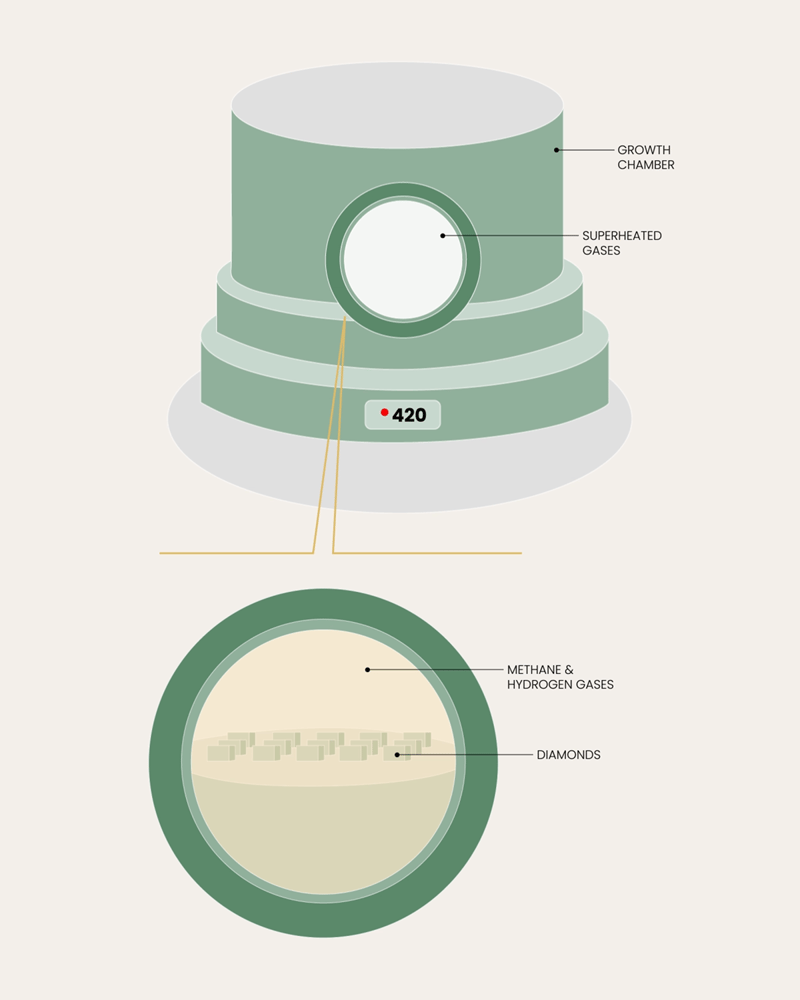
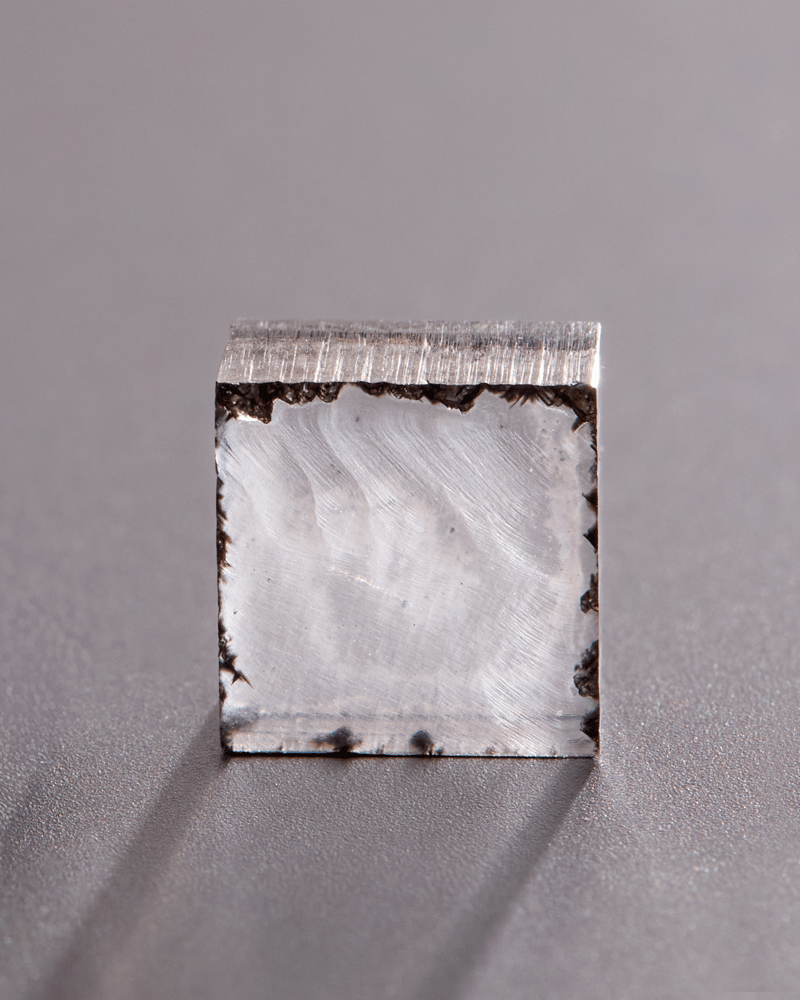
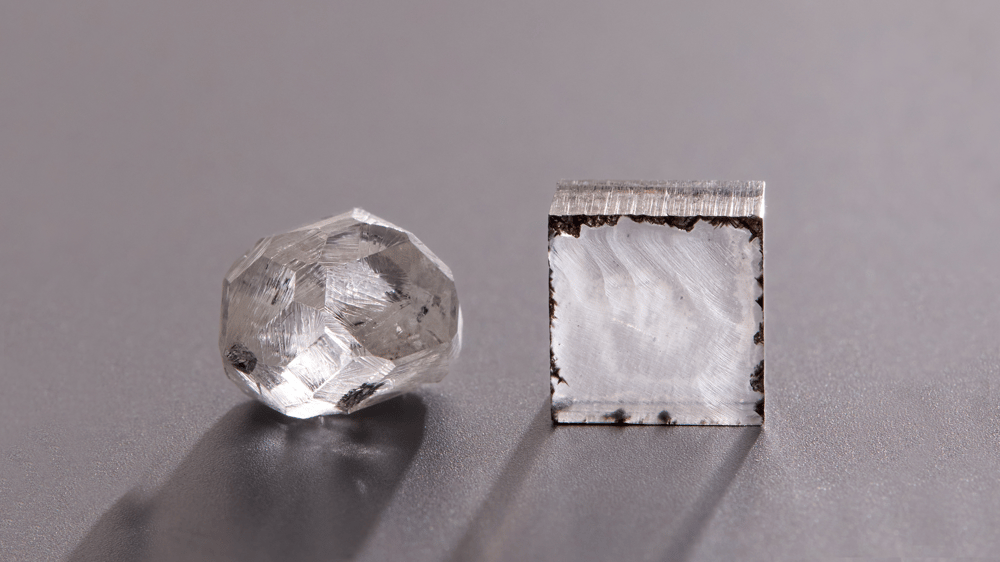
To create a CVD diamond, a small, typically lab grown diamond seed is placed in a chamber and exposed to a carbon-rich gas, such as methane. A plasma torch breaks down the gases and the resulting carbon atoms settle on the surface of the seed crystal, gradually building up a layer of diamond. A useful metaphor is when snowflakes collect on the ground and are then compressed to make snow. The result with CVD is a lab-created diamond that has "this Laboratory Grown Diamond was created by chemical vapour deposition (CVD) growth process" written on its International Gemological Institute (IGI) gem certification.
The CVD process is a popular way to create a lab grown diamond. CVD diamonds are often used in industrial applications as they can withstand high temperatures and extreme wear and tear. However, the CVD method is also increasingly being used to create gem-quality diamonds for jewellery purposes. Thanks to technological advances, these diamonds are indistinguishable from mined diamonds with the naked eye and are becoming more affordable for consumers.
High Pressure, High Temperature (hpht)
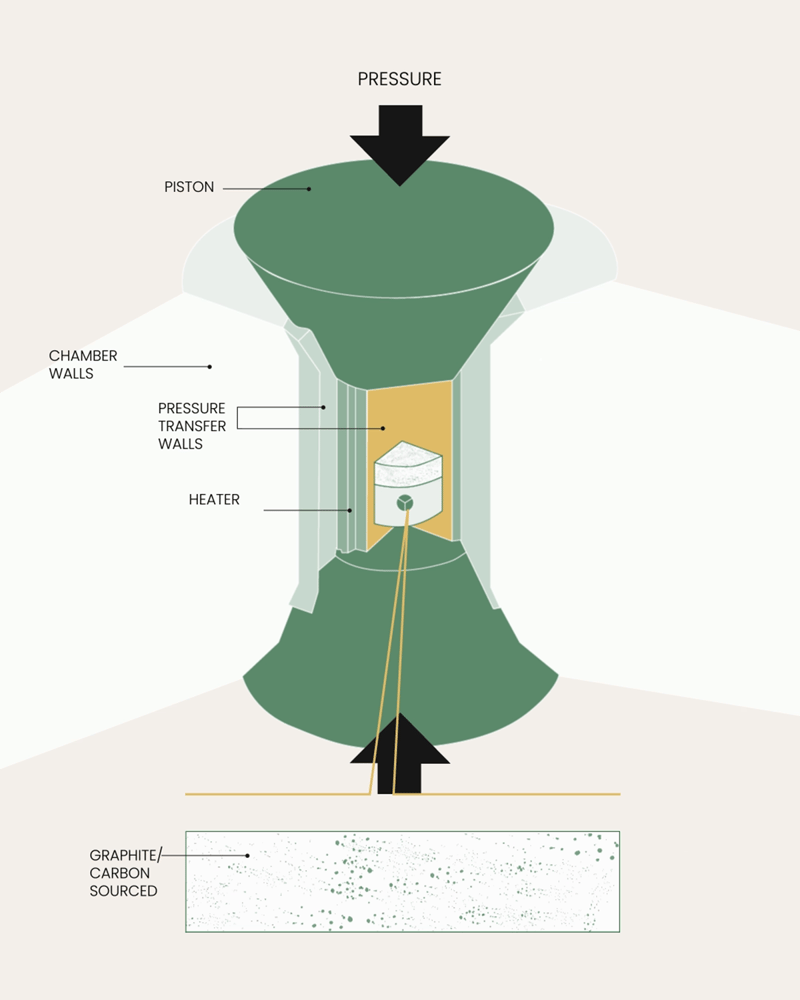
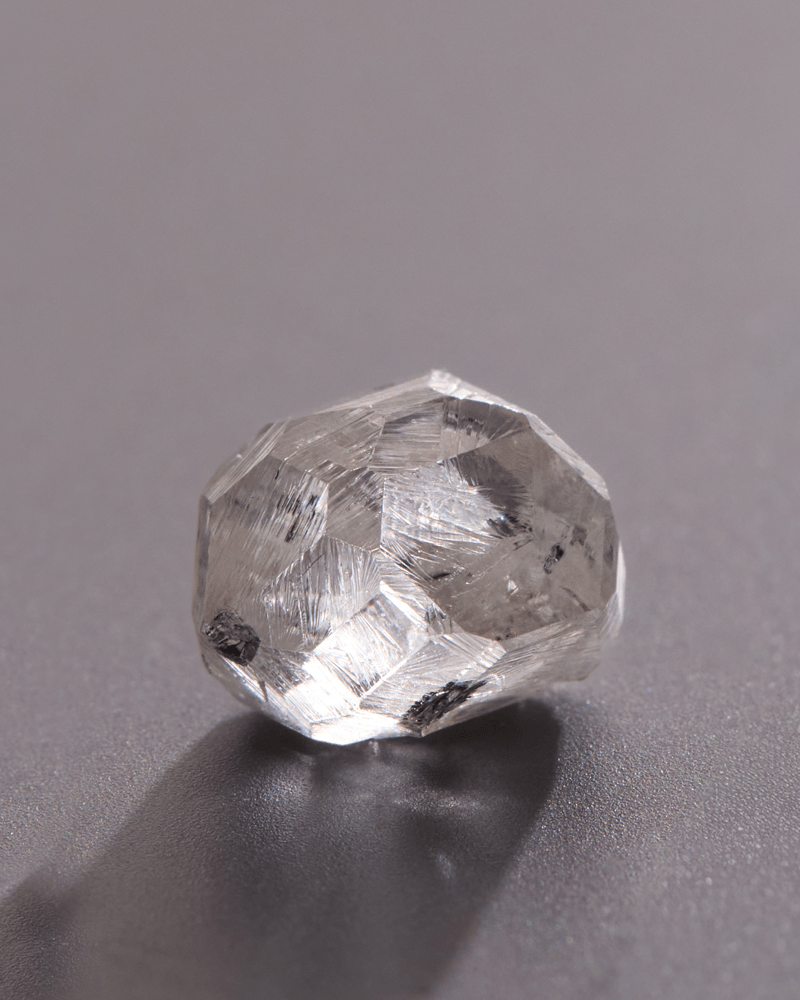
HPHT is a process that replicates the process by which a mined diamond is created deep within the Earth under exceptionally high pressure and temperature conditions. Scientists start with a small piece of pure carbon to create an HPHT diamond. This carbon is then placed inside a chamber that is subjected to extreme pressure and heat (generally around 5.0–6.5 GPa and 1300–1700°C) via one of three manufacturing methods: a belt press, cubic press, or split-sphere (BARS) press. Over time, the carbon slowly transforms into a lab grown diamond. The resulting rough diamond is then cut and polished to create a beautiful piece of jewellery. The HPHT method was first developed in the 1950s and has been used commercially since the early 21st century. While the HPHT method may sound simple, it actually requires niche expertise and expensive equipment. As a result, only a handful of companies are able to produce diamonds using this method, with CVD becoming more prominent due to how it makes the same quality diamonds but through moderate temperatures and low pressures.
How Cvd and Hpht Diamonds Compare
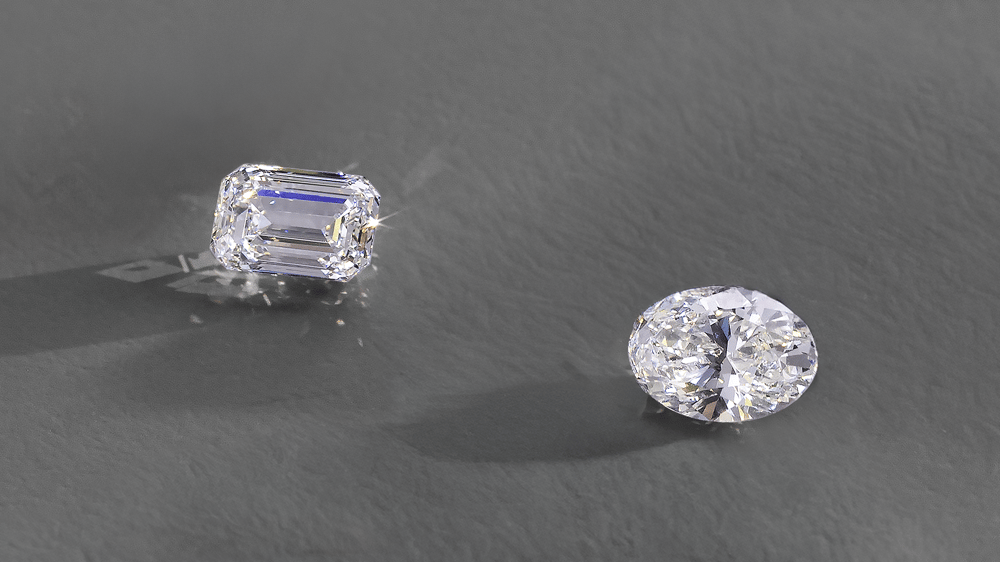
Both CVD and HPHT are effective ways to produce lab grown diamonds. In each method, carbon atoms are arranged into the same crystal structure that defines all diamonds, resulting in stones that are visually and chemically identical to mined diamonds. There are some technical differences between the processes. CVD diamonds grow from carbon gases in a chamber, while HPHT diamonds form when carbon is compressed under extreme pressure and heat. These differing environments can influence the internal growth patterns of the crystal. However, once cut and polished, diamonds created by either method are indistinguishable when they share the same colour and clarity grades.
A Modern Approach
While their origins differ, lab grown diamonds share the same brilliance, durability and optical properties as diamonds formed in the Earth. The methods used to create them simply represent two ways of guiding carbon into the same remarkable crystal structure. For those selecting a diamond for an engagement ring, the result is what matters most: a genuine diamond, carefully grown and crafted, ready to be worn and enjoyed for years to come.