Diamonds speak differently to everyone. Some are drawn to symmetry and precision; others to movement and softness. For some, it’s brilliance. For others, it’s proportion, presence, or the way a diamond catches the eye in an unexpected moment. No two preferences are quite the same – and that’s what makes choosing a diamond such a personal experience. Among the many nuances that give a diamond its individuality is the bow tie effect – a feature most often seen in elongated stone shapes.
What is a Diamond Bow Tie?
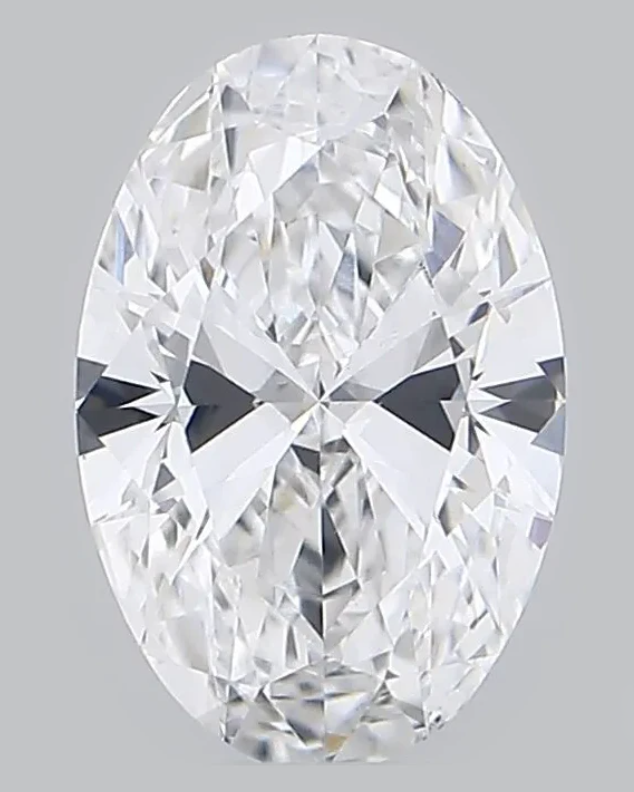
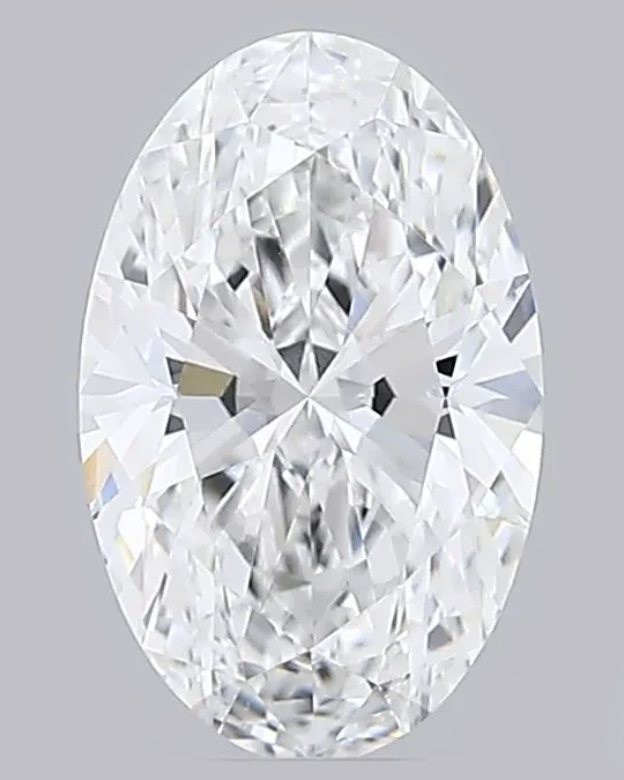
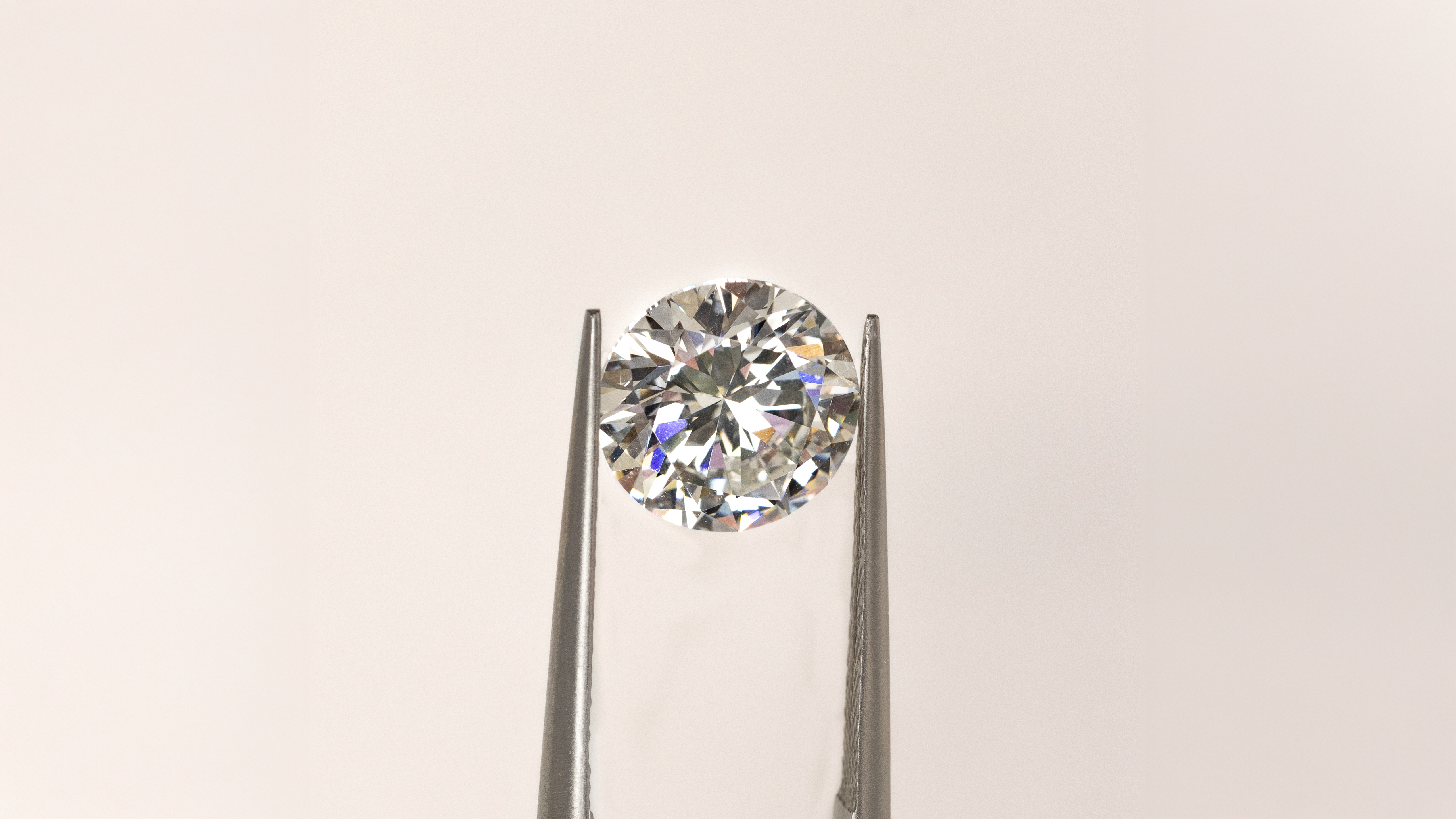
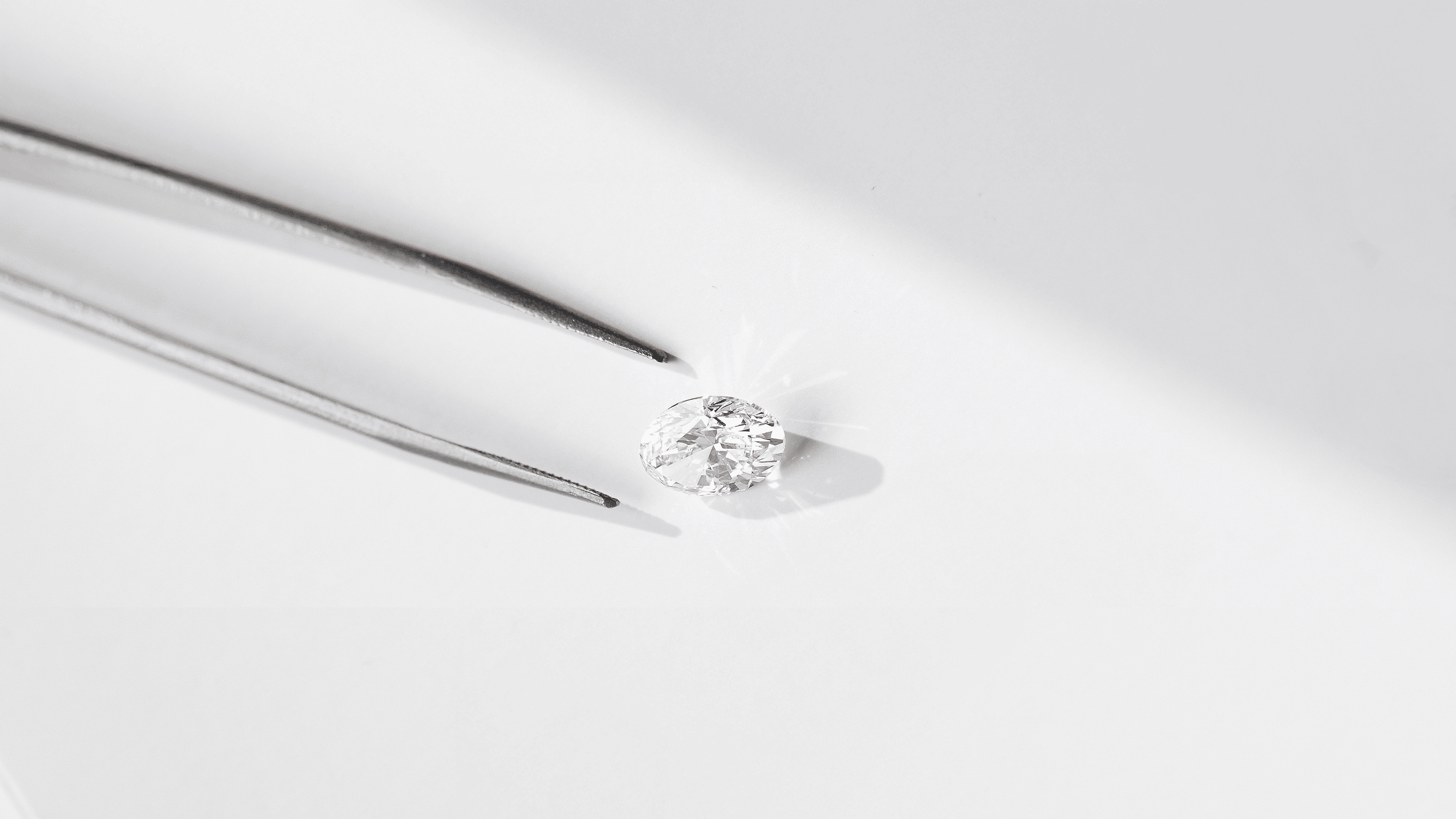
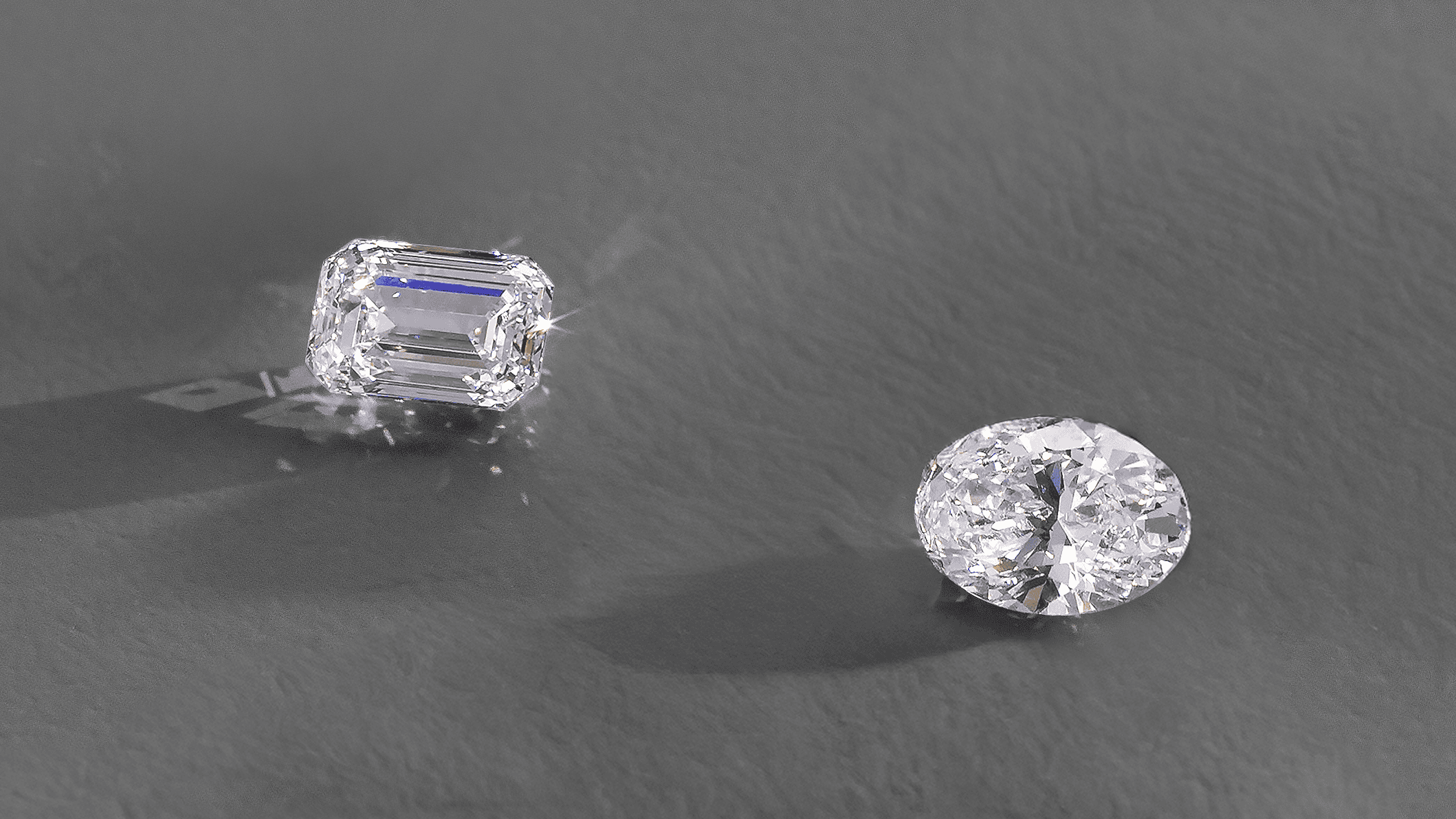
A bow tie refers to a soft, bow-shaped shadow that can appear across the centre of certain diamonds, most commonly oval and other elongated shapes. It isn’t damage, a flaw, or an indication of poor material quality. Rather, it’s the result of how light travels through a diamond’s facets, influenced by the angles and proportions of its cut. Diamonds are designed to capture and return light. In elongated shapes, achieving that balance is more complex. Because of their form, some light may escape through the lower, or pavilion, facets, creating areas of contrast through the centre of the stone. This contrast is what we recognise as the bow tie effect.
Is the Bow Tie Effect a Bad Thing?
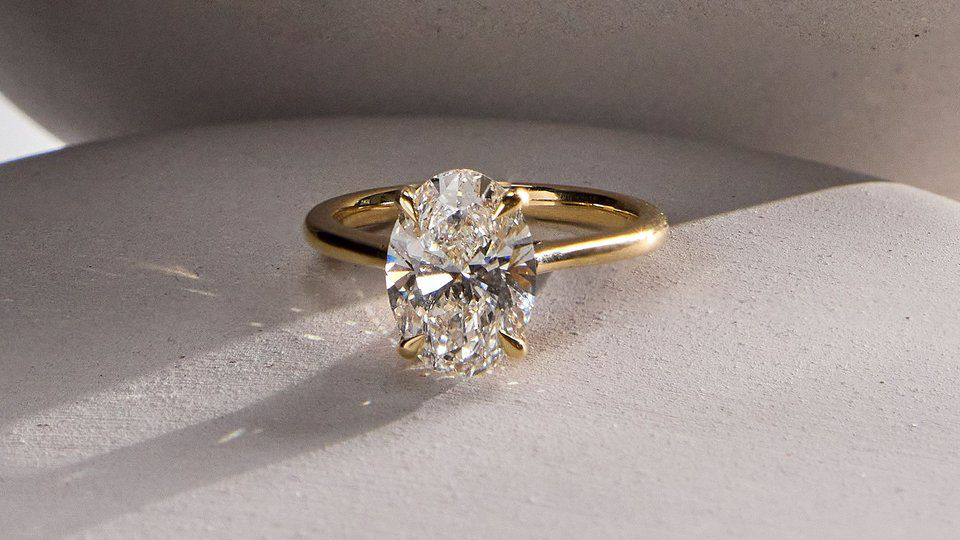
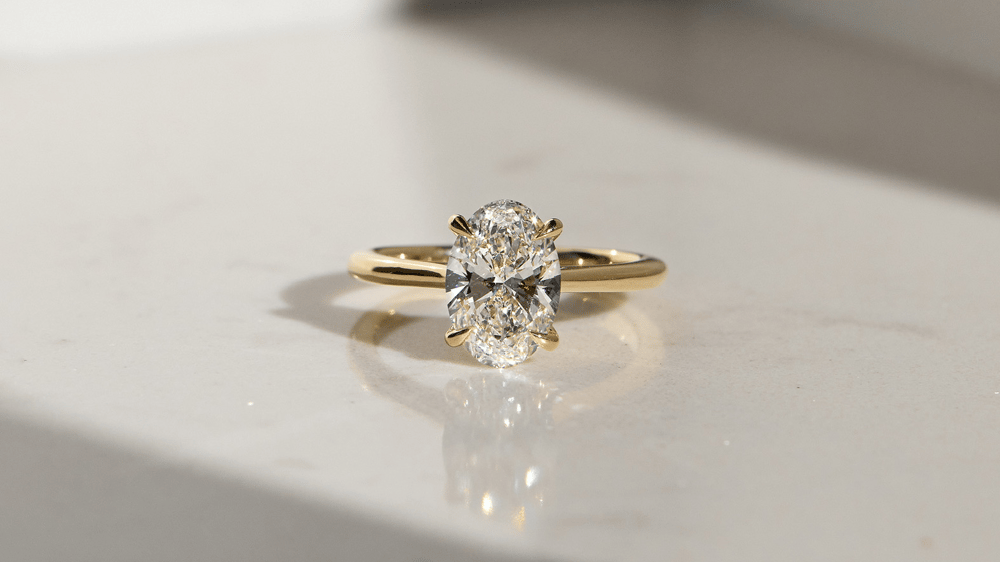
Bow ties exist on a spectrum. A dark bow tie can appear distracting, drawing the eye away from a diamond’s brilliance, shine, and sparkle. On the other hand, a subtle bow tie can create a beautiful, eye-catching effect. When soft and well balanced, it can add dimension, enhance depth, and even make a diamond appear larger. In oval diamonds especially, a faint bow tie can emphasise the elongated silhouette that makes the cut so enduringly appealing.
Oval Diamonds and Other Shapes That Show a Bow Tie
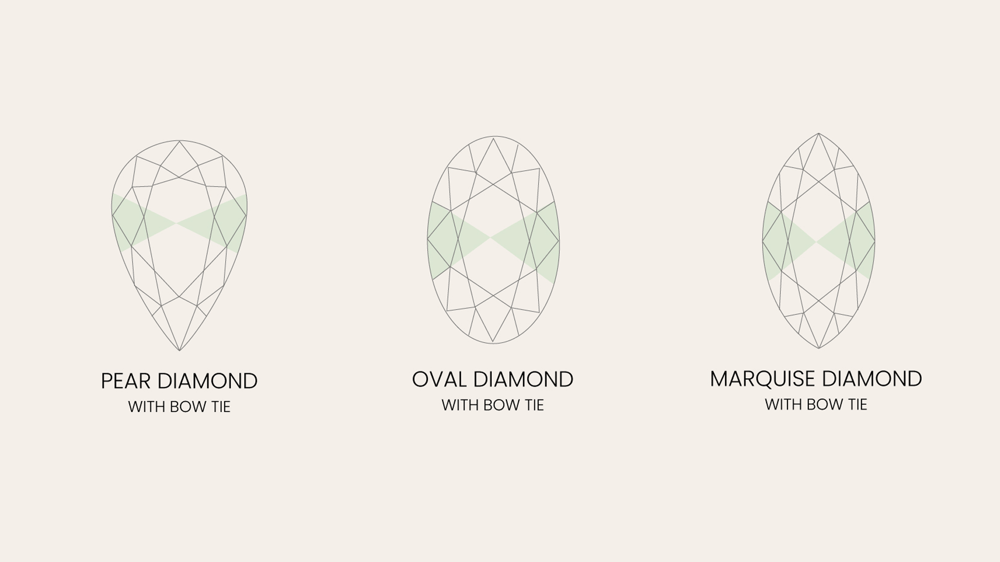
Oval diamonds are among the most loved engagement ring shapes, admired for their elegant proportions and timelessness. With that elongated form comes a distinctive interaction with light – and often, some degree of bow tie effect. Because the pavilion facets must support the length of the stone, light return is more complex, resulting in a soft area of contrast through the centre. When an oval diamond is cut with care, this contrast remains subtle. Rather than distracting from the stone, a faint bow tie can enhance depth and highlight the oval’s graceful outline, giving the diamond a sense of character. Ovals aren’t alone in this. Other elongated shapes – including pear and marquise cuts – can also display a bow tie effect for the same geometric reasons. Round brilliant diamonds, by contrast, tend to show the least contrast through the centre due to their symmetry and even light distribution.
Does a Bow Tie Affect a Diamond’s Value?
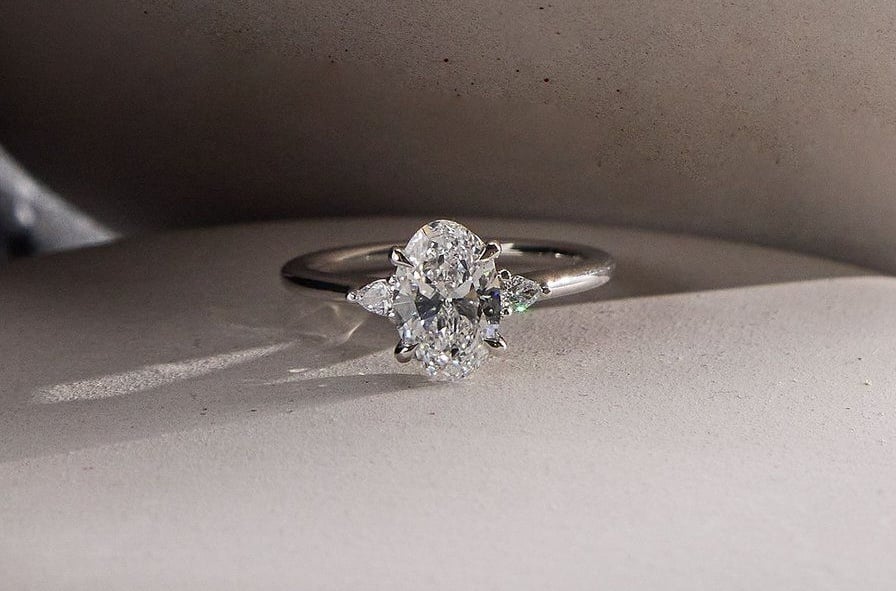
Bow ties are not included in a diamond’s grading report. They aren’t assessed within the 4Cs – cut, colour, clarity, and carat weight – and they won’t appear on a certificate. A faint bow tie does not automatically reduce a diamond’s value. Only when the bow tie is dark, dominant, or visually distracting might it influence how the stone is perceived. Even then, it’s a matter of balance rather than an absolute measure of quality. What matters most is how the diamond performs as a whole – its light return, symmetry, and overall presence.
What to Look for During a Ring Appointment
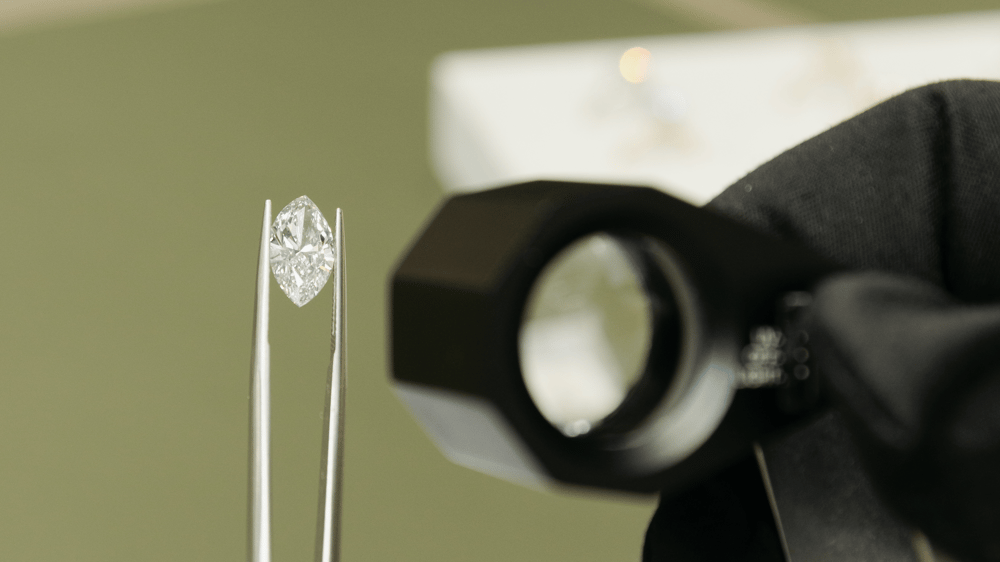
Seeing a diamond in person offers clarity that no report can provide. Take time to observe it under different lighting conditions, including away from spotlights, where areas of contrast become easier to read. Compare stones side by side, trust your eye, and ask questions along the way. At its best, choosing a diamond isn’t about eliminating every nuance. It’s about understanding how those nuances come together. The bow tie effect is simply one expression of light at work – and when balanced well, it can be part of what makes a diamond quietly compelling. Remember — a bow tie is not accounted for in the diamond grading system, nor will it be listed on a diamond’s certificate. So, identifying a diamond bow tie will be up to you — and a trusted jeweller.